
Feedback from the 11th International Workshop on Grapevine Trunk Diseases
Lizel Mostert and Francois Halleen
· 11 min read
The 11th International Workshop on Grapevine Trunk Diseases (IWGTD) was held in Penticton, British Columbia, Canada. This workshop hallmarked 20 years of research on grapevine trunk diseases after the first meeting was held in Siena, Italy. This past meeting was attended by 150 delegates from 21 countries. With this article we would like to provide feedback to the wine industry as to the latest information regarding the disease cycles and management of grapevine trunk diseases.
Grape growing in British Columbia (BC)
The wine grape growing area in BC is in comparison with other production areas not large with 4 249 hectares. As of the start of this year, there are 280 registered wineries within BC. The BC wine industry contributed 2.2 billion Canadian$ to the national economy in 2015. The BC wineries attract more than 1 million visitors each year. The most planted red grapes include: Merlot, Pinot Noir, Cabernet Sauvignon, Cabernet Franc and Shiraz. The most planted white grapes are: Pinot Gris, Chardonnay, Gewürztraminer, Riesling, Sauvignon blanc, Pinot blanc and Viognier.
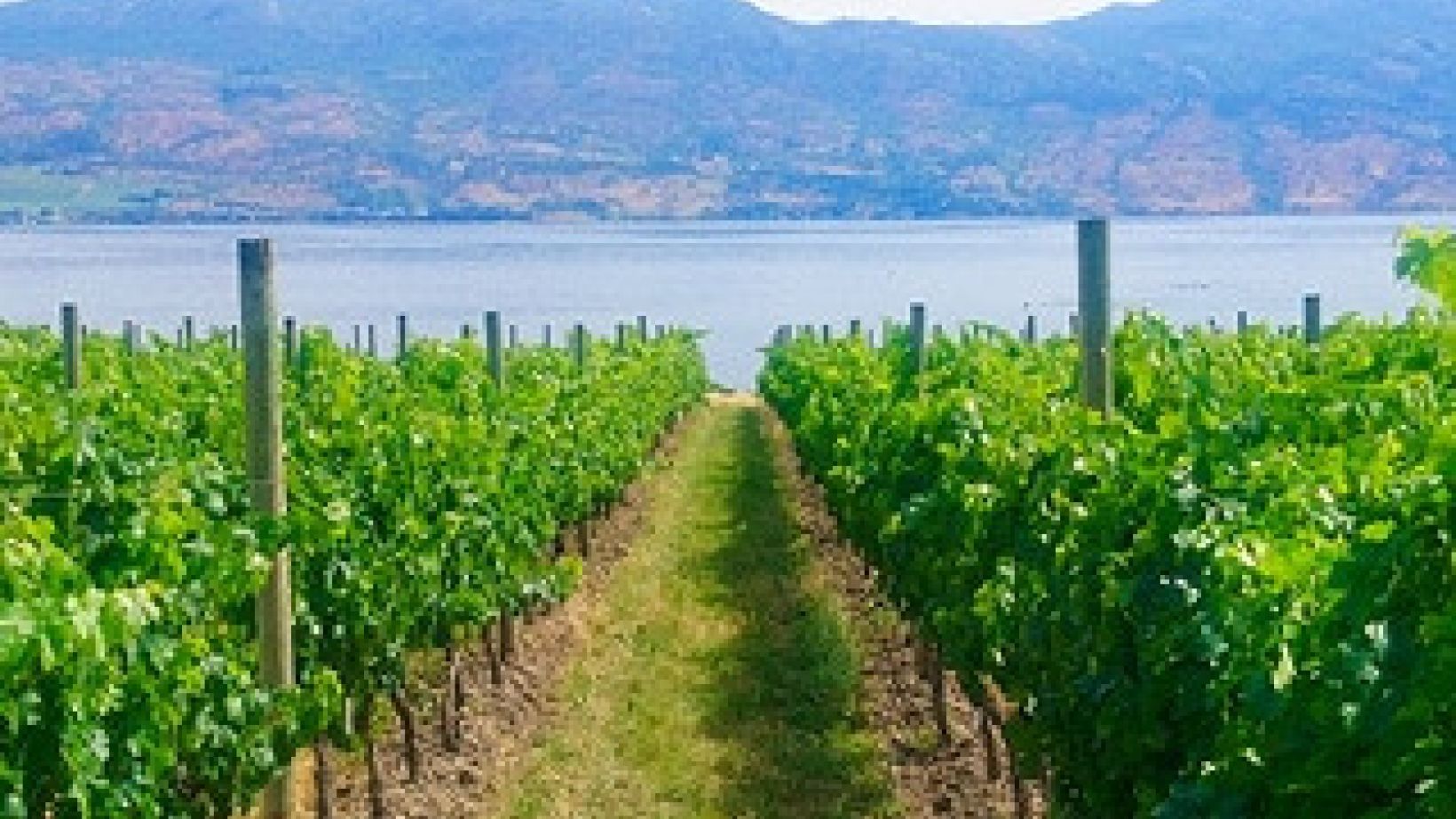
Most of the vineyards are planted in close proximity to the lakes, which are stretched out over the Okanagan Valley (Photo 1). Even though situated so far north, the climate is not very cool during the growing season, but is characterised by short, hot growing seasons with semi-desert conditions. The unique climate makes for wines that have bright natural acidity along with ripe fruit, with pure and intense flavours. The cold winter temperatures, which can go below -20°C, can cause damage to the vines and care needs to be taken as to where vineyards are planted, not to be exposed to freeze damage. The latter could harm bud break and even cause vines to crack. This is usually a problem when cold snaps occur during late fall when the vines are not yet fully dormant.
PHOTO 1. The vineyards in the Okanagan Valley is situated on the banks of the Okanagan Lake.
Field trips
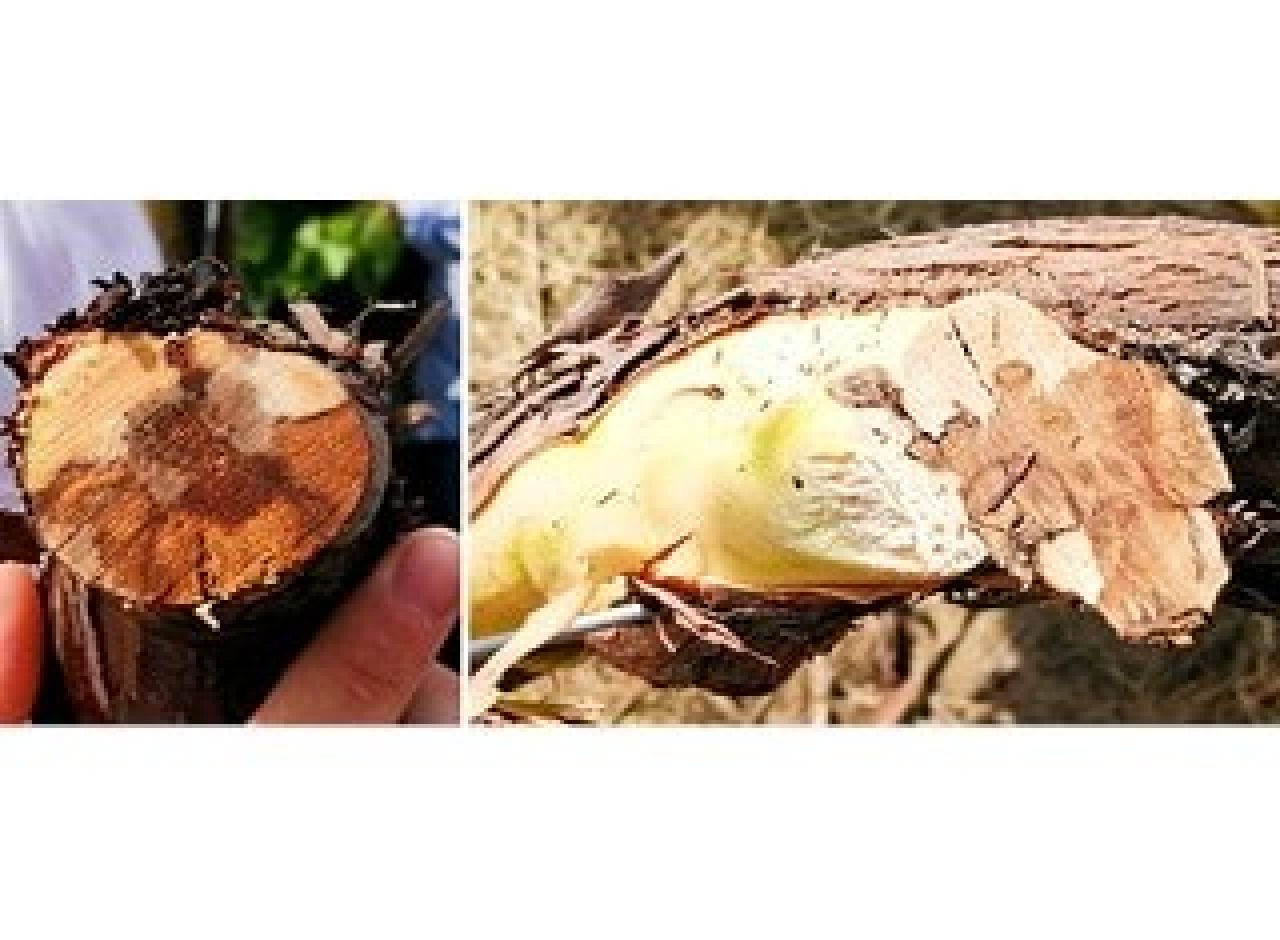
Two field trips were undertaken. The first trip to a well-known estate in West Kelowna (half day tour) was very informative, because this was the place where the first grapevine trunk disease infections and serious problems were encountered. Symptom expression in this area, to some extent, is different from most other grape growing areas of the world. External symptoms include stunted shoot growth, compared to otherwise very healthy and vigorous growth observed in healthy plants. These symptoms are not typical of esca (only 0.2% of plants in a survey showed foliar symptoms) and Eutypa dieback (rarely seen). Cross-sections through arms and trunks of diseased vines showed internal brown necrosis (in a central position or v-shaped) (Photo 2) together with black vascular occlusions. The most common pathogens isolated from such plants include members of the Diatrypaceae (including Eutypa lata and several other species associated with Eutypa dieback or “tandpyn”), Botryosphaeriaceae (associated with Bot dieback and canker), Diaporthaceae (mainly Diaporthe ampelina, associated with Phomopsis cane and leaf spot and Phomopsis dieback), Phaeoacremonium minimum and Phaeomoniella chlamydospora (Petri disease and esca). Black foot pathogens are also common in the area. The second field trip (full day) to South Okanagan Valley included visits to Blue Mountain Okanagan Falls Region (Photo 3) and an estate located high on top of the Hawthorne Mountain in Okanagan Falls (Photo 4), one of the highest elevated vineyards in the Okanagan. Again, the external symptoms were dominated by stunted shoot growth and cross-sections through arms and trunks of diseased vines showed internal brown necrosis (Photo 5), black-brown vascular occlusions and prominent cankers running down the trunk from large pruning wounds. Farmers in the Okanagan Valley were not familiar with trunk diseases until very recently (last 10 years). Although wine production in the Okanagan dates back to the 1850’s, prohibition in Canada wiped out many of the Okanagan’s earliest wineries and the commercial wine industry in the area was not revived until the 1930’s. From this time through the mid-1970’s, the Okanagan wine industry was based entirely on the production of fruit wines (berries, apples, cherries and even table grapes) and those produced from hybrid grapes. It was only in the late 1980’s, when Canada entered into the North American Free Trade Agreement and opened up Canadian markets to American wine imports, that competition from imported wines spurred the Canadian government to implement a vine pulling scheme with grants for growers who uprooted their hybrid and Vitis labrusca vines and replaced them with Vitis vinifera. Due to the lack of trunk disease knowledge and failure to prepare for replanting strategies, most Okanagan producers are forced to follow a cut and retrain approach (i.e. vine reconstruction) (Photo 6). By doing this, producers are able to gradually re-work vineyards, spread their short-term losses and relatively quickly (within two to three years) stabilise production in order for them to organise re-planting strategies. Reconstructed vineyards usually provide an extension to the productive lifespan of vineyards, but usually only for a limited period. Several such vineyards were visited and although most of these vines are still infected, their lifespan has been increased to such an extent that producers can make the re-plant arrangement and still produce grapes. Infected vines all show internal brown necrosis and black-brown vascular occlusions.
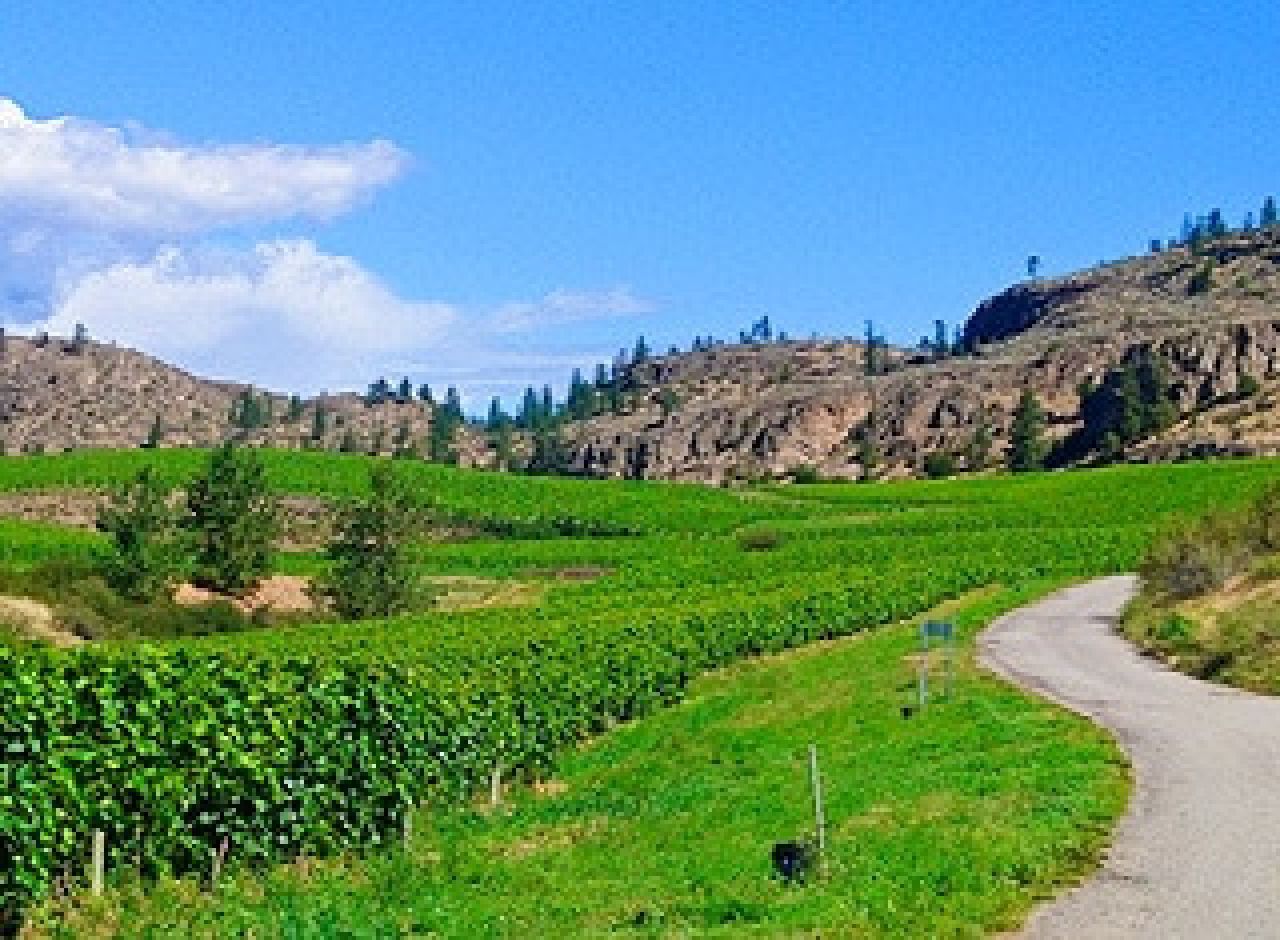
PHOTO 3. Vineyards in the Blue Mountain Okanagan Falls Region.
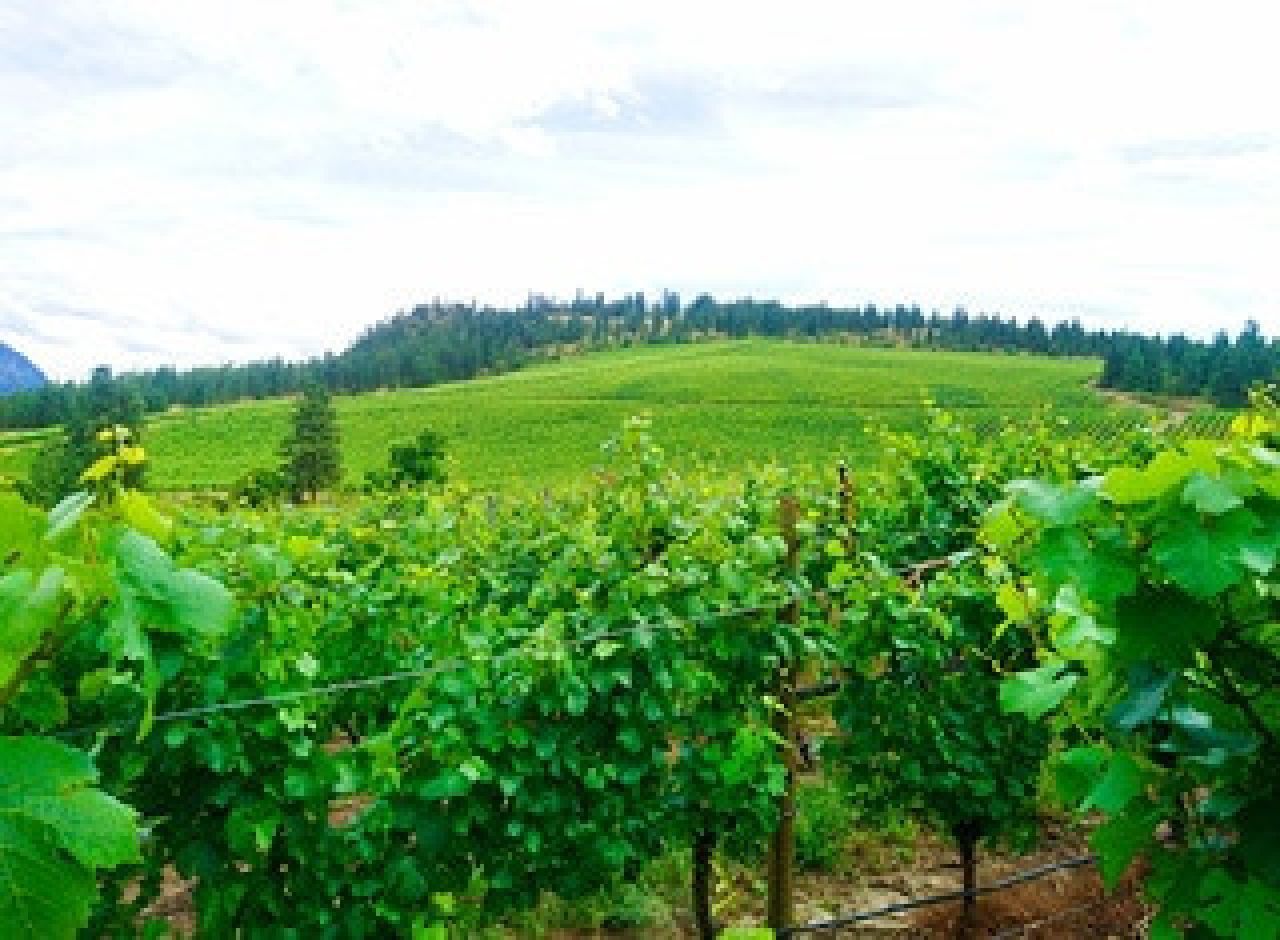
PHOTO 4. Vineyards located on slopes of Hawthorne Mountain in Okanagan Falls.
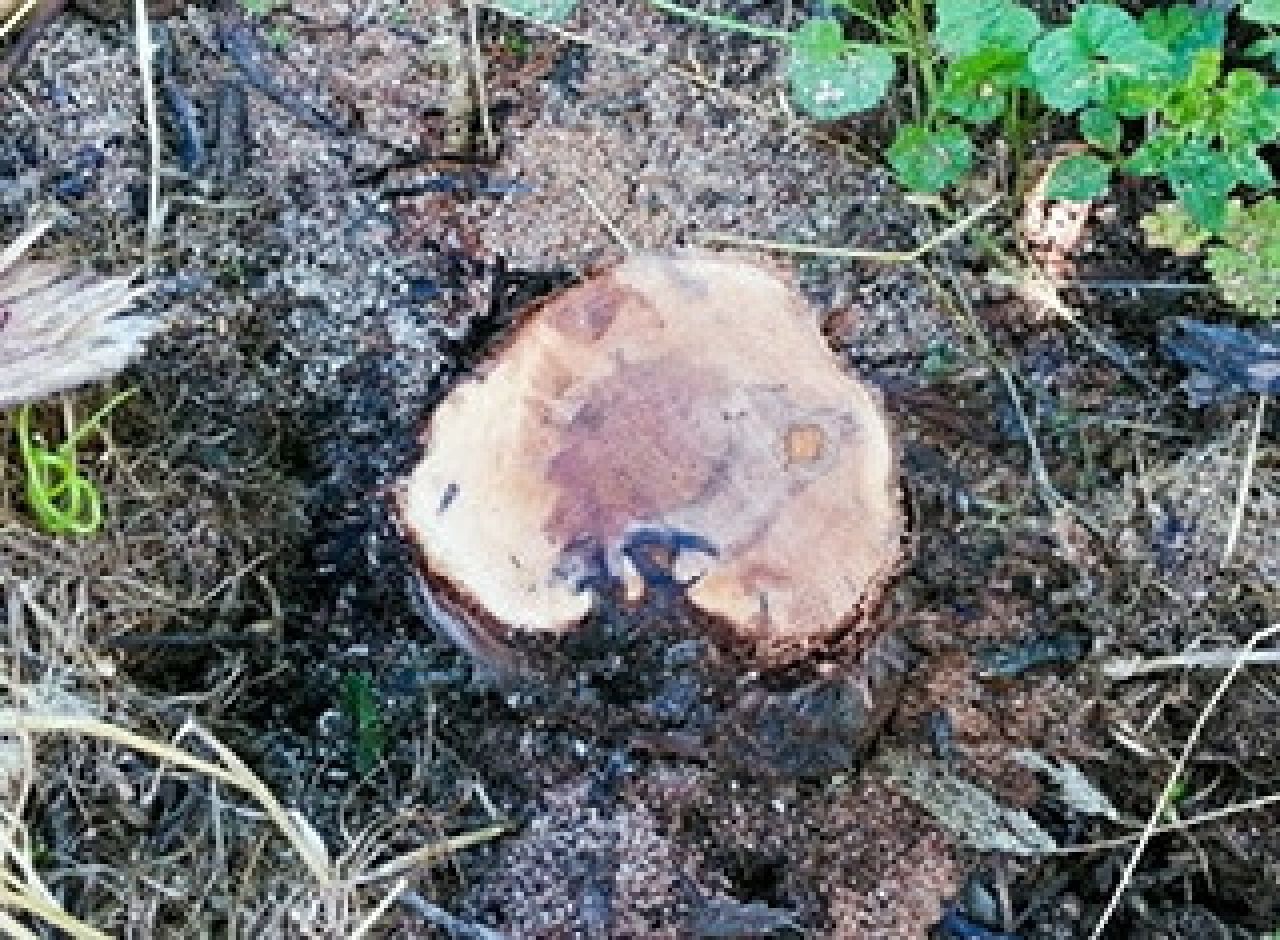
PHOTO 5. Brown discoloured xylem tissue due to trunk diseases present at the base of the trunk.
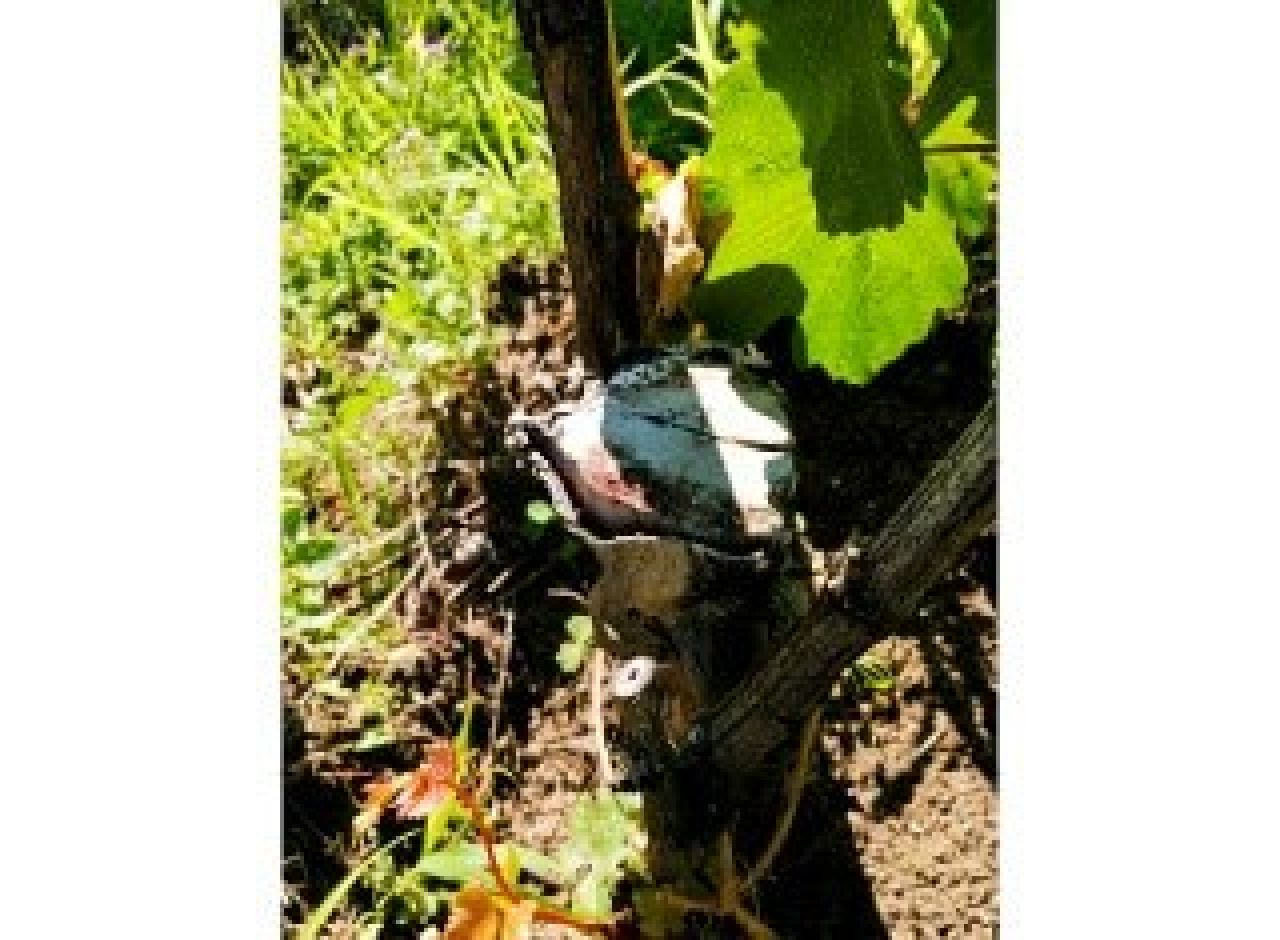
PHOTO 6. A 25-year-old Chardonnay vineyard that was retrained after remedial pruning.
Highlights from the scientific program
Getting a better understanding of trunk diseases life cycles
Various studies investigated spore dispersal patterns of the major trunk diseases in their region. The identification of conditions that favour spore release and consequent infection periods is important in developing control measures. In Australia, Eutypa dieback and Botryosphaeria dieback pathogens were monitored in four wine growing regions over three years. The results showed that the spore dispersal was sporadic and varied between regions, season and year. In South Australia, spores were primarily detected in late winter and early spring, while in New South Wales, a high number of spores were trapped over summer. Spores were generally recorded during or immediately after rain, but not all rain events resulted in spore detection. In British Columbia, the spore dispersal of Botryosphaeria dieback was followed in the Okanagan Valley over two years. The first spore release was detected at the end of winter (when daily temperatures raised above zero to 5°C or higher) and was often correlated with rainfall, though not always.
The saprophytic colonisation of Neofusicoccum species of grapevine bark was investigated by a group in New Zealand. They found that Neofusicoccum species remained latent in the bark, when the cane was wounded, the pathogen progressed towards the wound. Also they could observe, with microscopic images, the pathogen entering through a lenticel (no wounding). This shows that Botryosphaeriaceae pathogens don’t need a wound to be able to infect.
The role of clean rootstocks was confirmed with various studies. In Uruguay, rootstock mother plants were analysed for the occurrence of trunk disease pathogens. Of five different rootstock varieties investigated (SO4, Gravesac, Paulsen 1103, 3309 Couderc and RR101-14), the infection levels ranged from 6 to 38% close to the base of the cane and 4 to 18% on the upper part of the cane.
The occurrence of the Botryosphaeriaceae on grapevine and alternative hosts and possible implications were presented from our own research. The study concluded that 22 woody hosts in close proximity to Western Cape vineyards harboured Botryosphaeriaceae species. In total, more than 20 Botryosphaeriaceae species occurred on these hosts of which 15 were also found on grapevine. One of these species, Neofusicoccum stellenboschiana, frequently occurred on grapevine, as well as many of the other woody hosts. A population genetic study showed that identical genotypes were found on grapevine, as well as these alternative hosts, which support the notion that these hosts act as inoculum sources.
Disease management
An economic assessment of the potential gains from adopting preventative pruning practices and vine surgery was conducted in California vineyards. They found that preventative practices (like pruning wound protection) adopted early (≤5 years old) and vine surgery adopted in mature vineyards (>10 years old) significantly reduced yield losses, raised revenue and extended vineyard profitable lifespan. The adoption of preventative practices in year 10 had very little economic value. They recommended preventative practices in young vineyards and vine surgery after symptoms appear in approximately 20% of vines of before year 15.
New developments in terms of host resistance were also reported at the workshop. A study in Nebraska, USA, examined 25 20-year-old hybrid grapevine cultivars for the occurrence of trunk disease symptoms. Two cultivars, ‘Norton’ and ‘Brianna’, showed less symptoms and would have potential as tolerant to trunk diseases. ‘Norton’s’ ancestry in Vitis aestivalis was speculated as contributing to this tolerance. A double grafted vine was proposed by a research group from Colmar. Above the rootstock, a more tolerant interstem vine is grafted using for example Vitis sylvestris and then on top of this, the Vitis vinifera scion cultivar. Grafting trials that have been done, seem to hold promise.
Several presentations and posters were presented on the use of biocontrol organisms for the control of GTDs. In the nursery context, several contributions were made. In Spain, Streptomyces, Pythium oligandrum and Trichoderma atroviride were applied by soaking of one-year-old dormant grafted plants for 24 hours and applying two additional drenches with drip irrigation. They found significantly reduced fungal incidence of both black foot and Petri disease pathogens. However, there was no effect on shoot weight and root weight were significantly lower in all BCA treatments in comparison to the control. In Italy, products of T. asperellum and T. gamsii were applied at hydration, planting and additional three drenches in the field. These treatments reduced the occurrence of P. chlamydospora up to 70%. In another study in Italy, Trichoderma atroviride SC1 was applied during the nursery process and they found that application during the rehydration stage was best to reduce fungal infections. Also, that application to the basal callus followed by soil drenching improved root quality and increased the number of certifiable vines. In British Columbia, novel Trichoderma isolates were collected in the field and screened for their potential to protect pruning wounds challenged with D. seriata and N. parvum conidia. Treatment combinations of the best three Trichoderma isolates reduced pathogen re-isolations by 100% from 1 day to 21 days after pathogen application. This indicates the time needed for the biocontrol agent to establish on the wound.
In an overview management presentation by Dr Mark Sosnowski, he referred to the ‘Best practice management guide’ that can be sourced from the Wine Australia website (www.wineaustralia.com). This updated guide provides valuable management information to best manage trunk diseases. In Australia, the two major trunk diseases are Eutypa dieback and Botryosphaeria dieback. In this guide, a method is described as to how dieback can be visually monitored, as well as a decision tree as to how to go about deciding on retraining vines. A practical guide is also provided to execute remedial pruning. Several pruning wound products have been registered in Australia, including fungicides that can be applied by spray application. This provides growers with a choice of products that can be used. In South Africa, there needs to be a greater effort from producers and industry that will motivate chemical companies to execute registration trials with prospective products.
From our own research, we presented our latest findings on the use of Trichoderma atroviride in nurseries for the management of black foot disease. Different application methods and also different products were tested over a two-year period. Applying Trichoderma atroviride as a dry product on wet bases of callused vines before planting, gave the best establishment of this biocontrol fungus on the bases of the vines assessed after eight months. Also, a fluorescent isolate of Trichoderma atroviride was developed, which can be used in the laboratory on potted vines. This will help our understanding of the infection and growth of the biocontrol fungus in the vine.
In general, the workshop provided a platform to communicate the latest findings with regard to trunk diseases on grapevines world-wide. The wealth of knowledge gained will aid our local efforts to study and develop effective management strategies for trunk diseases on grapevine.
– For more information, contact Lizel Mostert at [email protected] or Francois Halleen at [email protected].

More from
Innovation and insights

Packaging under pressure: What wine businesses should be watching
From lighter bottles to automated packing lines, packaging decisions are becoming increasingly important to the cost and competitiveness of South African wine.
How vine water stress shapes grape and wine quality
This study formed part of the South Africa Wine programme “Grapevine production with limited water resources”, and aimed to evaluate how spatial and temporal water stress affects vine physiology, fruit composition and wine quality.
Drought tolerance of different scion cultivars (Part 4): Vegetative growth and yield
The study aimed to assess grapevine vegetative and yield responses in an almost worst-case scenario, i.e. grapevines growing under dryland conditions in sandy loam soil in the Swartland region.