
Groot Constantia harnesses people-power to go solar with Sun Exchange
Groot Constantia has partnered with Sun Exchange, an innovative solar leasing platform, to harness the power of community and go solar.
· 4 min read
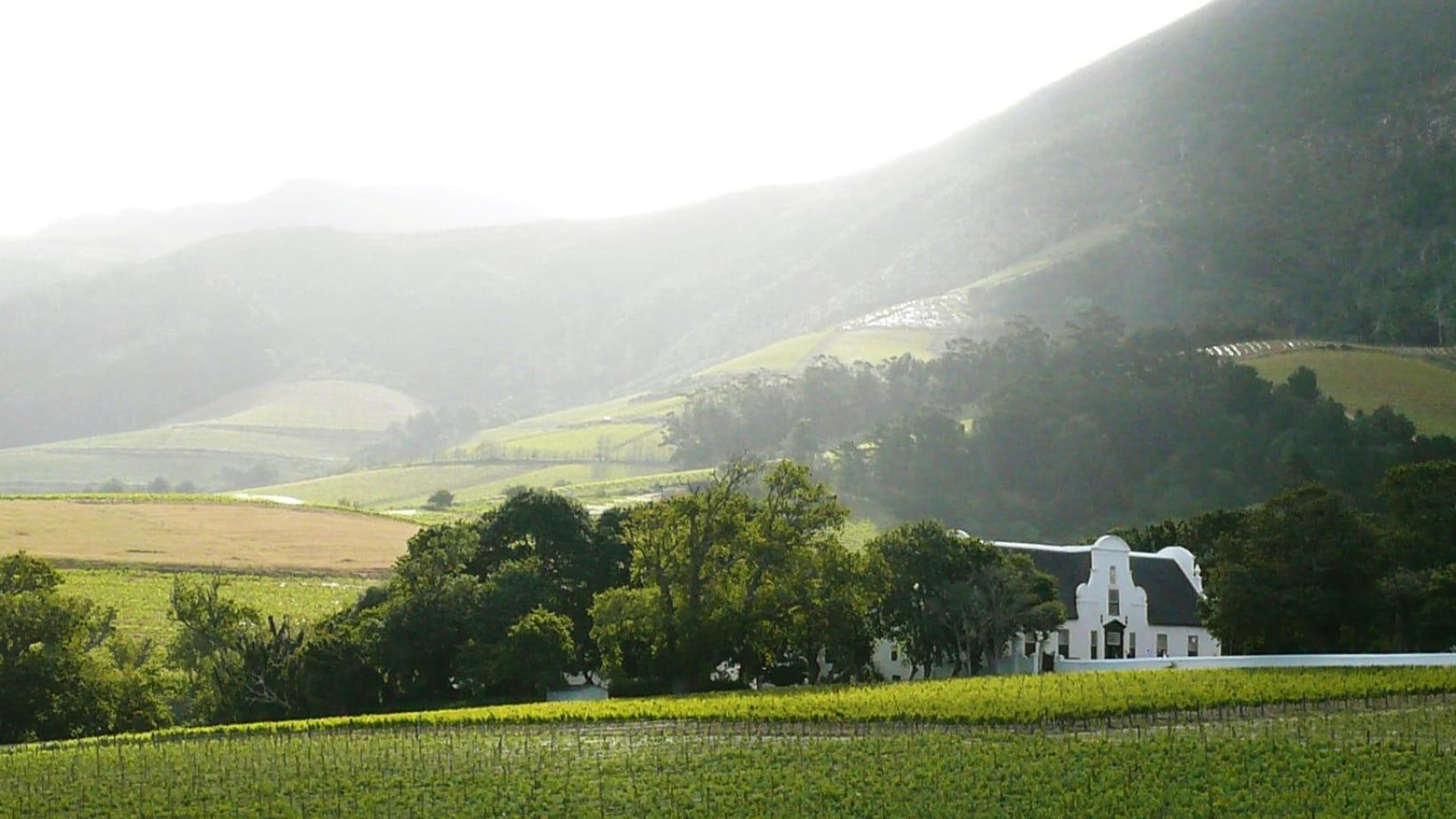
Groot Constantia, South Africa’s oldest wine-producing farm and a world-renowned tourist destination, has partnered with Sun Exchange, an innovative solar leasing platform, to harness the power of community and go solar.
A crowdsale for a 165 kilowatt (kW) solar plant to power Groot Constantia’s winemaking facilities and restaurants is now being hosted on the Sun Exchange platform. Through this crowdsale, people across South Africa and the globe can easily buy solar cells for R64.00 per cell, which will be installed in the solar plant that will power Groot Constantia.
Once the 43,448 available solar cells are sold, the solar plant is built and starts generating electricity. Via the Sun Exchange platform, Groot Constantia will pay solar cell owners for the clean energy they produce for 20 years. The solar project crowdsale will run throughout the month of July until all solar cells sell out.
The Sun Exchange model enables Groot Constantia to access solar power at a rate lower than standard utility rates, while solar cell owners earn a stream of solar-powered income and support the estate’s transition to clean energy. The solar plant will help avoid an estimated 4 700 tonnes of carbon emissions in its lifetime.
“For centuries, Groot Constantia has been a place where people from across South Africa and the world come together to enjoy great wine and South Africa’s heritage and natural beauty. Now, we’re looking to the future and working with Sun Exchange to bring together a global community to be part of our solar project. This enables us to protect and conserve that heritage and natural beauty,” says Groot Constantia CEO Jean Naudé.
Groot Constantia is committed to conserving the environment in which it operates, and on which it relies, and has a long history of implementing initiatives to ensure it does no harm through its farming practices.
The estate has invested significant time and resources on refining responsible production practices by spearheading innovations in water, energy efficiency and climate adaptation and integrated environmental management systems. Its transition to solar power is the next step in its commitment to conservation.
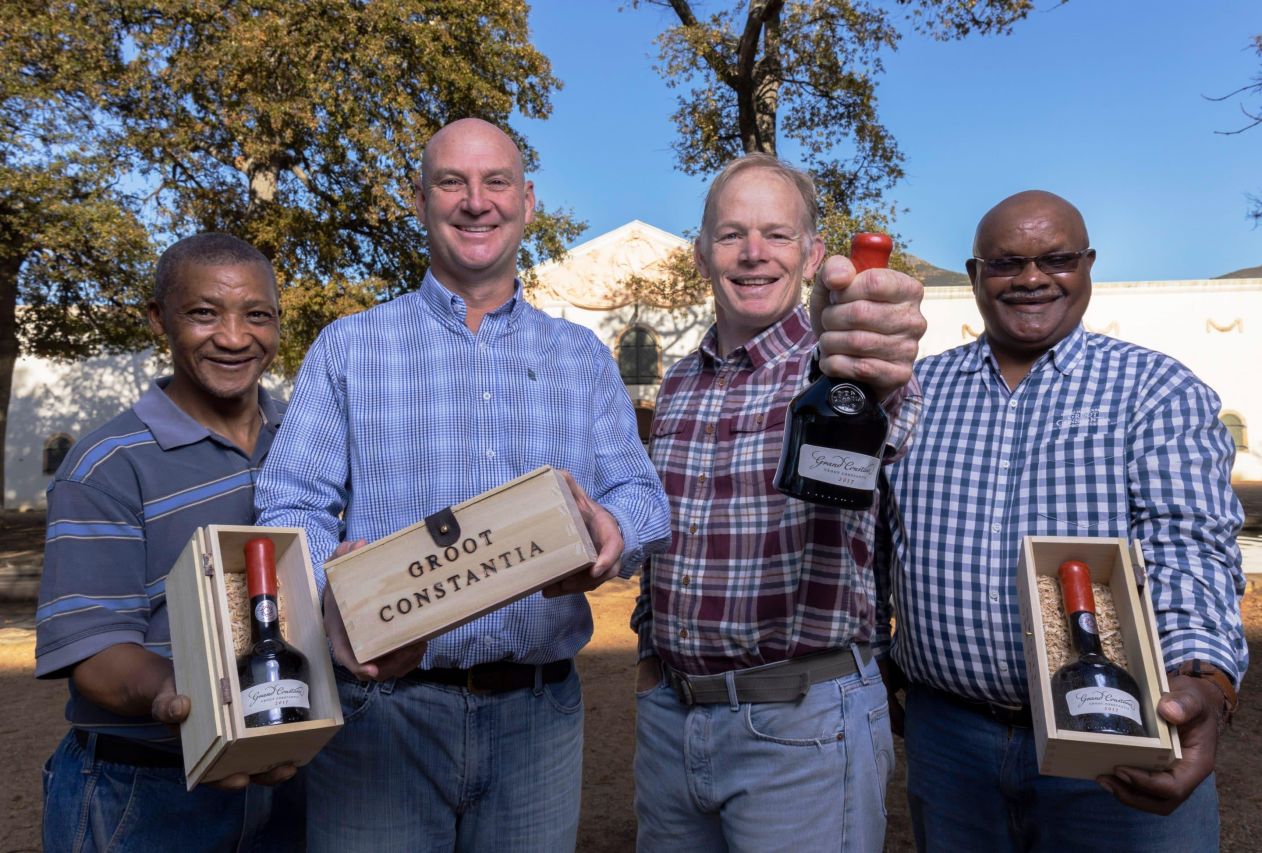
“Groot Constantia is a cultural and historical icon and an environmental leader. We’re honoured to have Sun Exchange and our global community be part of their solar power journey. This project will set a precedent across South Africa’s wine and tourism industries, demonstrating that transitioning away from fossil fuels is the best decision not only from a climate perspective, but also financially,” says Sun Exchange CEO Abraham Cambridge.
Since its founding in 2015, Sun Exchange has enabled solar power for more than 60 businesses, farms, schools and other organisations in Southern Africa. Its solar projects have generated more than 12 Gigawatt-hours of clean energy, avoiding more than 12 000 tonnes of carbon emissions.
Thousands of people from 180 countries across the world use the Sun Exchange platform to buy and own solar cells, produce clean electricity and earn with purpose. The Sun Exchange vision is a world where all people and organisations can harness affordable clean energy to ensure a healthy planet for future generations.
WATCH: Groot Constantia
ALSO READ: Groot Constantia’s iconic Grand Constance brings home gold for South Africa
South African sweet wines were proudly represented on the international stage recently – winning one of only three coveted Gold Awards issued globally for sweet wines at the 2018 Decanter Asia Wine Awards.
Groot Constantia’s iconic Grand Constance was the only South African sweet wine to bring home Gold in the Sweet Wine category.
The Groot Constantia Grand Constance 2015 scored an impressive 95 points at the Decanter Asia Wine Awards (DAWA) 2018 – Asia’s leading wine competition. DAWA see more than 50 expert judges, including Masters of Wine and leading palates in the Asia region, gathered in Hong Kong to blind taste 3,138 wines.

More from
Innovation and insights
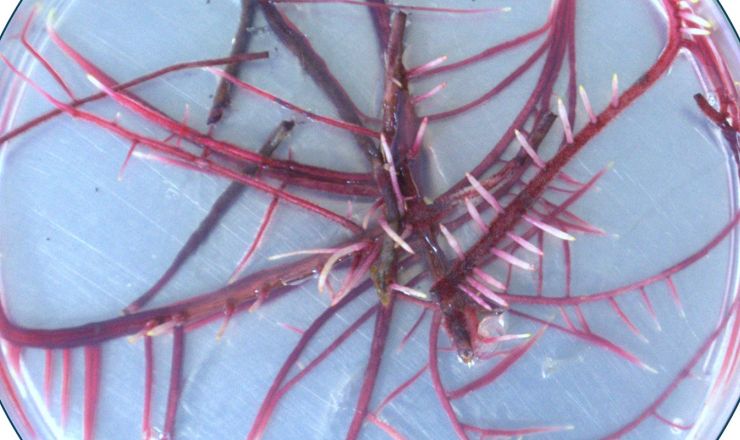
Hairy roots - a biotechnological tool for grapevine improvement
Hairy roots arise when the phytopathogenic bacterium, Rhizobium rhizogenes inserts DNA into a wounded plant’s genome, triggering the formation of rapidly growing root masses. The rapid growth and relatively fast establishment of hairy roots led to their use in laboratories, where they are used to…
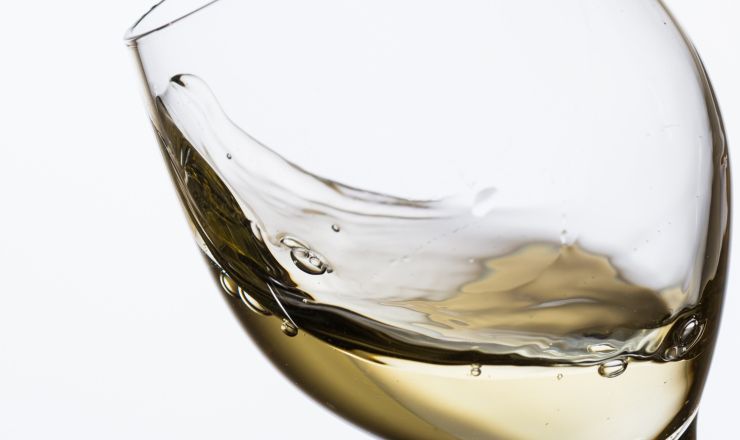
To swirl or not to swirl? - that is the question... (Part 2)
This study investigated the sensory suppression effects of H2S on tropical fruit characters and evaluated whether the perceived improvement following swirling is a result of chemical oxidation or physical volatilisation.

Q&A with Jose Luis Aleixandre-Tudo
Jose Luis Aleixandre-Tudo is an Associate Professor in the Department of Food Technology at the Universitat Politècnica de València, Spain, and an Extraordinary Senior Lecturer in the Department of Viticulture and Oenology at Stellenbosch University, South Africa.