
Lebone Paarl labels: The digital label decision
· 4 min read
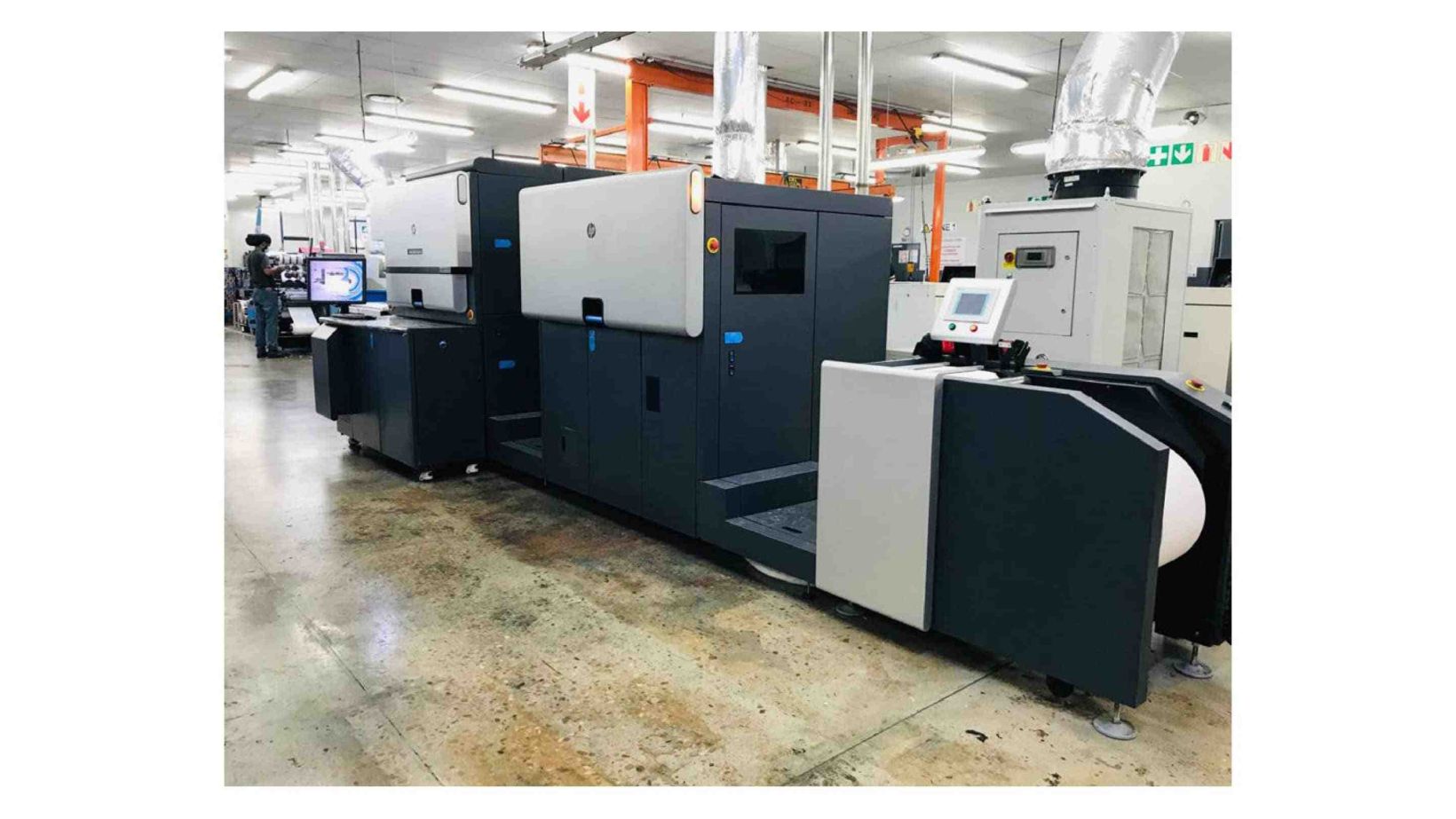
The digital printing of pressure-sensitive labels (PSL) has become a much-talked-about trend across the world as advancements in this technology have opened up new possibilities for exceptional quality results. HENK JACOBS, general manager of self-adhesive label production company, Lebone Paarl Labels, answers some questions about this versatile production method.
Why did Lebone Paarl Labels invest in digital print technology?
Proactive investment in leading-edge technology has always been a cornerstone of Lebone Paarl Labels’ success as modern equipment ensures we can efficiently deliver the highest-quality, innovative label solutions to our clients. In 2017, Lebone Paarl Labels invested in its first HP Indigo digital press and ABG Digicon Series 3 finishing line in response to shifting client label requirements.
This extension to our existing UV flexo self-adhesive production capabilities allowed us to apply the printing and finishing technology best suited to each job’s particular profile. Digital printing efficiently caters for smaller to medium print runs and also offers individual label personalisation capabilities for new product testing and dynamic marketing campaigns. Escalating demand for this service has now prompted our investment in a second HP Indigo with a new ROTOCON Ecoline RDF 340 digital finishing line.
Why did you select HP Indigo digital presses?
A non-negotiable measurable for Lebone Paarl Labels is the delivery of uncompromised quality labels. After a thorough investigation of all the digital options on offer internationally, HP Indigo stood out for its efficiency, quality and versatility. None of the current technologies could match its sharp quality, especially on uncoated stocks.
Is there a minimum order requirement for digital labels?
Lebone Paarl Labels’ HP Indigo digital presses don’t require printing plates so they can produce any quantity with no minimum requirement. This makes them the perfect choice for small to medium runs which we often see for new or specialised product ranges.
Can the quality of digital printing be trusted?
The HP Indigo’s superior technology delivers a digital colour printing process that matches the quality of gravure printing. With high-resolution printing and perfect registration, this digital press can perfectly produce the distinctive labels envisioned by the designers.
What colours can be produced digitally?
HP’s sophisticated technology offers efficient, versatile printing with up to seven colours. This includes the HP Indigo ElectroInk Silver for a metallic look similar to UV flexo silver inks and HP Indigo ElectroInk White for shrink sleeves. An inline spectrophotometer eliminates manual colour calibrations and adjustments for perfect colour from the first to the last label off the press.
Can individually unique labels be produced?
Variable printing of unique elements such as text, images, barcodes, numbers and security features can be included on the labels. Brands can also leverage the capabilities of HP SmartStream Mosaic and Collage to make every label unique, creating an infinite number of designs without impacting productivity for irresistible shelf appeal and maximum customer interactivity.
How are finishes applied to digitally printed labels?
Once printed, the reel of labels moves directly from the HP Indigo presses onto Lebone Paarl Labels’ customised ABG Digicon Series 3 and ROTOCON Ecoline RDF 340 Digital finishing lines where foiling, debossing/embossing, high-build screen printed varnish, laminating or UV matt/gloss varnish or UV textured varnishes can be added in a single pass to incorporate depth and texture to labels. This expansion of our converting and finishing capacities for digitally printed labels with embellishments allows us to respond faster to the growing demand for these products from our clients.
Is digital printing environmentally friendly?
Lebone Paarl Labels’ HP Indigo press is manufactured using renewable energy and is certified carbon neutral. It comes with technologies that reduce wastage by eliminating print media waste, plates, cylinders and other elements of conventional printing. HP Indigo’s unique proprietary Liquid Electrophotography (LEP) technology enables a high-ink coverage job with low energy consumption without compromising the safety aspect of food packaging use. The LEP digital printing process has helped remove the use of many hazardous substances that are typically used in conventional printing.
The HP Indigo press is also equipped with advanced energy-recovery mechanisms such as regenerative braking and an advanced heat recovery system. This means these presses achieve optimal press productivity by reducing media waste and energy consumption The HP Indigo digital press emits a fraction of the VOCs used in conventional printing processes as it has a capture and control system that allows the capturing of VOCs in the recycling system located in the utility cabinet of the press.
The carrier liquid used in HP Indigo ElectroInks is a high-purity, virtually odourless, synthetic isoparaffinic fluid which doesn’t include mineral oil but instead comprises low-weight hydrocarbon chains commonly used in personal care products and allowed for use in food contact materials across various jurisdictions.
HP Indigo ElectroInk is certified for both home and industrial compostability in accordance with leading standards such as EU regulation EN 13432.
For more info, email [email protected] or go to lpaarllabels.co.za.

More from
Innovation and insights
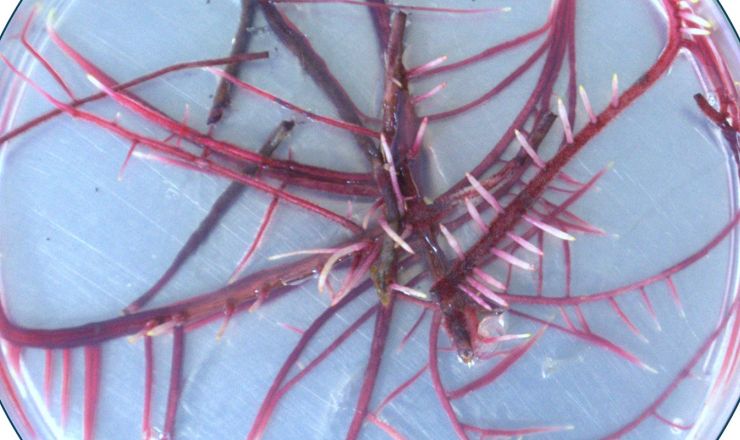
Hairy roots - a biotechnological tool for grapevine improvement
Hairy roots arise when the phytopathogenic bacterium, Rhizobium rhizogenes inserts DNA into a wounded plant’s genome, triggering the formation of rapidly growing root masses. The rapid growth and relatively fast establishment of hairy roots led to their use in laboratories, where they are used to…
To swirl or not to swirl? - that is the question... (Part 2)
This study investigated the sensory suppression effects of H2S on tropical fruit characters and evaluated whether the perceived improvement following swirling is a result of chemical oxidation or physical volatilisation.
Q&A with Jose Luis Aleixandre-Tudo
Jose Luis Aleixandre-Tudo is an Associate Professor in the Department of Food Technology at the Universitat Politècnica de València, Spain, and an Extraordinary Senior Lecturer in the Department of Viticulture and Oenology at Stellenbosch University, South Africa.