
Organically made – Quality driven
· 2 min read
Biodynamic and Organic wine producers have “upped the ante” when it comes to quality wine production. At the recent Which Wine tasting, the panel confirmed the vast improvement over the past couple of years.
Differentiation of organic and biodynamic, was a bone to chew and all thanks to the new legislations that have ensure that production is followed to the tee.
Higgo Jacobs, Chairman of Which Wine:
The wines have really improved over the years in quality. Though some of the wines showed a bit of overworking in terms of vinification, the market segment was probably the reason for such action. Most of the wines showed clean and amazing fruit, especially the entry level wines. Amazing wines, great selection displaying the increase in quality across all market points.
Fiona McDonald, Wine writer and judge:
The line-up of wines was great, it was a quick and straight forward. No dogs and no having to carefully phrase negative comments, which was just unbelievable. As initial noted, the quality of these wines has increased and that may probable be linked to the increase in legislation on production methods within this category.
Rudiger Gretschel, Head Winemaker, Vinimark Wine Company:
Having been in organic winemaking industry for over 15 years, one would expect me to know these wines by taste. I could have easily guessed five of them, but two of the red wines got me off-guard. This can be attributed to the maturity and better understanding of organic winemaking principles from the winemakers. Quality-driven wines have really uplifted the segment and listings in restaurant has provided the much needed consumer awareness.
List of wines
- Reyneke Reserve White 2014
- Laibach The Ladybird Red 2013
- Avondale Anima 2013
- Laibach The Ladybird Chardonnay 2014
- Reyneke Vine Hugger Merlot 2013
- Joostenberg Klippe Kou Syrah 2013
- Woolworths Stellar Winery Diving Hawk Shiraz 2015
For ratings, tasting notes and more information on the wines tasted for the February Which Wine edition, please click here.

More from
Innovation and insights
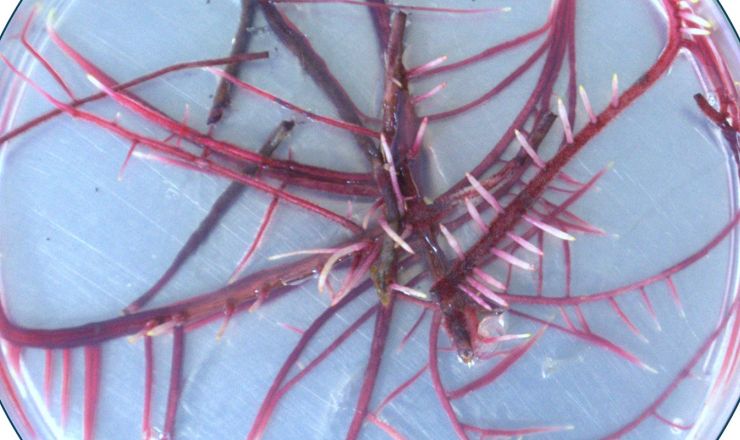
Hairy roots - a biotechnological tool for grapevine improvement
Hairy roots arise when the phytopathogenic bacterium, Rhizobium rhizogenes inserts DNA into a wounded plant’s genome, triggering the formation of rapidly growing root masses. The rapid growth and relatively fast establishment of hairy roots led to their use in laboratories, where they are used to…
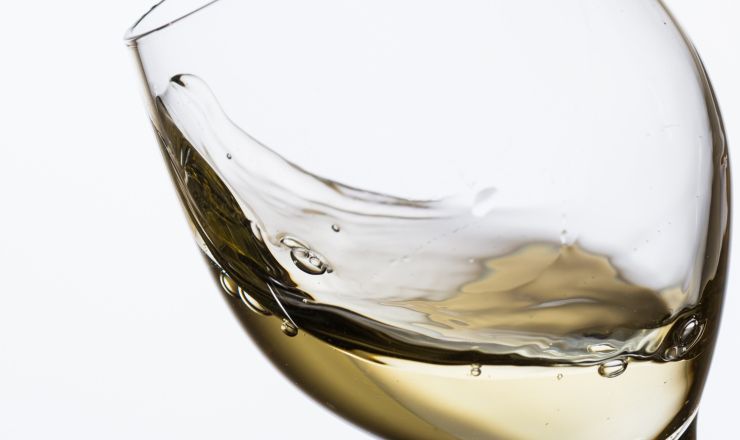
To swirl or not to swirl? - that is the question... (Part 2)
This study investigated the sensory suppression effects of H2S on tropical fruit characters and evaluated whether the perceived improvement following swirling is a result of chemical oxidation or physical volatilisation.

Q&A with Jose Luis Aleixandre-Tudo
Jose Luis Aleixandre-Tudo is an Associate Professor in the Department of Food Technology at the Universitat Politècnica de València, Spain, and an Extraordinary Senior Lecturer in the Department of Viticulture and Oenology at Stellenbosch University, South Africa.