
Packaging under pressure: What wine businesses should be watching
From lighter bottles to automated packing lines, packaging decisions are becoming increasingly important to the cost and competitiveness of South African wine.
· 3 min read

Packaging might be the last thing a consumer notices before opening a bottle of wine, but for producers and brand owners, it can be one of the more complicated decisions behind getting that bottle onto a shelf.
The cost of materials, efficiency on the packing line, transport and changing sustainability expectations all influence how wine is packaged and delivered. And when margins are already tight, even small improvements can make a difference.
These are some of the challenges in focus at Propak Cape 2026, taking place at the Cape Town International Convention Centre from 27 to 29 October.
With more than 200 exhibitors across packaging, plastics, printing, labelling and food processing, the exhibition offers wine businesses an opportunity to look beyond their existing packaging systems and explore what might work better.
Where technology could make a difference
For cellars and bottling operations, packaging efficiency is about how quickly a line runs and consistency, downtime, labour requirements and the cost of getting a finished product ready for distribution all matter.
Automation and end-of-line technology will be among the areas showcased at Propak Cape. These include automated carton-packing, strapping, and wrapping solutions, as well as marking and coding systems used at different stages of production.
Companies such as Progetto, Goldpack and REA South Africa will demonstrate technologies to improve packaging processes.
The opportunity for wine businesses is to see these systems in operation, speak directly with suppliers, and consider whether particular solutions could address challenges in their own operations.
Rethinking the packaging itself

Sustainability is another area where packaging decisions are changing. Lighter materials, recyclability and alternative formats are receiving growing attention as businesses consider both their environmental impact and the practical costs of packaging and transport.
One example with direct relevance to the wine industry is the 750 ml Eco-Flat Wine Bottle, developed for the South African market by Polyoak Packaging in collaboration with Packamama, Safripol and Stellenbosch Vineyards.
Its inclusion at the exhibition raises a broader question for wine producers and brand owners: how much of our packaging is shaped by what consumers actually need, and how much by what the industry has always done?
Glass will remain an important part of wine’s identity and presentation, particularly in premium categories. But alternative formats are worth understanding, even where they may not suit every wine, market or consumer.
Questions worth asking
For anyone attending Propak Cape, the value lies in looking beyond the machinery and asking practical questions. Could a different packaging format reduce costs without compromising quality or brand positioning? Where are the biggest inefficiencies in our packing operations? And which investments would genuinely improve competitiveness rather than simply introduce more technology?
The exhibition also includes a free seminar programme organised by the Institute of Packaging SA, covering industry practices, technology and legislative developments.
Not every innovation will be relevant to every wine business. But understanding what’s changing in packaging, and where the opportunities might lie, is increasingly part of running a competitive operation.
Propak Cape 2026 takes place from 27 to 29 October at the Cape Town International Convention Centre. Visitor registration is free at www.propakcape.co.za.

More from
Innovation and insights
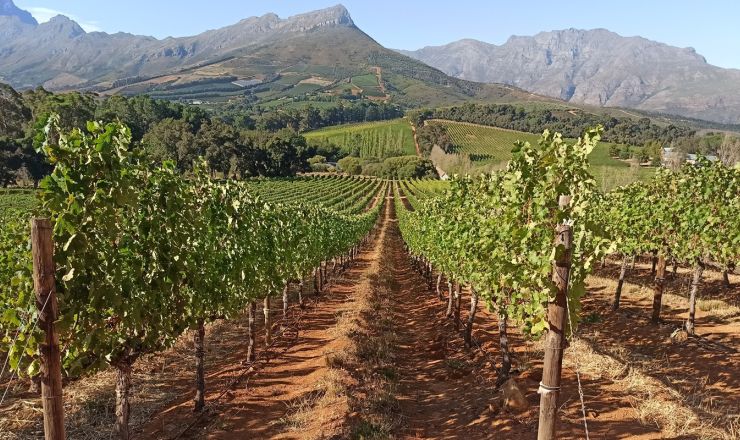
How vine water stress shapes grape and wine quality
This study formed part of the South Africa Wine programme “Grapevine production with limited water resources”, and aimed to evaluate how spatial and temporal water stress affects vine physiology, fruit composition and wine quality.
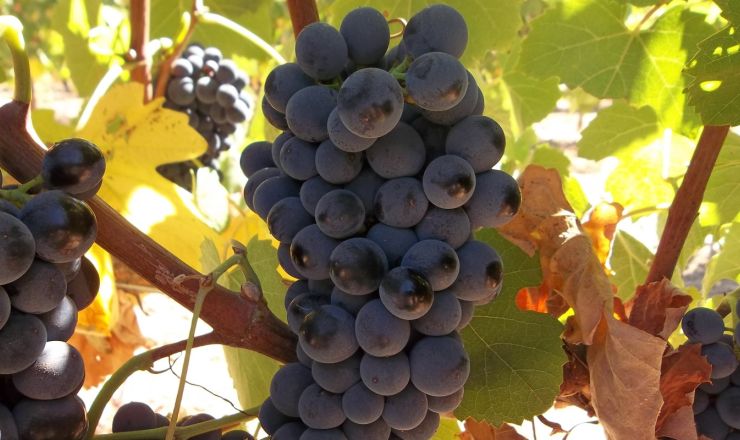
Drought tolerance of different scion cultivars (Part 4): Vegetative growth and yield
The study aimed to assess grapevine vegetative and yield responses in an almost worst-case scenario, i.e. grapevines growing under dryland conditions in sandy loam soil in the Swartland region.
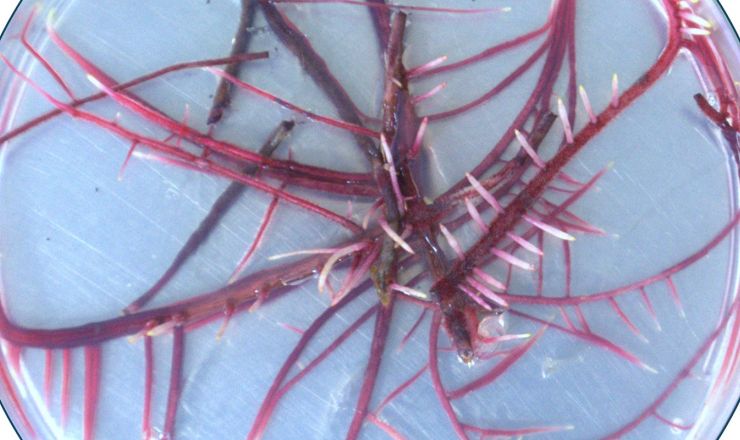
Hairy roots - a biotechnological tool for grapevine improvement
Hairy roots arise when the phytopathogenic bacterium, Rhizobium rhizogenes inserts DNA into a wounded plant’s genome, triggering the formation of rapidly growing root masses. The rapid growth and relatively fast establishment of hairy roots led to their use in laboratories, where they are used to…