
How to reduce the pinking potential of white wines
· 4 min read
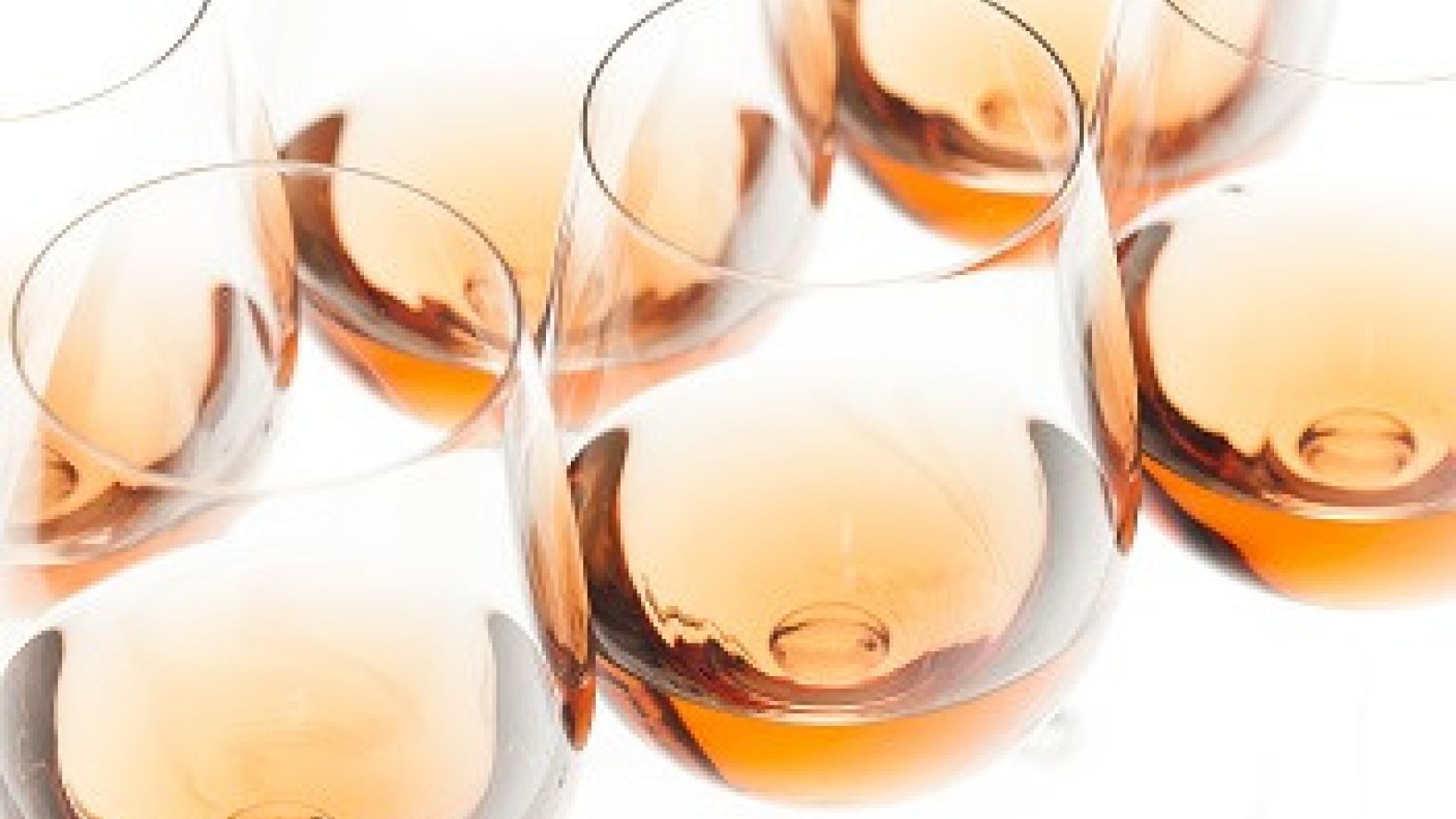
When white wines with the potential to pink are exposed to oxygen, the phenomenon known as pinking occurs. It is common in Sauvignon blanc, but also occurs in Chardonnay, Colombar, Chenin blanc and Viognier.
Literature exists about the possible compounds and components that promote pinking, but not all findings concur and there is still much uncertainty about the cause of the phenomenon. Research into pinking is therefore ongoing. The following is a discussion of basic guidelines to reduce the pinking potential of white wines, but research is currently in progress and more comprehensive feedback will be given to the industry at the end of the study.
Reductive vinification
During reductive vinification the winemaker tries to eliminate oxygen (O2) as much as possible. The most common ways of doing so entail working with dry ice, inert gas or ascorbic acid. When ascorbic acid (vitamin C) is used during the winemaking process, the ascorbic acid is oxidised into dehydroxy ascorbic acid and hydrogen ions. In the presence of oxygen in the juice/wine the oxidation of ascorbic acid also results in the formation of hydrogen peroxide (H2O2). This is a strong oxidative agent and SO2 is required to bind to it and neutralise it.
Keep the following guidelines in mind:
- It is important always to keep the free SO2 concentration of the wine as close as possible to 35 - 45 mg/ℓ when working with ascorbic acid.
- As soon as dry ice and inert gas are involved, it is important to keep the SO2 of the wine as close as possible to the above-mentioned values.
- Ascorbic acid reacts with SO2 at a ratio of 1:1.7 and not 1:1 as generally accepted. It is therefore important first to determine the existing concentration of ascorbic acid in the wine before making any ascorbic acid additions or adjustments.
Metals in wine
Much research has been done on the effect of heavy metals (Cu, Fe) in wine. It is always good to analyse the wine for heavy metals and if the metal content is high, the free SO2 levels should be kept at a minimum of 45 mg/ℓ.
The use of products to reduce the pinking potential of wine
Among winemakers it is common practice to use PVPP with wine. PVPP is added to wine during fermentation or at other vinification stages and reduces or prevents the pinking potential of wine. However PVPP is not very effective as a post-pinking treatment.
It makes sense to be proactive and use PVPP or similar agents as standard practice during settling or fermentation. If phenols are the cause of pinking, products such as casein, gelatine, potato protein and Kieselsol may be used to remove the phenols during settling or fermentation.
Further investigations and guidelines
The above are the most common guidelines for potential use. Little research has been done into pinking; a Winetech project is currently looking at the following:
- The impact of vinification processes on the wine’s potential to pink, including oxidative vs reductive must treatments, grape temperature, grape degree of ripeness, different press methods, skin contact period and wine on the lees. Further findings will be included in the final guidelines.
- Whether pinking can be linked to region, clone, rootstock or yeast strain. The pinking potential of Sauvignon blanc wines from all wine producing regions in South Africa is being investigated.
As many as 30 different fining agents are being sold to winemakers by chemical companies, including some to reduce the pinking potential of wine. The important question is whether these fining agents are effective. Consequently all these agents will be tested on wine with pinking potential. The products will be tested at three stages: at settling, during fermentation and on finished wine at the fining stage. The pinking potential of the wine will then be tested to determine which fining agent(s) work best with which treatment.
– For more information, contact Anton Nel at [email protected] or Francois van Jaarsveld at [email protected].

More from
Innovation and insights

Packaging under pressure: What wine businesses should be watching
From lighter bottles to automated packing lines, packaging decisions are becoming increasingly important to the cost and competitiveness of South African wine.
How vine water stress shapes grape and wine quality
This study formed part of the South Africa Wine programme “Grapevine production with limited water resources”, and aimed to evaluate how spatial and temporal water stress affects vine physiology, fruit composition and wine quality.
Drought tolerance of different scion cultivars (Part 4): Vegetative growth and yield
The study aimed to assess grapevine vegetative and yield responses in an almost worst-case scenario, i.e. grapevines growing under dryland conditions in sandy loam soil in the Swartland region.