
Responsibly distilled
· 4 min read
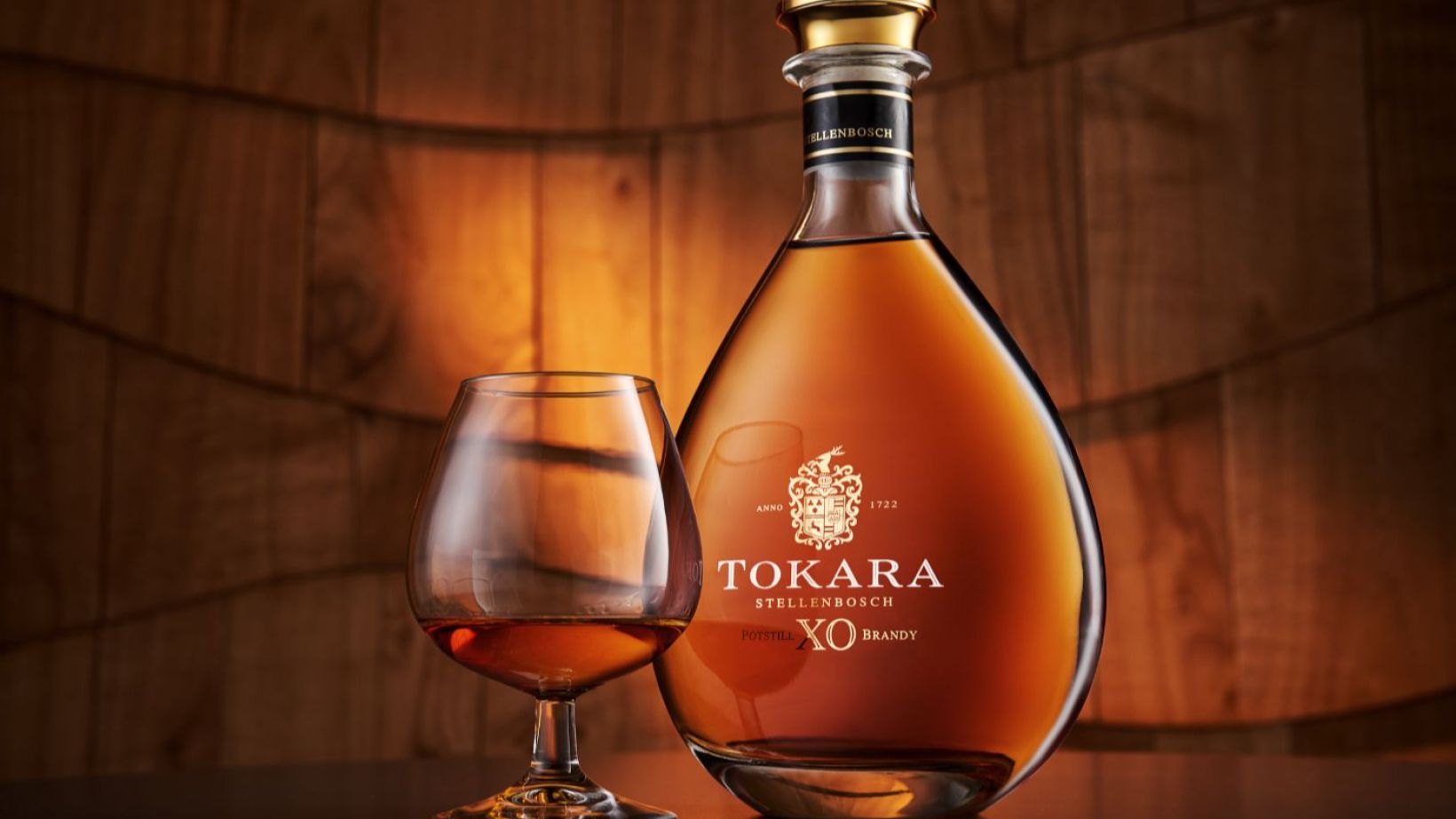
Brandy, while steeped in tradition, poses complex sustainability challenges. From energy-intensive distillation to water usage and vineyard management, producers are increasingly required to balance craftsmanship with environmental responsibility.
Globally, brandy production remains a resilient and evolving category, with demand changing towards premium, aged spirits. South Africa produces over 200 million litres of wine for brandy annually, positioning it among the world’s leading producers. The local market is expected to reach US$209.5m (R3.55bn) by 2030, while the industry continues to move away from high-volume output towards premium, potstill brandies. South African producers now dominate 44% of the African market, supported by stringent production standards including mandatory oak maturation and 100% grape-based distillation.
Unlike many spirits, brandy begins as wine, making viticulture a foundational element of its environmental footprint. Conventional farming methods, including heavy use of pesticides and fertilisers, can degrade soil health and biodiversity, while irrigation demands place pressure on water resources.
Regenerative practices
At Tokara Wine and Olive Estate, emphasis is placed on regenerative vineyard practices as the starting point of sustainable production. The estate employs no-till farming to preserve microbial soil health and incorporates compost derived from recycled organic matter to improve soil structure and fertility. In addition, biodiversity is actively supported through the maintenance of natural green corridors and the removal of invasive plant species.
A key pressure point in brandy production lies in the distillation process itself. Heating wine to produce spirit requires substantial energy, while cooling systems often demand high volumes of water.
“Energy consumption is a major factor when heating the wine for distillation,” says Stuart Botha, winemaker at Tokara. “We have implemented an energy recovery system known as a pre-heater, which allows us to reduce both energy and water use during the process.”
The system operates by using incoming cold wine to assist in condensing vapour during distillation. In doing so, it reduces the need for additional cooling water while simultaneously pre-heating the next batch of wine, improving overall energy efficiency. “It has the added benefit of preparing the next batch for distillation, which makes the process more efficient across the board,” he explains.
Water management is another important consideration, particularly in water-scarce regions such as the Western Cape. Tokara leverages its natural positioning along the Simonsberg mountain to utilise diverted winter runoff for cooling during distillation. Once used, this water is returned to its natural flow path, minimising disruption to the surrounding ecosystem.
While brandy production itself produces minimal distillery dregs, Tokara processes organic by-products through a bio-reactor system. Solid grape matter from pressing is composted and reintroduced into the vineyards, creating a closed-loop system that supports soil health and reduces waste.
The estate is actively working towards broader carbon reduction goals, with annual audits and alignment to Science Based Targets Initiative (SBTi) frameworks guiding long-term environmental strategy.
Sustainably distilled
The result of Tokara’s integrated sustainability practices is ultimately expressed in the final product. Its XO Potstill Brandy is as a tangible example of how responsible production can coexist with premium quality. Created from Chenin Blanc and matured for over a decade in French oak, the brandy reflects precision and patience, with a focus on retaining only the finest “heart” of the distillate for ageing. Its quality has been recognised consistently, earning multiple five-star ratings in Platter’s Wine Guide, gold medals at the Intercontinental Spirits Challenge, and international acclaim at the Brandy Masters awards.
The future of brandy lies in this integrated approach. “Brandy production follows a seasonal rhythm that connects vineyard management, winemaking, and distillation into a single, continuous process,” Stuart says. “Sustainability needs to be considered at every stage, and as part of how we produce quality.”
Tokara’s approach to reducing its environmental impact is practical model for the industry. By combining technical innovation with responsible farming and resource management, it demonstrates that sustainability and premium production are no longer separate considerations, but part of the same value proposition.

More from
Innovation and insights

Packaging under pressure: What wine businesses should be watching
From lighter bottles to automated packing lines, packaging decisions are becoming increasingly important to the cost and competitiveness of South African wine.
How vine water stress shapes grape and wine quality
This study formed part of the South Africa Wine programme “Grapevine production with limited water resources”, and aimed to evaluate how spatial and temporal water stress affects vine physiology, fruit composition and wine quality.
Drought tolerance of different scion cultivars (Part 4): Vegetative growth and yield
The study aimed to assess grapevine vegetative and yield responses in an almost worst-case scenario, i.e. grapevines growing under dryland conditions in sandy loam soil in the Swartland region.