
Soil texture's influence on soil biological health indicators - implications for vineyard management
This article reviews the interaction between soil texture and key soil health biological indicators.
Roeline van Schalkwyk and Ailsa Hardie-Pieters
· 5 min read
Introduction
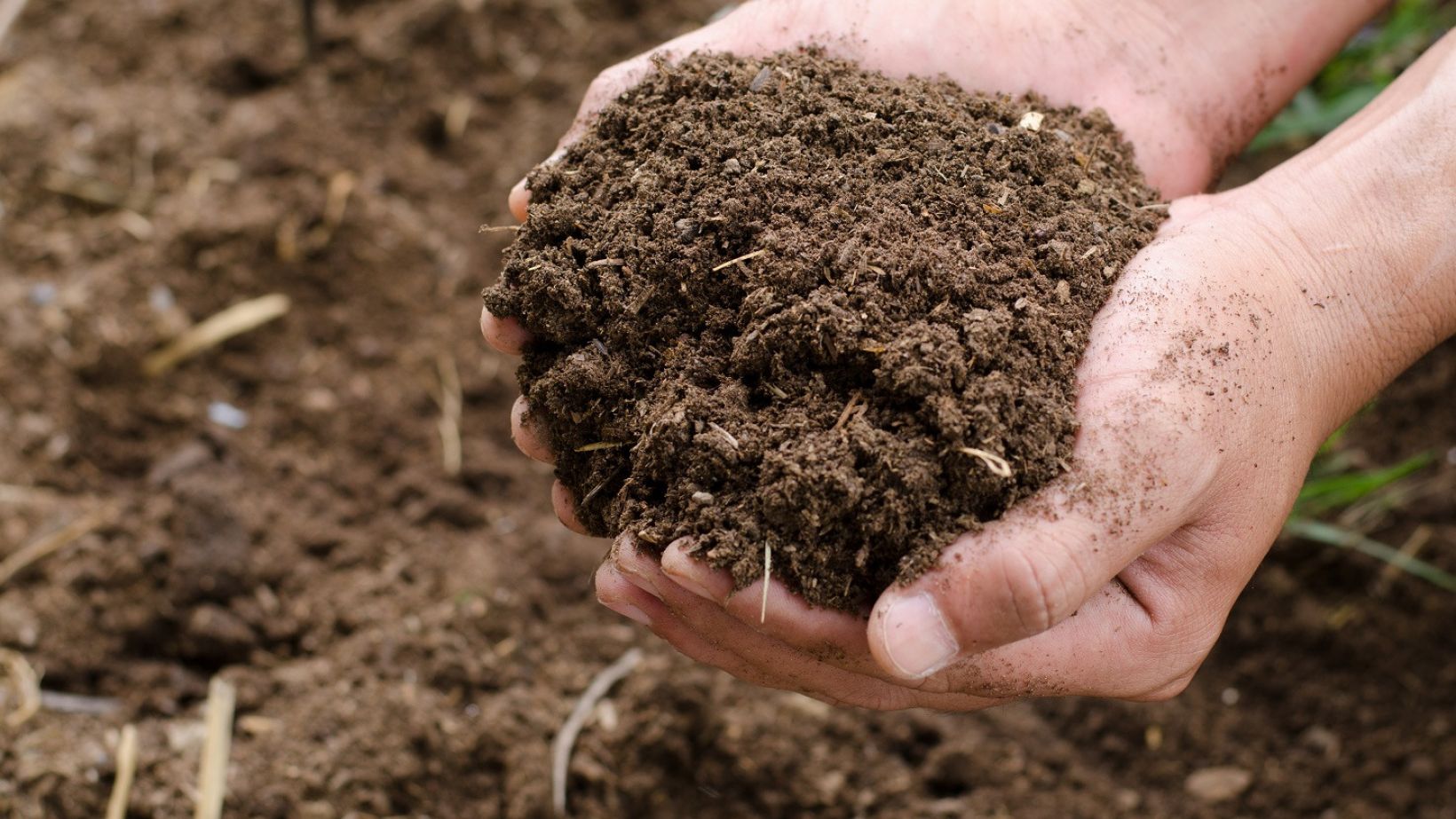
In modern viticulture, assessing soil health is becoming a practical management tool, providing critical data for optimising inputs and enhancing vineyard sustainability. However, interpreting soil health analyses can be complex. The physical properties of a soil, especially its texture, have a profound effect on the biological potential and function. While soil management practices are crucial, soil texture dictates their effectiveness. Understanding how texture affects soil biological indicators is essential for correctly interpreting soil health test results and developing effective, site-specific strategies. This article reviews the interaction between soil texture and key soil health biological indicators.
Carbon and nitrogen cycling indicators
Carbon (C) and nitrogen (N) cycling is the engine of soil fertility, driven by microbial processes. Key indicators measure the organic pools of these nutrients that fuel microbial life and are, in turn, made available to the vine.
- Soil organic C (SOC): This is a key indicator of soil health as it serves as the energy source (food) for soil fauna. Fine-textured soils, with their high specific surface area, can store more SOC through the formation of protective organo-mineral complexes. Conversely, the larger pores in coarse-textured soils facilitate faster decomposition.
- Permanganate oxidisable carbon (POXC): Historically, the POXC test has been interpreted as a measure of the ‘labile’ or ‘active’ soil carbon fraction – a readily available microbial food source. However, recent research compellingly shows this interpretation is incorrect. Studies demonstrate that POXC is highly sensitive to stable, recalcitrant compounds like lignin, while having almost no reaction with biologically labile compounds such as simple sugars and cellulose. Therefore, a high POXC value does not necessarily indicate a large pool of active, microbial-friendly carbon. The reaction of permanganate is also influenced by soil texture. Fine-textured soils can form protective organo-mineral complexes that may negatively affect the accessibility of organic compounds to the permanganate solution. Sensitivity of POXC to lignin means that results can be strongly influenced by the type of organic matter inputs (e.g., woody vs. herbaceous cover crops), which can be just as important as the influence of soil texture.
- Soil protein index and potentially mineralisable nitrogen (PMN): Soil protein is a significant reservoir of bioavailable organic nitrogen, while PMN quantifies the rate at which microbes convert this nitrogen into plant-available forms. Finer textures generally support higher levels of both. The superior water and nutrient retention of clay and silt soils create a more stable environment for microbial life and nitrogen mineralisation.
- Management implications: In coarse-textured soils with lower nutrient retention, management should focus on frequent applications of organic materials to replenish labile carbon and nitrogen pools. Fine-textured soils have a greater buffering capacity, but can become anaerobic if over-irrigated, hindering mineralisation.
Microbial and enzyme activity indicators
These indicators measure the soil’s biological engine and its capacity to perform essential functions.
- Soil respiration (mineralisable C): As a short-term measure of total microbial activity, soil respiration can be paradoxically higher in coarse-textured soils. Enhanced aeration from larger pore spaces can stimulate microbial activity. However, literature suggests management practices often exert a greater influence on respiration than texture alone.
- Enzyme activity assays (e.g. AI3 and FDA assay): Soil enzymes, secreted by soil microbes and plant roots, are the catalysts for organic matter decomposition and nutrient mineralisation. Texture influences this by controlling substrate storage and accessibility. Fine-textured soils store more SOC, but also form protective organo-mineral complexes that regulate its availability. Enzyme function also relies on soil moisture, and the ability of fine-textured soils to retain water provides a stable environment that supports enzymes and helps make substrates accessible.
- Management implications: For sandy soils, practices that add organic matter and conserve moisture, like mulching, are critical for sustaining enzyme activity. While fine-textured soils support enzymatic processes, compaction can create anaerobic zones that inhibit aerobic microbes, underscoring the importance of maintaining good soil structure.
Soil biota structure
The composition of the soil food web, particularly nematodes, provides insight into the soil’s ecological structure and functioning.
- Nematode community structure: Soil texture directly shapes the physical habitat of soil fauna. Coarse-textured, sandy soils offer larger pore spaces, allowing greater aeration and movement. This environment can support a high abundance of nematodes, but also favours certain plant-parasitic species, like the root-knot nematode. Fine-textured soils, with smaller pores, may limit the movement of larger nematodes, but can harbour higher proportions of other functional groups, such as bacterivorous nematodes.
- Management implications: In sandy vineyards, monitoring for pathogenic nematodes is critical. Management strategies that increase organic matter can help build a more resilient food web, potentially enhancing populations of beneficial nematodes.
Conclusion – interpreting data within a textural context
Soil texture is a primary driver of a vineyard’s biological signature, influencing carbon, water and nutrient storage, microbial activity, and food web composition. This has profound implications for soil health assessment. A “good” value for an indicator in a clay-loam soil may be unattainable in a sandy soil, and vice versa. Therefore, interpreting soil health data requires a texture-specific approach. Without accounting for the influence of texture, there is a risk of misinterpreting analytical results. The development of regional, texture-differentiated benchmarks is the next logical step for advancing soil health management, enabling producers and consultants to make more accurate assessments and effective decisions tailored to each site’s unique terroir.
For more information, contact Prof Ailsa Hardie-Pieters at [email protected].
Click here to get your copy of WineLand Magazine.

More from
Innovation and insights

Packaging under pressure: What wine businesses should be watching
From lighter bottles to automated packing lines, packaging decisions are becoming increasingly important to the cost and competitiveness of South African wine.
How vine water stress shapes grape and wine quality
This study formed part of the South Africa Wine programme “Grapevine production with limited water resources”, and aimed to evaluate how spatial and temporal water stress affects vine physiology, fruit composition and wine quality.

Drought tolerance of different scion cultivars (Part 4): Vegetative growth and yield
The study aimed to assess grapevine vegetative and yield responses in an almost worst-case scenario, i.e. grapevines growing under dryland conditions in sandy loam soil in the Swartland region.