
Strategy for the control of mealybug in South African vineyards
· 3 min read
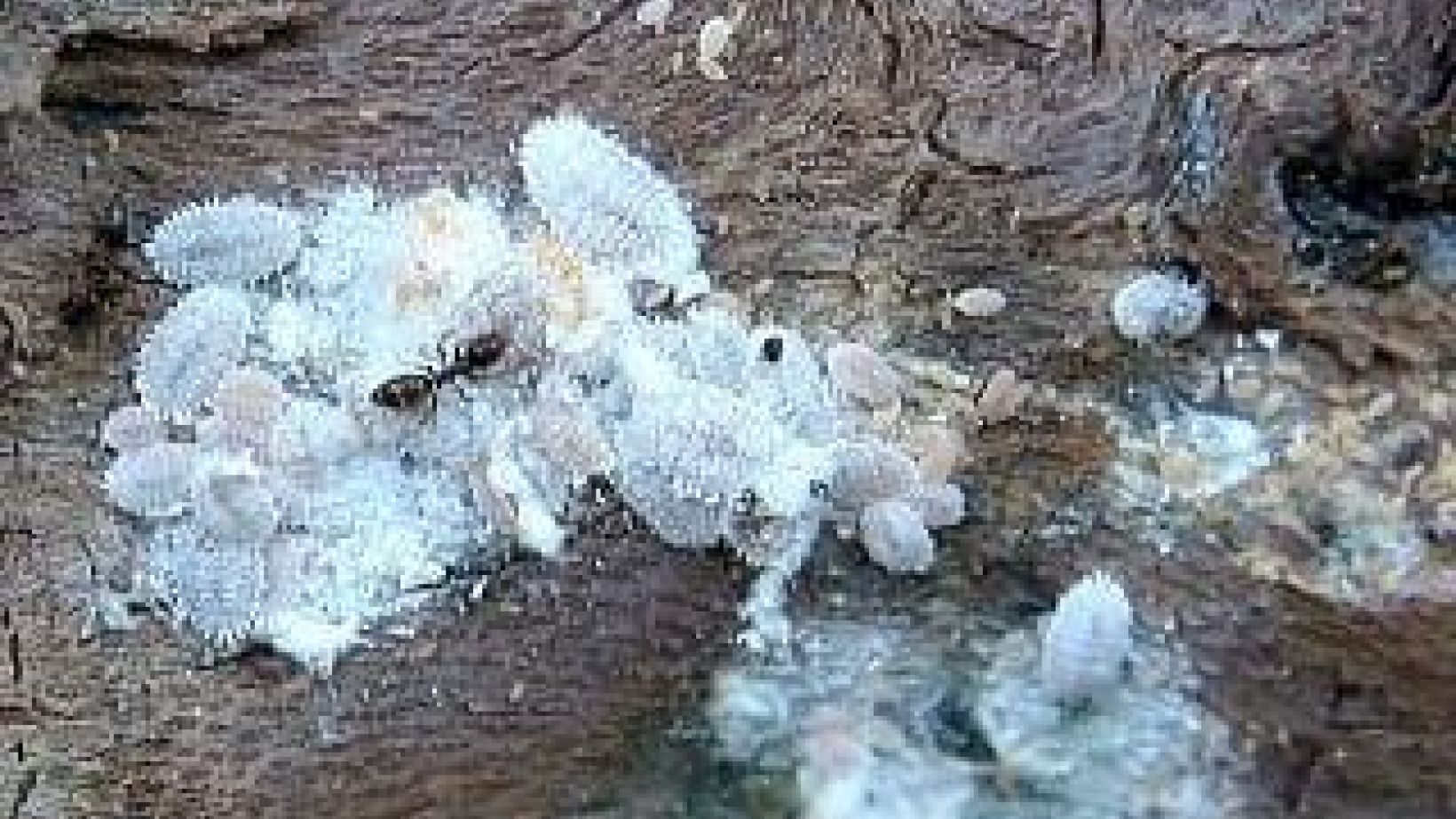
Mealybug and scale insects are currently the only proven vectors of leafroll virus. All producers do not have the financial means to remove and replace leafroll infected grapevines. New grapevines from certified virus-free plant material are consequently being established amongst infected blocks.
How to determine the presence and population of mealybug • Physical monitoring. • Pheromone traps. • Degree day model.
The following control measures may be applied for mealybug:
NB: Only active ingredients are listed – consult your agricultural chemical advisor. Read and follow the prescriptions and safety periods on the label. Spray judiciously – only sections where infection occurs. Withholding period is indicated in brackets.
Ant control This is the first step in the control of mealybug. Ants and mealybug live in symbiosis with each other – ants eat the honeydew secreted by mealybugs.
The following chemicals may be used: • Alpha-cypermethrin (28 days). • Chlorpyrifos (28 days). • Fipronil + Lambda Cyhalothrin (28 days).
Biological control This entails the release of natural predators that parasitise the mealybug.
Locally bred predators are available for this purpose: • Anagyrus pseudococci. • Cryptolaemus montrouzieri. • Coccidoxenoides perminutus.
Chemical control at root level in the soil • Imidacloprid (112 days). • Clothianidin (90 days). • Thiamethoxam (application one month after harvest).
Soil application at the time of establishment of new blocks. Some registrations are available for autumn application.
Winter and summer chemical control on sections of the plant that are above the soil
Winter This is a good option considering the fact that the population of natural enemies during winter is low: • Chlorpyrifos – before budburst. • Prothiophos – before budburst. • Profenofos – application during dormancy of grapevine.
Summer NB: This is the last resort, seeing that in the process not only mealybug predators, but also other beneficial insects are killed: • Acetamiprid (45 days) – table grapes only. • Borax + Orange oil – no withholding period. • Carbaryl (14 days). • Chlorpyrifos (28 days). • Dichlorvos (7 days). • Dimethoate (28 days). • Methidathion (8 days) – only one application. • Mevinphos (7 days). • Spirotetramat – not after pea berry stage. • Sulfoxaflor (28 days).
Conclusion We have the knowledge and the means to control ants and mealybug. If mealybug is absent, the leafroll virus cannot spread to healthy vines. The only distribution can then take place by the vector(s) from already infected plant material.
With thanks to Petrie de Kock and Pieter le Roux for their technical input.
– For more information, contact Lucinda Heyns at [email protected].

More from
Innovation and insights

Packaging under pressure: What wine businesses should be watching
From lighter bottles to automated packing lines, packaging decisions are becoming increasingly important to the cost and competitiveness of South African wine.
How vine water stress shapes grape and wine quality
This study formed part of the South Africa Wine programme “Grapevine production with limited water resources”, and aimed to evaluate how spatial and temporal water stress affects vine physiology, fruit composition and wine quality.
Drought tolerance of different scion cultivars (Part 4): Vegetative growth and yield
The study aimed to assess grapevine vegetative and yield responses in an almost worst-case scenario, i.e. grapevines growing under dryland conditions in sandy loam soil in the Swartland region.