
The bud (erinose) mite - identity crisis
Elleunorah Allsopp, Davina Saccaggi and Barbara van Asch
· 5 min read
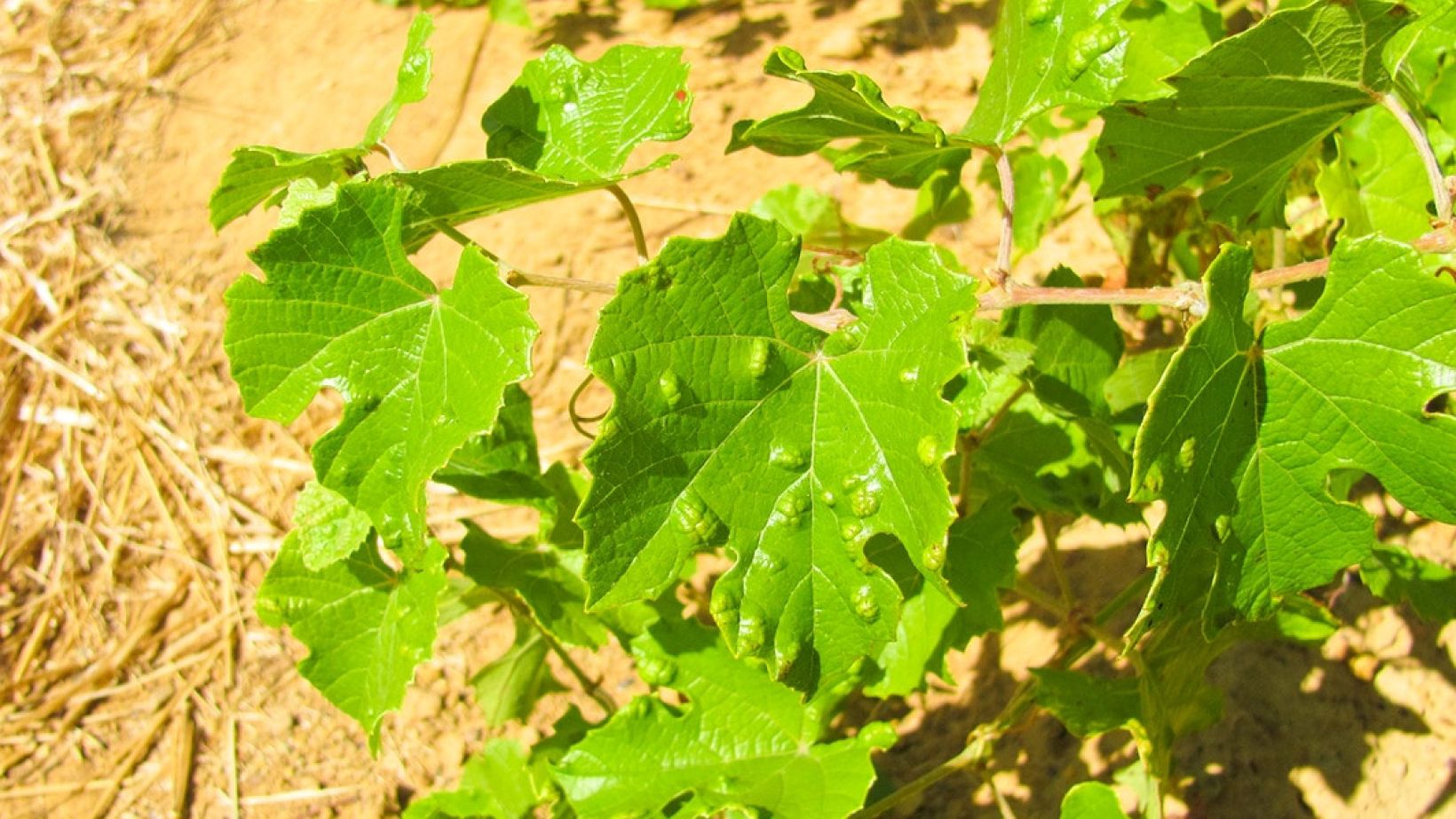
Debates about which mites are responsible for symptoms like malformed shoots, leaves and bunches, dead buds, leaf galls and curled leaf edges in grapevines have been going on for decades. Colomerus vitis was thought to be a single species with three biological races (bud mite, leaf blister mite and leaf curl mite) causing the different symptoms.
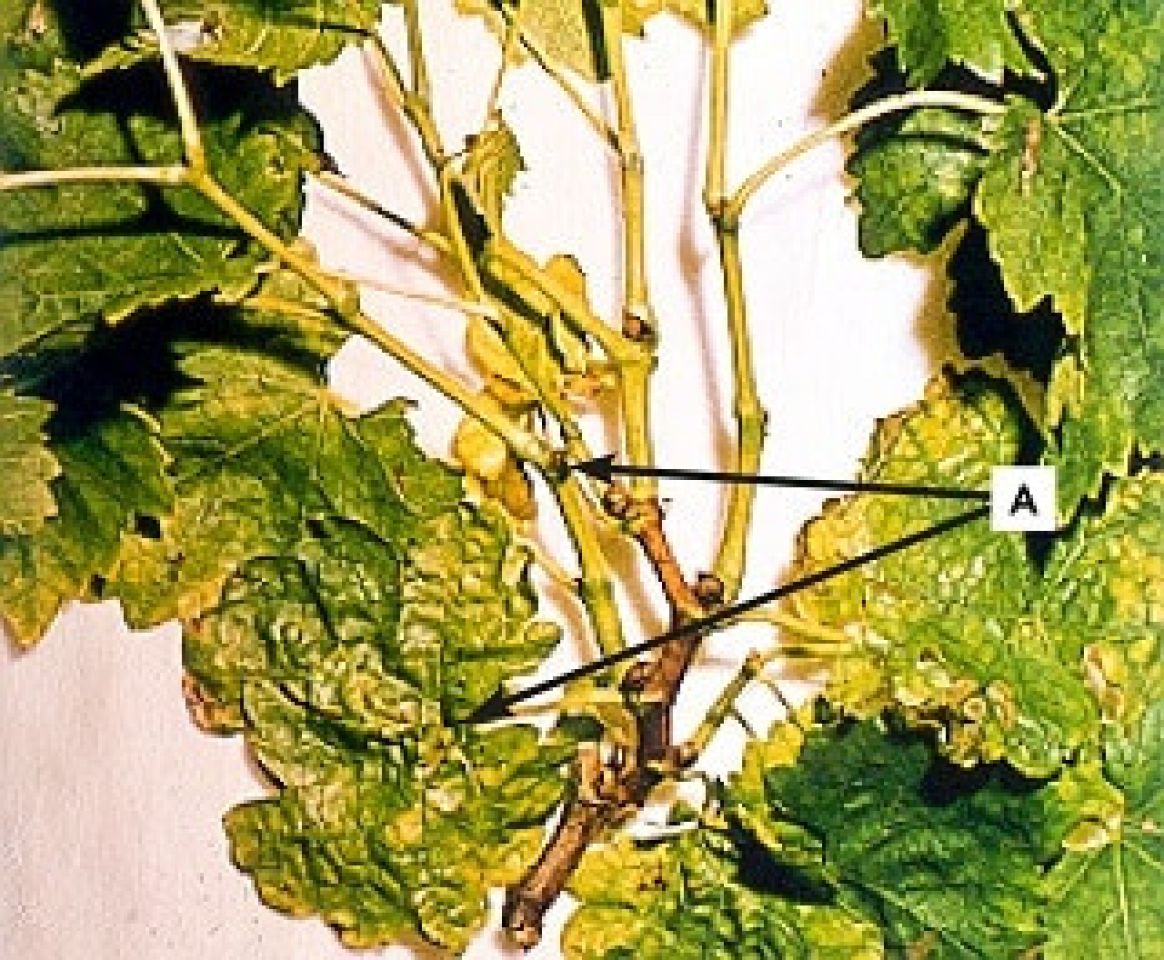
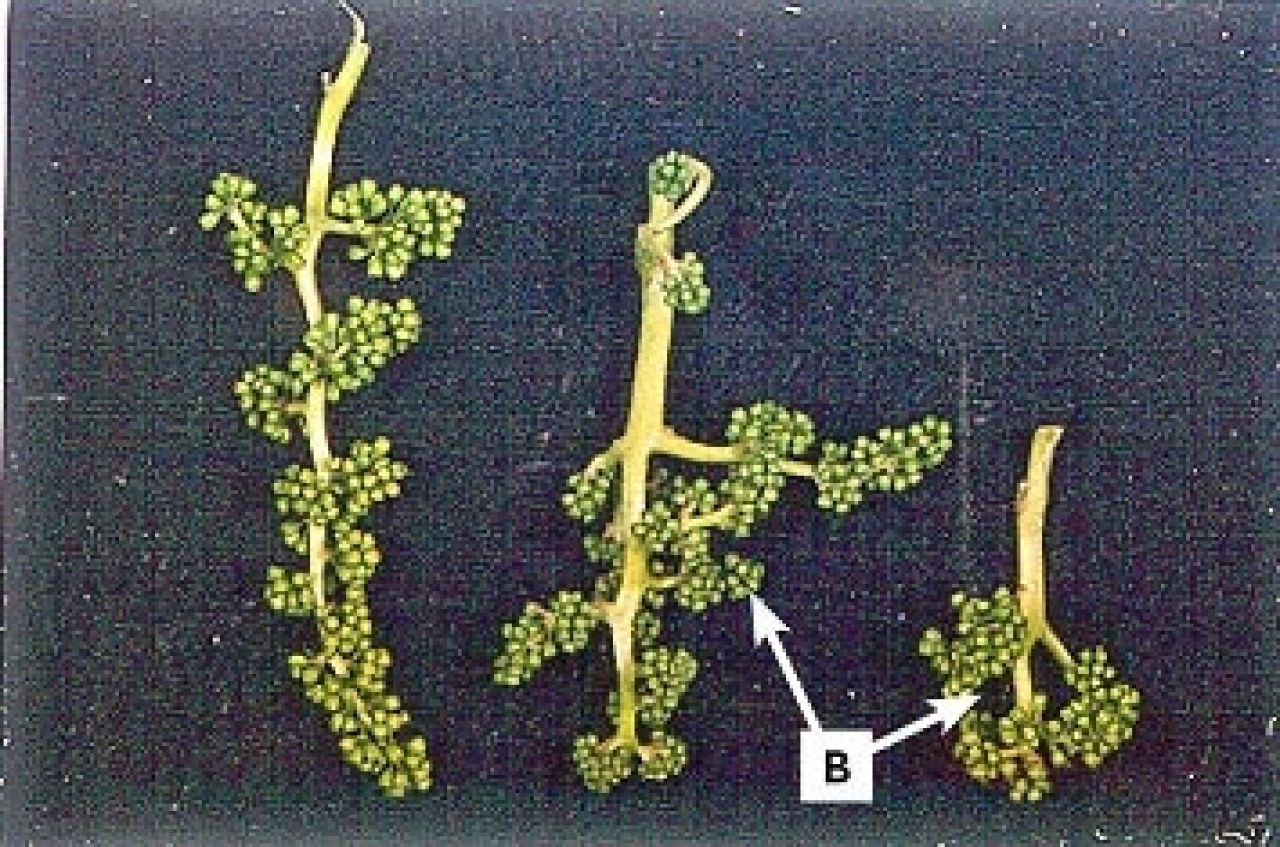
Shortened internodes and malformed leaves (A) and malformed bunches (B) due to feeding of mites in dormant buds.
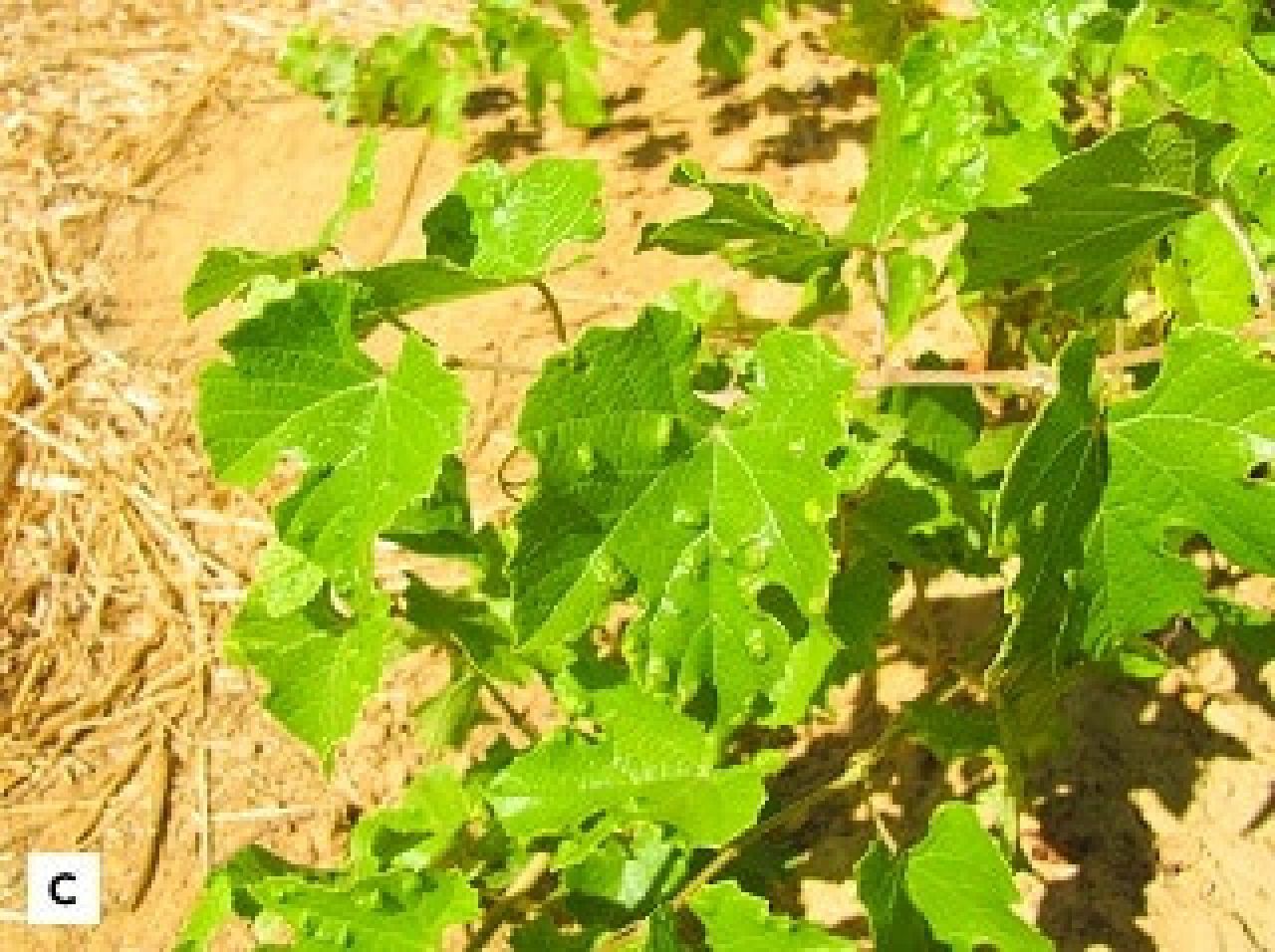
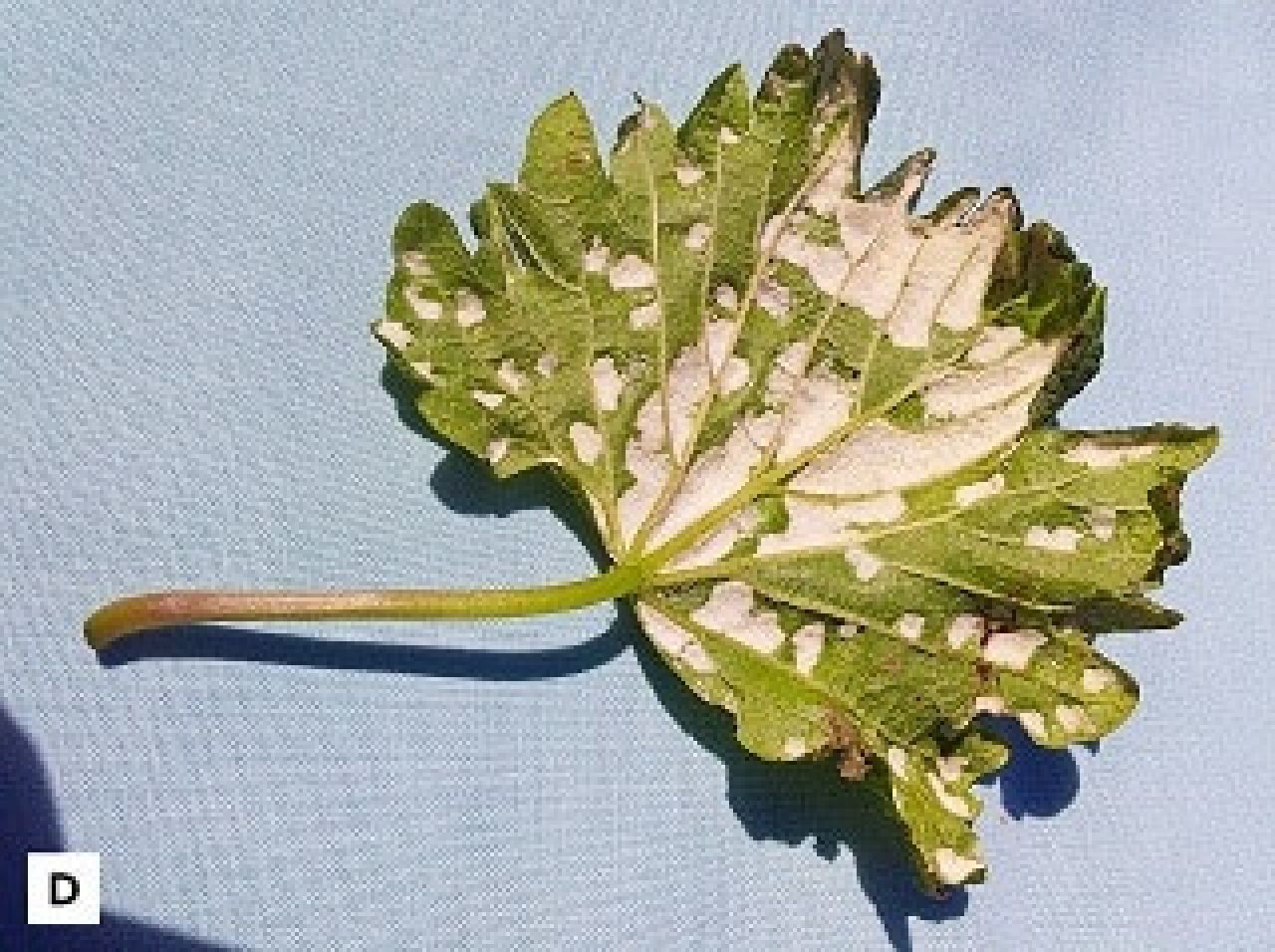
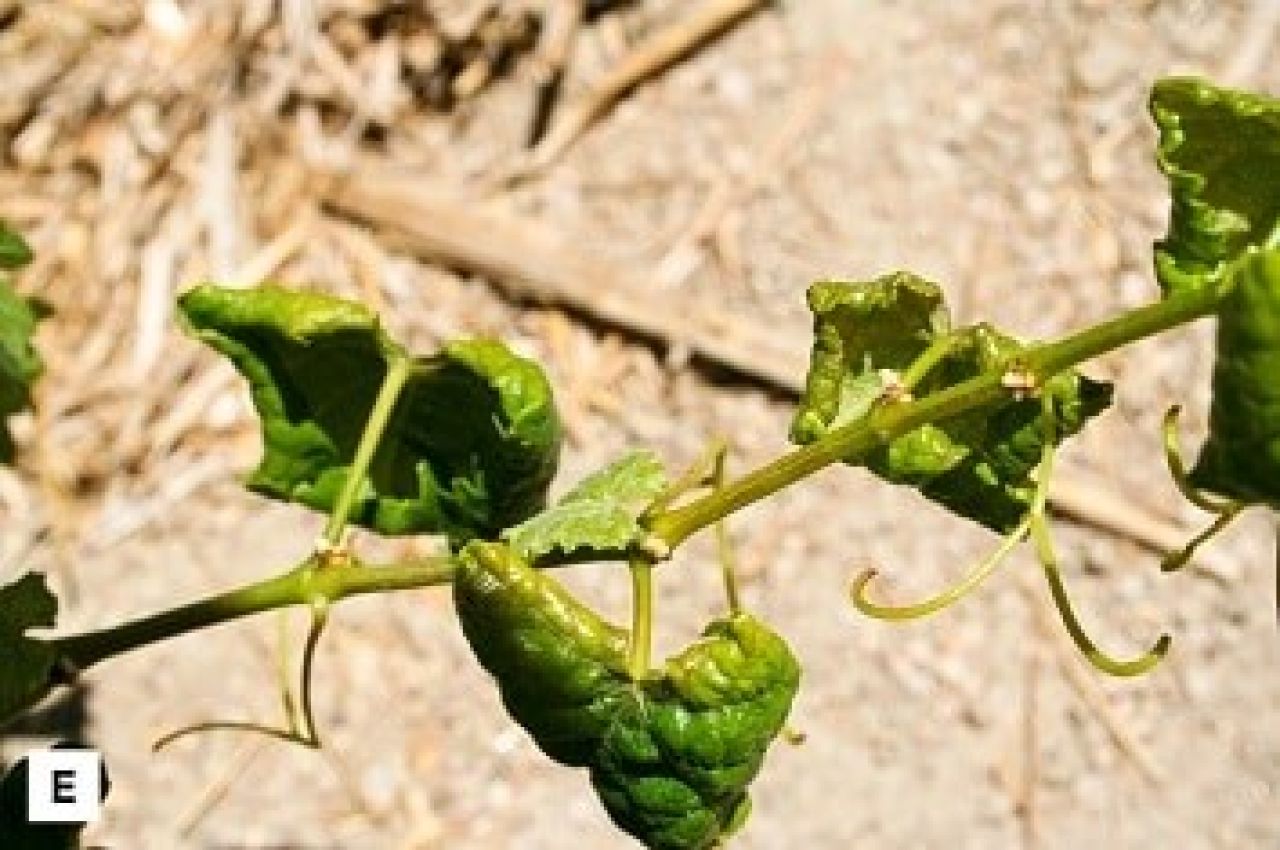
Leaf galls (C & D) and leaf curl (E) caused by mites feeding on the underside of leaves during the growing season. Thick hairs (trichomes) protect the mites and repel pesticide sprays.
Aim
Research, funded by Winetech and Stellenbosch University, aimed to determine whether it is possible to distinguish between the mites causing the different types of symptoms when analysing dormant buds.
Method
Mites were extracted from dormant buds, summer buds and leaf galls. Traditional morphological methods, namely light microscope slides and scanning electron microscope (SEM) imaging, were used for visual descriptions of the mites from the various tissues. DNA was extracted from mites obtained from the different tissues. These genome sequences were compared with each other and with sequences available on the GenBank database to distinguish between genetic groups or species.
Results
The genetic and morphological analyses showed Colomerus vitis is a species complex consisting of at least five species worldwide which can be distinguished genetically, but not morphologically. Three of these species occur in South Africa. They often occur together in the same bud or leaf gall, and it is not possible to associate any one species with a specific symptom.
What does this mean for bud mite control?
- All three species of Colomerus mites overwinter in dormant buds. Bud mite symptoms develop when mite feeding damages the bunch and leaf primordia in the dormant buds. During the growing season, the mites migrate to the new buds that develop on the shoots or to the leaves, where their feeding results in the formation of leaf galls or leaf curl.
- Microscopic analysis of dormant buds remains the only method to confirm the presence of bud mite, since various other factors can also cause malformation of shoots, leaves and bunches, as well as infertile buds.
- Bud analyses cannot determine whether the overwintering mites in the dormant buds will cause bud mite, leaf gall or leaf curl damage.
- Bud analysis, together with the type of symptoms that occurred in the vineyard during the previous season(s) will determine whether control measures will be aimed at preventing bud mite and/or leaf gall damage.
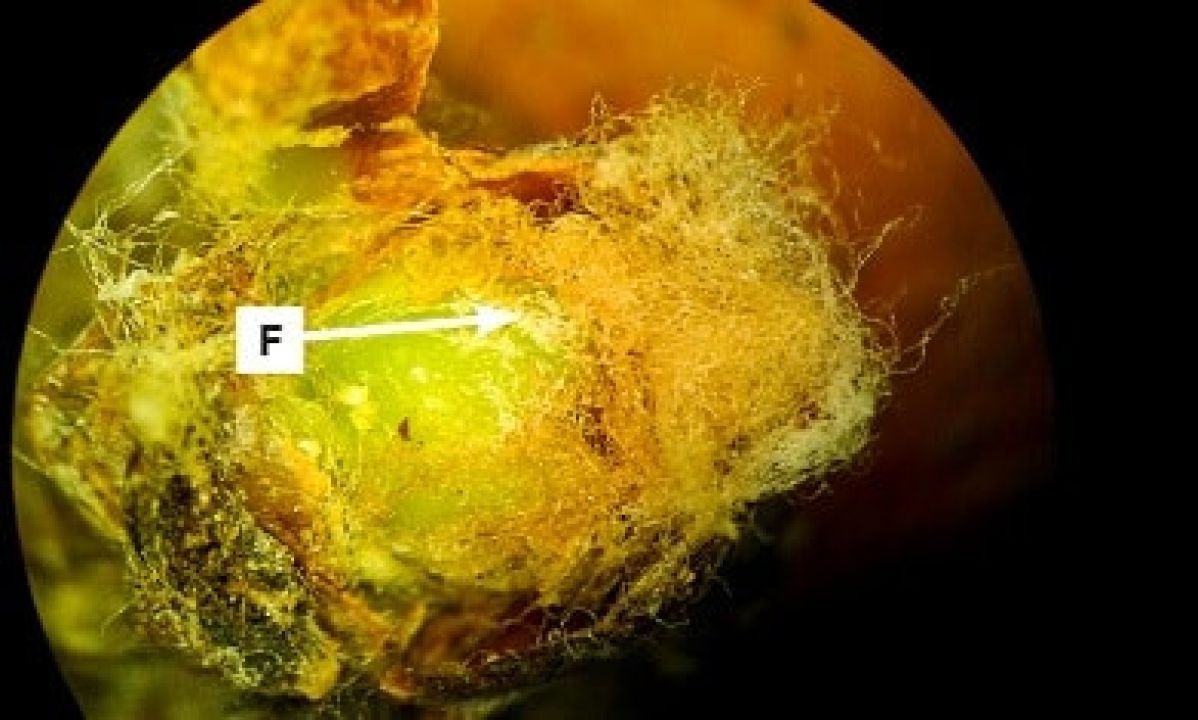
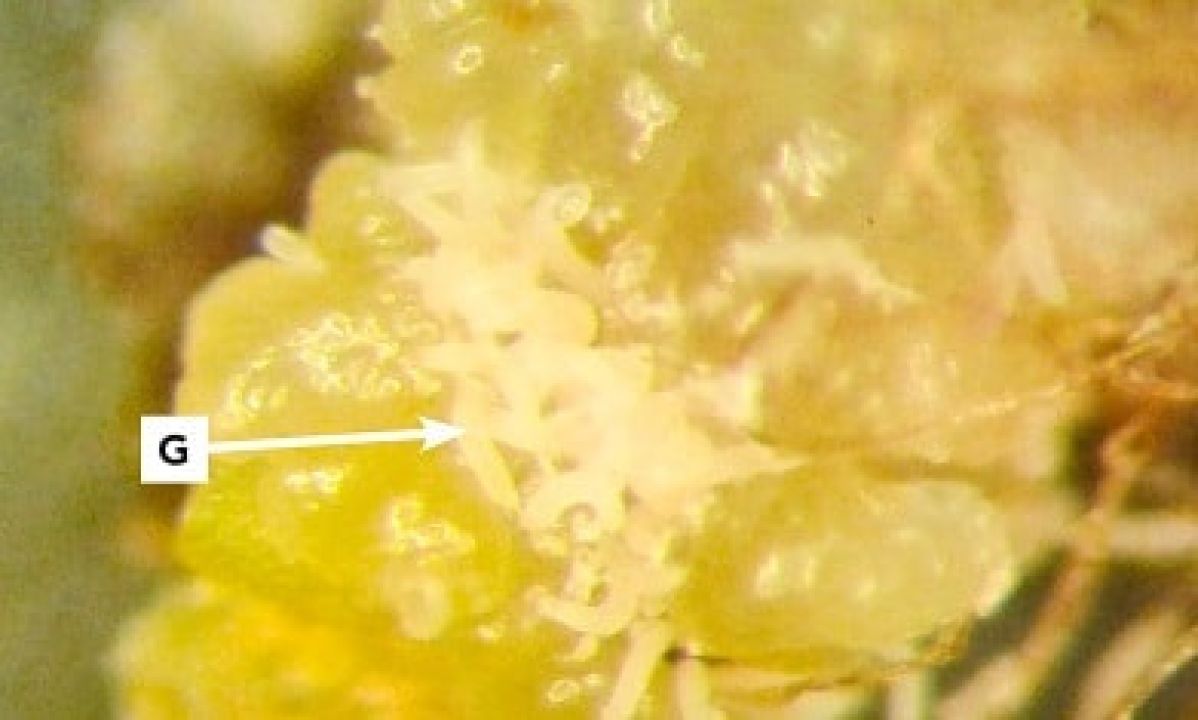
Worm-like Colomerus mites in a dormant bud (F) and on the bunch primordium in the bud (G) are only visible under a microscope.
Treatment for bud mite damage
- Spray applications only target the mites while they migrate from dormant to new buds. Contact miticides do not reach mites inside the buds.
- At least two sprays per season are required, because the mites do not migrate to the new buds all at the same time. Pay attention to the label instructions about the correct timing of sprays.
- If bud analysis shows infestation of ≥50% in a vineyard, control measures should be applied over at least two to three consecutive seasons to achieve satisfactory control.
Treatment for leaf gall damage
- Sulphur suppresses mites and can help to suppress leaf gall and leaf curl damage, but it will not control outbreaks.
- In vineyards where severe leaf gall symptoms occurred in the preceding season, the first spray application is done at 10 cm shoot length to target mites when they migrate from the dormant buds to the new leaves. Pay close attention to the label instructions, because some products should not be applied during flowering.
- If leaf galls are first noticed during the growing season, it is important to apply control before too many hairs (trichomes) develop in die galls, as they will reduce mite exposure to the contact miticides.
Sampling for bud analysis
- Cut shoots before pruning when vines are dormant.
- Cut 12 - 16 shoots distributed through the block (1 - 2 ha) – fewer shoots do not provide adequate representation of mite occurrence and distribution in the block (can miss infested spots).
- Cut shoots back to the first six buds.
- Secure shoots from each block securely – shoots that become detached cannot be assigned to the correct block or sample.
- Place in a plastic bag and keep out of the sun so that buds do not desiccate.
- Keep samples cool (fridge), but do not freeze.
- Mark each bundle of shoots (sample) clearly with the farm name and block number.
- All samples must be accompanied by a completed and signed ARC application form for diagnostic services.
Reference
Saccaggi, D.L., Maboeei, P., Powell, C., Ngubane-Ndhlovu, N.P, Allsopp, E., Wesley-Smith, J. & Van Asch, B., 2022. Towards solving the “Colomerus vitis conundrum”: Genetic evidence reveals a complex of highly diverged groups with little morphological differentiation. Diversity 14, 342. https://doi.org/10.3390/d14050342
– For further information, contact Elleunorah Allsopp at 021 809 3007 or [email protected]. For bud analyses, contact Muriel Knipe at 021 809 3463 or [email protected].
Click here to get your copy of WineLand Magazine and here to subscribe to our newsletter.

More from
Innovation and insights

Packaging under pressure: What wine businesses should be watching
From lighter bottles to automated packing lines, packaging decisions are becoming increasingly important to the cost and competitiveness of South African wine.
How vine water stress shapes grape and wine quality
This study formed part of the South Africa Wine programme “Grapevine production with limited water resources”, and aimed to evaluate how spatial and temporal water stress affects vine physiology, fruit composition and wine quality.
Drought tolerance of different scion cultivars (Part 4): Vegetative growth and yield
The study aimed to assess grapevine vegetative and yield responses in an almost worst-case scenario, i.e. grapevines growing under dryland conditions in sandy loam soil in the Swartland region.