
Thiol-releasing and low VA-forming hybrid wine yeasts
Rodney Hart, Bongani Ndimba and Neil Jolly
· 5 min read
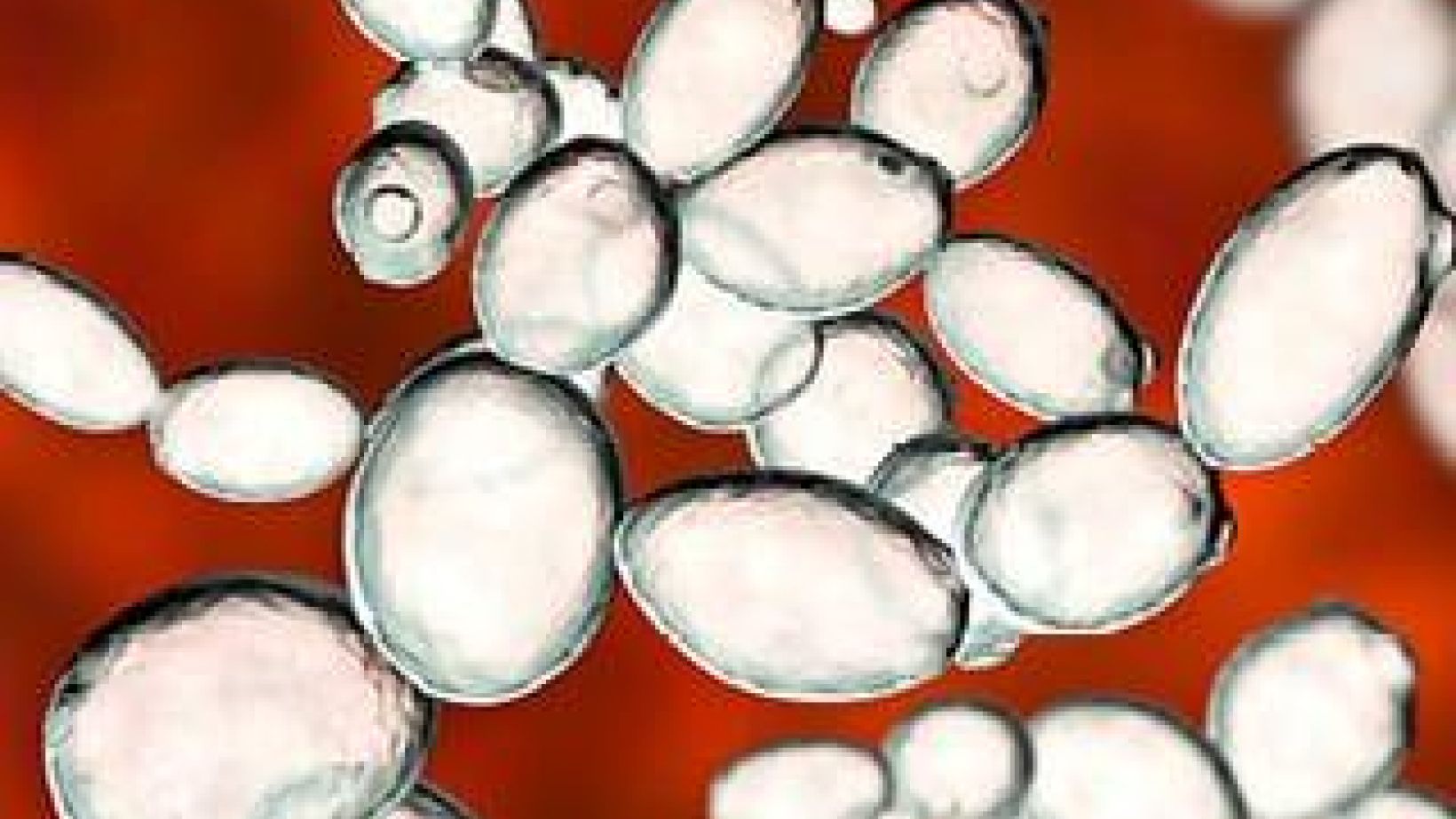
During alcoholic fermentation of grape must, the metabolic activity of Saccharomyces cerevisiae leads to a range of compounds, some of which enhance tropical fruit aroma, e.g. volatile thiols.
Introduction
Two thiols in particular, namely 3-mercaptohexanol (3MH) and 3-mercaptohexyl acetate (3MHA) are the key aroma enhancing metabolites in, especially Sauvignon blanc, and are produced by wine yeasts during fermentation from odourless precursors present in grape juice. On the negative side, some wine yeast strains are implicated in the over-production of undesirable metabolites, e.g. acetic acid. Acetic acid accounts for 90% of volatile acidity (VA) and results in vinegar-like off-flavours in wine. Excessive VA levels in wines will have a negative commercial impact, as these wines will not be marketable. Financial loss can also be incurred by commercial yeast manufacturers, should a commercial wine yeast strain within their portfolio be implicated in excessive VA formation.
Strains of S. cerevisiae vary in their ability to produce and/or release volatile thiols, as well as the unfavourable metabolite, acetic acid. The preferred wine yeast strain for Sauvignon blanc should produce varietal aromatic compounds, without production of undesirable off-flavours. A previous laboratory-scale vinification trial identified a range of intra-genus hybrid yeasts with potential for Sauvignon blanc production. Therefore, this study was undertaken to evaluate these yeasts for the improvement of Sauvignon blanc wine organoleptic quality, with regard to volatile “thiol release” and low VA formation, during small-scale wine production.
Materials and methods
Fourteen intra-genus hybrids were evaluated in small-scale winemaking trials at an ambient temperature of ca. 15°C according to the standard ARC Infruitec-Nietvoorbij protocol. Wines were subjected to chemical analyses after fermentations, as well as gas chromatography and descriptive sensory evaluation three months after bottling. Six commercial wine yeasts, i.e. VIN 7, VIN 13 and N96 (Anchor Wine Yeast, South Africa), Zymaflore VL3, Zymaflore X5 (Laffort Oenologie, France), Fermicru 4F9 (DSM Oenology, Netherlands), as well as the experimental strain P 35, were included as references.
Results and discussion
Chemical analyses showed that four promising hybrids (NH 88, NH 57, NH 56 and NH 48) produced wine with parameters equal to, or better than that of the commercial reference, especially concerning lower VA production. Descriptive sensory evaluation showed that commercial “thiol-releasing” references, Zymaflore X5 and VIN 7, as well as the hybrid NH 57, produced wines with a positive association with tropical fruit aromas, whilst Zymaflore VL3 and Fermicru 4F9 produced wines positively associated with floral and vegetative aromas. The commercial “thiol-releasing” references VIN 13 and the hybrid NH 56 produced wines positively associated with both tropical fruit and vegetative aromas. In contrast, hybrid NH 48, produced wine with a positive association with floral aromas, whilst NH 84 and NH 88 produced wines with prominent tropical aroma with hints of floral aromas.
Commercial references, namely Zymaflore VL3, Fermicru 4F9, VIN 13 and hybrid P 35, produced wines with a desired negative association with total fatty acids, which include acetic acid, the main acid responsible for vinegar-like off-flavours at higher concentrations. The same observation was made with regard to promising hybrids, namely NH 57, NH 84 and NH 88, that also produced wines with prominent tropical fruit aromas. The commercial “thiol-releasing” references, VIN 7, Fermicru 4F9 and strain P 35, produced wines with a positive association with both volatile thiols, 3MH and 3MHA, respectively. The commercial “thiol-releasing” references, VIN 13 and Zymaflore VL3, produced wines positively associated with 3MH, whilst Zymaflore X5 and strain N 96 produced wines positively associated with 3MHA. Overall, 3MH responsible for passion fruit, tropical fruit nuances, were detected at varying levels in above-mentioned wines. It is noteworthy that VIN 7 produced wine with the highest 3MH levels of all commercial references, which was also five times its sensory detection threshold, thus explaining the positive association with tropical fruit aroma. However, 3MH levels in wines produced with hybrids NH 84, NH 56 and NH 88 was even higher than that observed for VIN 7.
Conclusions
Overall, four promising intra-genus hybrids were shown to produce wines with higher volatile thiol levels, as well as a more positive association with tropical fruit aromas and lower total fatty acids than wines produced with the commercial references. These hybrids, therefore, conform to the initial yeast selection criteria set forth in the aims of study, namely enhanced thiol-releasing or tropical fruit aroma wine producing abilities and lower VA formation. These hybrids now need to be evaluated under industrial-scale conditions with a view to potential commercialisation.
Abstract
A single Saccharomyces cerevisiae wine yeast strain produces a range of desirable aroma and flavour metabolites, e.g. volatile thiols, as well as unfavourable metabolites, e.g. volatile acidity, during the alcoholic fermentation of white wine, especially Sauvignon blanc. Small-scale Sauvignon blanc winemaking trials were initiated to evaluate volatile “thiol release” of S. cerevisiae intra-genus hybrid yeasts in comparison to commercial “thiol-releasing” wine yeasts. Four hybrids were identified which showed enhanced thiol-releasing abilities, specifically 3-mercaptohexanol (3MH), and lower acetic acid. These now need to be evaluated under industrial wine production conditions.
Acknowledgements
The authors wish to thank the Agricultural Research Council (ARC) and University of the Western Cape (UWC) for the infrastructure and/or financial support; Anchor Oenology and the NRF/THRIP for financial support; as well as the Wine Technology Subdivision for technical support.
– For more information, contact Rodney Hart at [email protected].

More from
Innovation and insights

Packaging under pressure: What wine businesses should be watching
From lighter bottles to automated packing lines, packaging decisions are becoming increasingly important to the cost and competitiveness of South African wine.
How vine water stress shapes grape and wine quality
This study formed part of the South Africa Wine programme “Grapevine production with limited water resources”, and aimed to evaluate how spatial and temporal water stress affects vine physiology, fruit composition and wine quality.
Drought tolerance of different scion cultivars (Part 4): Vegetative growth and yield
The study aimed to assess grapevine vegetative and yield responses in an almost worst-case scenario, i.e. grapevines growing under dryland conditions in sandy loam soil in the Swartland region.