
Loveblock’s Erica Crawford weighs in on the Sauvignon Blanc issue
· 3 min read
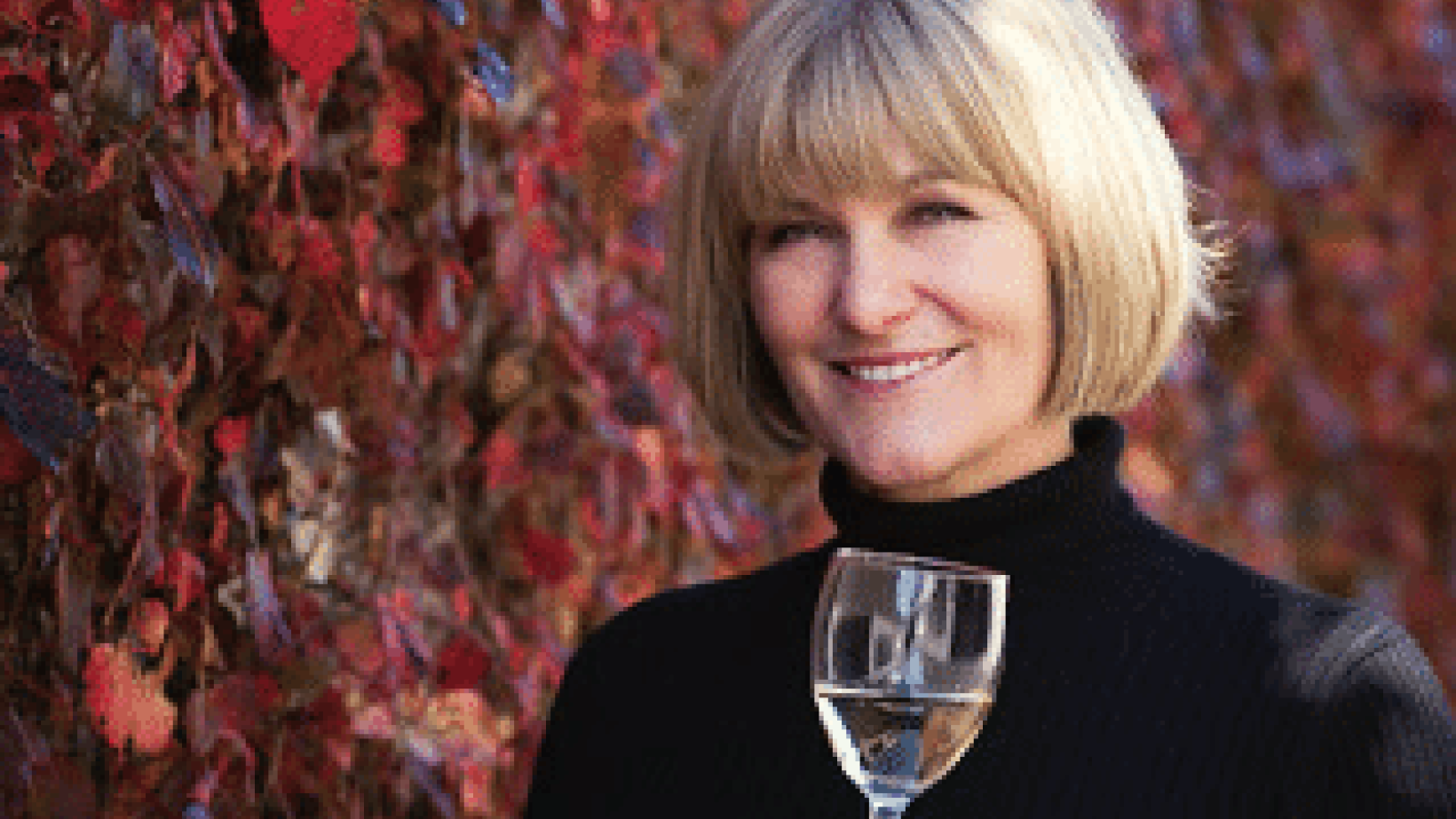
In light of our recent online article ‘Is Sauvignon Blanc a victim of its own success?’, Erica Crawford, founder of New Zealand’s Loveblock Wines, offered her perspective.
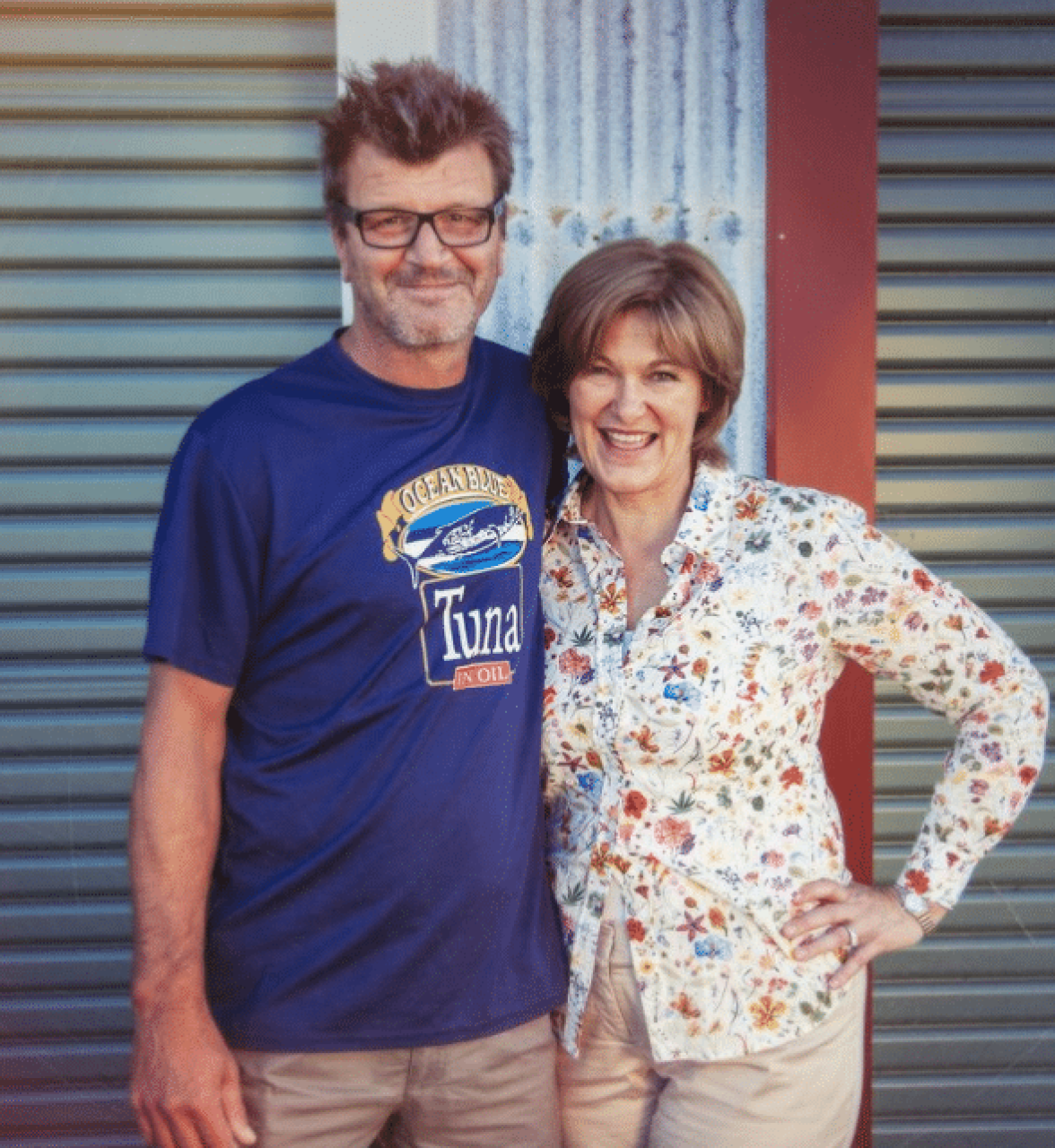
About Erica: Together with her husband Kim, the couple cemented their status as one of New Zealand’s pioneering Sauvignon Blanc producers and have become one of the country’s biggest export brands with Kim Crawford and Loveblock Wines.
Q: While Sauvignon Blanc is enjoying commercial success, it has to work really hard to gain any form of recognition among wine critics in South Africa. How have you managed to maintain value and prestige with your Sauvignon Blanc offerings?
I remember offering Kiwi Sauvvy to US buyers and media during the late 90s and early 2000s. The look of wonder as this flavour explosion hit their palates was something I will remember forever. Marlborough Sauvignon Blanc is lucky enough to have crazy high levels of impact aromatic compounds (methoxypyrazines and thiols). Those flavours are zippy, boisterous and big.
These flavours can be pronounced by manipulation in the vineyard and cellar, like making a tall person taller by putting them in high heels. The result? A big flavour bomb! Today, some producers are moving away from that style, but given the high levels of aromatic compounds, it’s harder than one thinks. Style-wise, we have acid in abundance to counter these big flavours.
I also think Sauvignon Blanc from Marlborough is consistent. While some critics might look down on this aromatic style, it enjoys price points that are considerably higher than the average bottle of wine in all markets, and is only eclipsed by Italy and France in the US. It brings in nearly NZ$2 billion in export value into the New Zealand economy.
When consumers buy New Zealand Sauvignon Blanc, they also buy ‘clean green’ (a strong sustainability position) and a bit of fantasy (Lord of the Rings, Middle Earth). That’s Brand New Zealand. I think South Africa needs to find its voice. I’m born South African, so please don’t stone me when I say this. Also, labour cost in New Zealand is sky high (the minimum wage is $17.50 per hour, and soon to be $20 per hour) that’s R174.50 per hour, so the offering we make must be premium.
Q: Do you think South Africa has to reinvent its Sauvignon Blanc offering, or is it merely a case of wine snobs frowning upon cultural expression that dares to be popular among the general public?
I just think that South Africans should celebrate its Sauvy. It offers everything a wine producer could want from this high-growth category: High consumer demand, good pricing and yes, cash flow (being a farmer is bloody hard!). I have tasted some outstanding Sauvignon Blanc wines in South Africa. In New Zealand, we also have the good, the bad and the ugly. This holds for any varietal. In South Africa, there seems to be a movement to make Sauvignon Blanc ‘anything-but-New-Zealand-style’ which is fine because Marlborough is unique in its chemical makeup. It is what it is.
I went through a similar phase where I didn’t drink Sauvignon Blanc. There was too much flavour coming at me and it was a bit two-dimensional. But as I evolved, I have fallen head over heels with the style all over again. I challenge anyone to call Sauvignon Blanc wines, like Cloudy Bay Te Koko, Dog Point Section 94 or Greywacke Wild, simplistic. A complex style can most certainly come from this varietal. These wines retail at $40 (R650) in the US and £30 in the UK (R600-R620). The big question is: Shouldn’t we respect the consumer more?

More from
People, community and tourism
The Portrait of a South African Winemaker
In James Joyce's A Portrait of the Artist as a Young Man, Stephen Dedalus resolves to express himself "as freely as I can and as wholly as I can". Joyce's hero refuses to be just one thing. That same many-sided energy is increasingly being asked of the modern South African winemaker, who has to adopt different faces for different places.
Who will drink South African wine tomorrow?
Tomorrow’s wine drinker is already here, standing at the braai with a can in one hand and a phone in the other. South African wine still has time to join the occasion, although it may need to loosen its collar first.
Ice in the Chenin and other South African wine crimes
There is ice in the Chenin Blanc, Cap Classique in an ordinary wine glass and a bowl of curry waiting beside a bottle of something pink. By old wine standards, the afternoon is a small crime scene.