
Hoe om herlewingslandbou te laat leef
'n Twee-dag sessie deur WIETA and Stronger Together South Africa op etiese leierskap vir kelders, plase en handelsmerke by Lourensford en Du Kloof Lodge het insigte oor herlewingsboerdery opgelewer.
· 5 min read
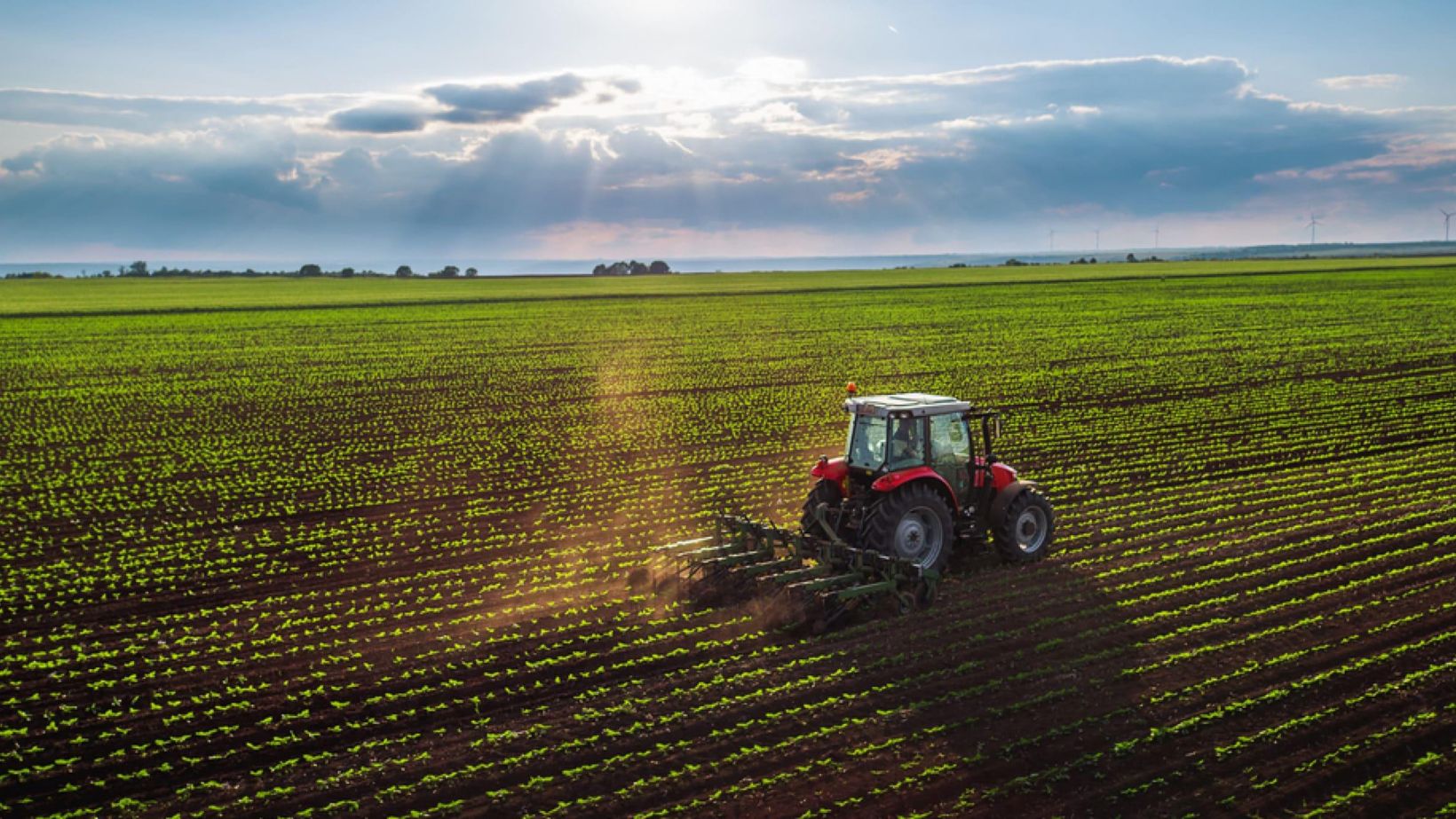
Herlewingslandbou is ’n sakebesluit wat belegging en nuwe vaardighede verg, met moontlik laer opbrengste voordat voordele soos gesonder grond, laer insetkoste en groter weerbaarheid realiseer. Die aanvanklike koste en risiko’s kom dikwels eerste; laer insetkoste, markgeleenthede en moontlike koolstofinkomste volg later, wat steun en samewerking deur die hele waardeketting noodsaaklik maak. Betroubare data help om resultate te beoordeel en ingeligte beleggingsbesluite te neem.
Summary written by AI from this article. The full article is under “Deep dive”.
Listen to this article· 7 min
Passage 1 of 7
Read aloud by an AI voice. The words are the article’s own, nothing is summarised or translated.
Tydens die Nedbank-mediageleentheid by die onlangse NAMPO Kaap het een boodskap duidelik deurgekom: As ons wil hê herlewingslandbou moet van beperkte aanvaarding na grootskaalse implementering beweeg, sal die gesprek moet verander.
Die oorgang van tradisionele na herlewingslandbou is in wese ’n sakebesluit. Dit verg nuwe toerusting en insette, nuwe vaardighede en ander maniere van boer. In sommige gevalle kan opbrengste aanvanklik daal voordat die voordele van gesonder grond, laer insetkoste en meer veerkragtigheid begin realiseer.
Vir ’n boer wat daagliks die gevolge van weerstoestande, insetpryse, rentekoerse en markdruk moet bestuur, maak dié aanvanklike onsekerheid ’n groot verskil. As die landbousektor ernstig is oor herlewingslandbou, moet ons dus ’n ander vraag vra: Hoe kan ons boere help om die oorgang suksesvol te maak?
Die voordele is daar
Herlewingslandbou hou baie voordele vir boere in, maar die waarde daarvan verskil van plaas tot plaas en hang van elke boerdery se unieke omstandighede af.
Die eerste voordeel is marktoegang. Verbruikers wil toenemend weet waar hulle kos vandaan kom en hoe dit geproduseer word. Terselfdertyd fokus kleinhandelaars en ander deelnemers in die waardeketting al hoe meer op die impak wat hulle voorsieningskettings op die omgewing het. Boere wat kan wys dat hulle verantwoordelike boerderypraktyke volg, sal waarskynlik beter toegang tot markte en nuwe geleenthede hê.
Die tweede voordeel is laer insetkoste. Wanneer boere minder van kunsmis, plaagdoders, brandstof en ander insette van buite afhanklik is, kan dit met verloop van tyd help om koste te verlaag. Dit beteken nie uitgawes gaan oornag aansienlik daal nie, maar dit skep wel die moontlikheid vir meer doeltreffende en weerbare produksiestelsels.
Die derde voordeel is ’n moontlike ekstra bron van inkomste. Wanneer herlewingspraktyke help om koolstofvrystellings te verminder of koolstof uit die atmosfeer te verwyder, kan boere moontlik geld uit koolstofmarkte verdien. Die proses verg wel betroubare data en sertifisering, en dit kan ’n paar jaar neem voordat boere hulle eerste betaling ontvang. Tog is dit ’n geleentheid wat die moeite werd is om te ondersoek.
Laastens is daar weerbaarheid. Boerdery word al hoe meer deur veranderende weerstoestande geraak. Praktyke wat grond gesond hou en water beter benut, help boere om uitdagings soos droogtes en ander klimaatsverwante risiko’s beter te hanteer.
Hierdie voordele is betekenisvol, maar kom nie noodwendig op dieselfde tyd as die oorgangskoste nie. Boere moet dikwels eers die koste van verandering dra voor hulle die vrugte daarvan pluk.
Die oorgang rus nie net op boere se skouers nie
Dit is waar die sogenaamde J-kurwe van die oorgang belangrik is. Die koste en risiko’s kom gewoonlik eerste en die voordele eers heelwat later. ’n Boer kan vandag nuwe praktyke instel en selfs vir ’n tyd lank laer opbrengste lewer. Die voordele, soos laer insetkoste, meer weerbaarheid, nuwe markgeleenthede en ekstra inkomste, volg egter dikwels eers later.
As boere al die aanvanklike risiko’s alleen moet dra, sal minder boere die oorgang maak. Daarom is ondersteuning vanuit die hele waardeketting so belangrik.
Die oorgang na herlewingslandbou gebeur nie oornag nie. Dit verg tyd, doelgerigte belegging en ’n goeie begrip van elke plaas se unieke omstandighede. Boere moet ook die moontlike korttermynimpak op kontantvloei en opbrengste in ag neem. Nedbank bied finansiële oplossings wat boere help om die oorgang suksesvol te bestuur en sterker boerderye vir die toekoms te bou.
Kleinhandelaars en ander rolspelers in die mark kan boere ondersteun met advies, tegniese ondersteuning en beter markttoegang. Hulle kan ook die risiko van die oorgang verminder deur vooraf ooreen te kom om sekere volumes produkte aan te koop. Dit gee boere groter sekerheid oor toekomstige vraag terwyl hulle nuwe herlewingspraktyke begin toepas.
Tegnologie- en insetverskaffers het ook ’n belangrike rol om te speel. Hulle kan boere help om beter sin te maak van inligting oor hul grond, reënval en boerderystelsels. Hulle kan ook die regte produkte en praktyke identifiseer wat die beste by elke boerdery se oorgang pas.
Die regering en bedryfsliggame moet ook saamwerk om dit makliker te maak vir boere om die ondersteuning wat hulle nodig het te kry.
Goeie data is die grondslag van vooruitgang
Een van die belangrikste boodskappe uit die gesprek was dat goeie data ’n sleutelrol in die sukses van herlewingslandbou speel. Betroubare data is noodsaaklik vir toegang tot koolstofmarkte, omdat aansprake oor koolstof deur geloofwaardige bewyse ondersteun moet word. Maar die waarde daarvan strek veel verder.
Goeie data help boere om te bepaal of nuwe praktyke die gewenste resultate lewer. Dit help ook finansierders en kleinhandelaars om boerderye beter te verstaan en vordering met meer vertroue te beoordeel. Boonop help dit boere om ingeligte besluite te neem oor waarin hulle hul tyd, geld en hulpbronne moet belê.
Dit gaan dus nie net daaroor om te bewys dat ’n boerdery volhoubaar is nie. Dit help ook om die boerdery beter te verstaan, belegging aan te moedig en die besigheid toekomsbestand te maak.
Herlewingslandbou is ’n gesamentlike verantwoordelikheid
Herlewingslandbou kan boerderye teen toekomstige uitdagings beskerm en dit meer volhoubaar maak. Maar, as ons wil hê dat meer boere die oorgang moet maak, kan die verantwoordelikheid nie net by hulle lê nie. Die toekoms van herlewingslandbou berus op die steun en samewerking van die hele waardeketting.
One message came through clearly at the Nedbank media event at the recent NAMPO Kaap: If we want regenerative agriculture to move from limited adoption to widespread implementation, the conversation will have to change.
The transition from conventional to regenerative agriculture is essentially a business decision. It requires new equipment and inputs, new skills and different ways of farming. In some cases, yields may initially decline before the benefits of healthier soil, lower input costs and greater resilience begin to materialise.
For a farmer who has to manage the effects of weather conditions, input prices, interest rates and market pressure every day, that initial uncertainty makes a big difference. So, if the agricultural sector is serious about regenerative agriculture, we need to ask a different question: How can we help farmers make the transition successfully?
The benefits are there
Regenerative agriculture offers many benefits to farmers, but its value varies from farm to farm and depends on the unique circumstances of each farming operation.
The first benefit is market access. Consumers increasingly want to know where their food comes from and how it is produced. At the same time, retailers and other participants in the value chain are paying ever closer attention to the environmental impact of their supply chains. Farmers who can demonstrate that they follow responsible farming practices are likely to have better access to markets and new opportunities.
The second benefit is lower input costs. When farmers rely less on fertiliser, pesticides, fuel and other external inputs, this can help reduce costs over time. This does not mean expenses will fall significantly overnight, but it does create the possibility of more efficient and resilient production systems.
The third benefit is a possible additional source of income. When regenerative practices help reduce carbon emissions or remove carbon from the atmosphere, farmers may be able to earn money from carbon markets. The process does require reliable data and certification, and it may take a few years before farmers receive their first payment. Even so, it is an opportunity worth exploring.
Lastly, there is resilience. Farming is increasingly affected by changing weather conditions. Practices that keep soil healthy and make better use of water help farmers cope more effectively with challenges such as droughts and other climate-related risks.
These benefits are significant, but they do not necessarily arrive at the same time as the costs of transition. Farmers often have to bear the cost of change before they reap the rewards.
The transition does not rest on farmers’ shoulders alone
This is where the so-called J-curve of the transition becomes important. The costs and risks usually come first, with the benefits following much later. A farmer may introduce new practices today and even experience lower yields for a while. The benefits, such as lower input costs, greater resilience, new market opportunities and additional income, often only follow later.
If farmers have to bear all the initial risks alone, fewer of them will make the transition. That is why support from across the entire value chain is so important.
The transition to regenerative agriculture does not happen overnight. It takes time, targeted investment and a good understanding of the unique circumstances of each farm. Farmers must also take the potential short-term impact on cash flow and yields into account. Nedbank offers financial solutions that help farmers manage the transition successfully and build stronger farms for the future.
Retailers and other market players can support farmers with advice, technical support and better market access. They can also reduce the risk of the transition by agreeing in advance to purchase certain volumes of produce. This gives farmers greater certainty about future demand as they begin to adopt new regenerative practices.
Technology and input suppliers also have an important role to play. They can help farmers make better sense of information about their soil, rainfall and farming systems. They can also identify the right products and practices to best suit each farm’s transition.
Government and industry bodies must also work together to make it easier for farmers to get the support they need.
Good data is the foundation of progress
One of the key messages from the discussion was that good data plays a crucial role in the success of regenerative agriculture. Reliable data is essential for accessing carbon markets, because claims about carbon must be supported by credible evidence. But its value extends much further.
Good data helps farmers determine whether new practices are delivering the desired results. It also helps financiers and retailers understand farms better and assess progress with greater confidence. What’s more, it helps farmers make informed decisions about where to invest their time, money and resources.
So it is not just about proving that a farming operation is sustainable. It also helps farmers understand their business better, encourage investment and make it fit for the future.
Regenerative agriculture is a shared responsibility
Regenerative agriculture can protect farms against future challenges and make them more sustainable. But if we want more farmers to make the transition, the responsibility cannot rest with them alone. The future of regenerative agriculture depends on the support and cooperation of the entire value chain.
default dark left fullTranslated from the Afrikaans by AI. The Afrikaans article is the original.

More from
People, community and tourism

From vineyard to spa: Why Pinotage is more than just a wine grape
In our print feature, Heavenly Scent, we explored the spa experience at Healing Earth Wellness at Laborie Estate. But that experience starts long before you step into the treatment room. It starts in the vineyard. So why Pinotage? What is it about this proudly South African grape that has earned a…
Vyf vrae met Hendrien de Munck
Wynmaak lyk van buite na ’n romantiese beroep, maar agter elke bottel skuil ure se harde werk, besluite en toewyding. Hendrien de Munck, wynmaker van Maia Wines, deel haar perspektief op die realiteit van wynmaak, kreatiwiteit in die kelder en waarom sy glo daar is nog groot potensiaal vir…
Five questions with Liandra Kotzé
“Consumers haven’t stopped loving wine. They’ve changed how they choose it.” Wine marketers spend a great deal of time asking how to sell more wine. According to Vinimark Brand Portfolio Director Liandra Kotzé, the better question is whether we’re listening closely enough to the people we’re…