
Business Process and Technology Perfectly Blended: Optimising SA Wine Businesses Through Integration
The South African wine business contributes significantly to the country’s economy, generating billions of rands and employing thousands of people.
· 4 min read

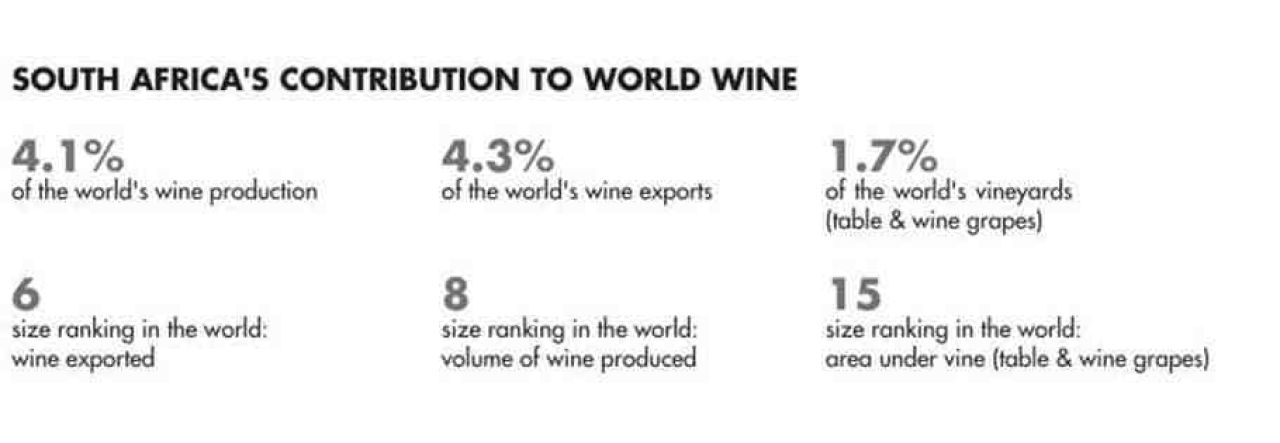
It is also known for its rich history, unique terroirs (or “taste of place”), and great wine quality.
However, the South African wine sector has faced several issues in recent years, including climate change, growing input costs, loadshedding, and increased competition from other wine-producing countries.
South African winemakers must adopt new technologies and increase their efficiency to remain competitive. One method for increasing efficiencies is to seamlessly integrate the various technologies employed by each winery. This includes wine financial management systems, winemaking systems, inventory management systems, sales and marketing systems, and customer relationship management (CRM) systems.
This integration of different systems across the entire wine manufacturing and distribution process is critical to the success of any process-led industry, such as the wine industry.
These are the key integration areas for wine businesses to focus on:
1. Simplify Operations
South Africa’s wine industry is complicated, encompassing different processes ranging from vineyard management and grape harvesting to winemaking and distribution. Typically, each stage relies on distinct systems, resulting in inefficiencies and data silos.
The integration of these systems allows for a continuous flow of information between them. As a result, manual data entry, delays, and errors are reduced. This increases production and allows wineries to focus their resources on more strategic tasks.
2. Improve Data Accuracy
The wine industry depends on accurate statistics. Wineries rely on accurate data on aspects such as grape quality, fermentation temperatures, distribution logistics, and inventory levels. Data is regularly updated and shared across all stages of production with integrated, interoperable systems. This eliminates data inconsistencies, which might lead to quality issues or inventory shortages.
3. Enhance Decision-Making
Following on from data accuracy is the requirement for quick judgments in the fast-paced business of wine production and distribution. Only interconnected systems can make real-time information visible across the whole business process.
Best-in-class cloud solutions (like Sage Intacct) make integration easier through open APIs and also support storing of other business data. This allows business leaders to have better and broader insights across their entire organisation. Wineries, for example, can make more informed judgments about harvesting periods, production plans, prospective crop yields, projected demand, and pricing strategies. In a highly competitive market, this agility can make or break you.
4. Maintain Regulatory Compliance
An aspect that takes a huge chunk of time is compliance with local and international regulations related to the wine industry. Winemakers can track their products from the vineyard to the bottle thanks to system integration and interoperability.
Furthermore, by monitoring and storing data pertinent to labelling, traceability, and chemical analysis, these integrated systems can automate compliance activities. This decreases the likelihood of noncompliance and the resulting legal and financial implications. It also reduces the manual resource costs generally associated with the compliance procedure.
5. Improve the Customer Experience
Wine buyers nowadays are more picky than ever. They anticipate transparency and information about the things they buy. Wineries can provide complete information about the wine’s journey from vine to bottle using integrated systems, including vineyard conditions, production procedures, and sustainability measures. This transparency can aid in the development of trust and brand loyalty.
Winemakers can also improve customer service by linking their CRM systems with other systems. They can, for example, use data to track customer preferences and offer personalised marketing communications.
6. Integrate Supply Chain Management
The wine industry is strongly reliant on a complicated supply chain comprised of vineyards, wineries, distributors, and retailers. Integration and interoperability with supplier systems ensure that information flows seamlessly throughout the supply chain, reducing bottlenecks and delays. This results in more efficient distribution, better-negotiated prices, lower costs or stock loss, and, ultimately, improved market positioning.
Final words
The South African wine sector is already making strides in integrating and interoperating various technologies. Several wineries, for example, use integrated vineyard management systems and integrated winemaking systems. However, more effort remains to be made to achieve full integration and compatibility.
It is apparent, however, that South African wine enterprises may increase their efficiency, decision-making, traceability, and customer service by integrating and interoperating different systems. Not only will this assist the wine business in being globally competitive, but the winemaker will also be able to cut expenses, increase product quality, and uncover chances for innovation.
By Jeff Ryan, MD for AWCape, a Sage Platinum business partner for HR, payroll and financial solutions

More from
Markets, business and trade

Does Government know what it’s costing you?
A decision made in Pretoria can change the way a wine business operates. But who makes sure the people making those decisions understand what happens on the ground? South Africa Wine’s Jordyn Goeieman takes us inside the often unseen work of influencing the policies that affect the industry.

All roads lead to Wine Paris
With professionals from more than 169 countries attending Wine Paris in 2026, the exhibition has become an increasingly important meeting point for the global wine trade. Nicolas Cuissard, Director of Wine Paris, speaks to WineLand about the exhibition’s growing international influence, opportunities for South African producers and what it takes to turn participation into business.

Before you bottle it, can you sell it?
A good wine and an attractive label are not enough to build a sustainable business. South Africa Wine’s Phil Bowes explains why finding customers, testing assumptions and understanding the numbers should come before committing to a new wine brand.