
Consumer central
· 3 min read


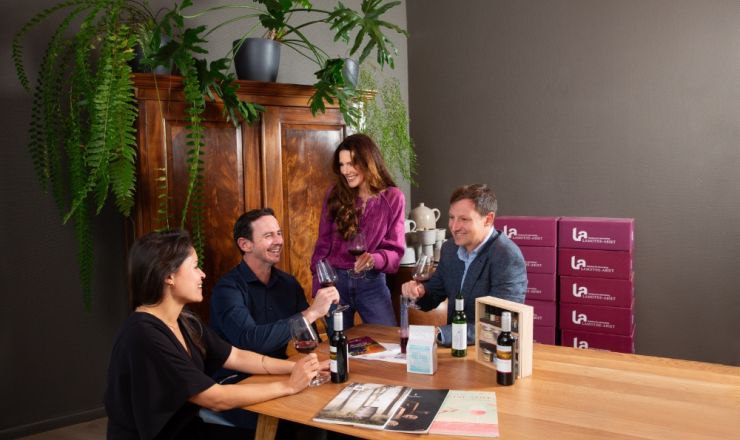
Knowing the hearts and minds of South Africans is at the core of a new marketing strategy. Do you buy a specific toothpaste because of how it’s made or what’s in it? No, you buy it because you like the confidence that comes with fresh breath. Similarly, consumers are interested in what your wine will do for them. Using a consumer-centred approach, the South African wine industry’s new local marketing strategy aims to make wine the liquor beverage of choice. This includes increasing responsible wine consumption among South Africans to 525 million litres by 2025 and growing in terms of value.
Consumer and market experts Nicky van Hille from The Moss Group, Ursula Cooper from FutureMe and Craig Irving from the Consumer Insight Agency shared their views at two recent Wine Industry Strategic Exercise (Wise) domestic wine market sessions.
Grow the pie
All wine businesses will benefit from growing the wine category as a whole and have an important role to play in adopting the strategy. Close on 14.7 million South Africans are older than 18, but only 14% of them drink wine, leaving a huge untapped market. Fostering category loyalty among existing wine drinkers is equally important. The strategy therefore aims to enrol new entrants and take existing market share from other categories such as beer and spirits.
Sell the experience
“Wine is not that different from any other product or service,” Nicky says. “You won’t make money because you’ve made a wonderful wine in a beautiful environment and put tremendous passion behind it. You’ll make money because the consumer wants it. Plan all your processes around this.”
Wine has the potential to address various need states but currently focuses mainly on discernment, status, contentment and affiliation. States such as release, independence, control and care can also easily be addressed by leveraging wine’s differentiators. “Coke doesn’t tell you what it tastes like and what went into making it; it tells you how you’ll feel when drinking it,” Ursula says. “Think about why, where and when your consumer will engage with your product and how they’ll experience it.”
Enrol, simplify, innovate
Many potential new consumers view wine as a complicated, intimidating category that they don’t understand. An enrolling strategy involves creating opportunities for consumers to engage with wine in a way they can relate to rather than educating them on how to drink it. Alternative routes to market are being investigated, while a proposed simplified tiered pricing system will aim to reduce consumer confusion. This strategy, along with innovation in packaging, labelling and sensory aspects, will contribute towards making wine more accessible.
Ready, set, go!
“The local marketing strategy is currently in its first phase, which entails adapting the WOSA’s (Wines of South Africa) existing international positioning and aligning it to the local domestic market specific needs,” says Platform5’s Carlen Wahl, who has been commissioned to drive phase one. “Once this phase has been completed development plans and budgets will be allocated and marketing tools developed.”

More from
Markets, business and trade

How research is changing the wine we drink
Wine research starts long before the bottle reaches the shelf. It gives producers a better understanding of what happens in the vineyard and cellar, while providing evidence for decisions that can affect the wine consumers eventually drink.
Precision Fermentation: Biotech to balance Flavours, Acid and Alcohol
As warmer vintages widen the gap between ripeness and freshness, a new generation of selected yeasts lets winemakers rebalance wine during fermentation, not after.
WBWE – a global business barometer
If you want to understand where the global wine industry is heading, don’t look only at retail shelves or export statistics. Look at what is happening in the bulk wine market.