
Dealing with fire
· 5 min read
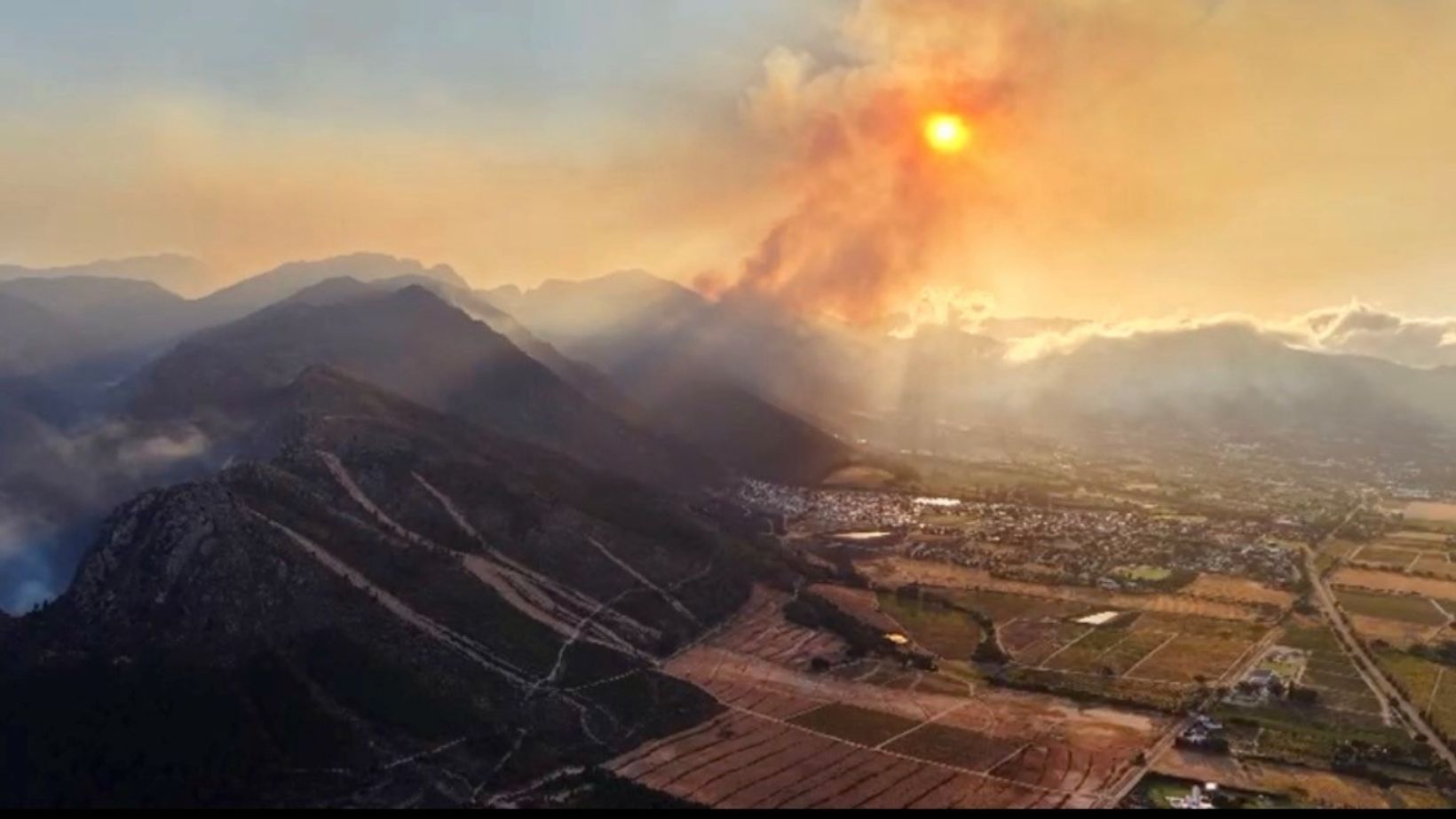
This year’s fire season has again brought trepidation, sleepless nights, and destruction to the Cape winelands and beyond. Although wildfires are to be expected, and seasonal fires have always been a feature of the Cape winelands, their impact on businesses and people is not so natural.
The United Nations Office for Disaster Risk Reduction (UNDRR) puts it bluntly: the phrase ‘natural disaster’ is a misnomer. Hazards, such as earthquakes, fires or floods are natural, but disasters are not. The message is that disasters always involve human exposure and vulnerabilities, which can be addressed.
La Motte
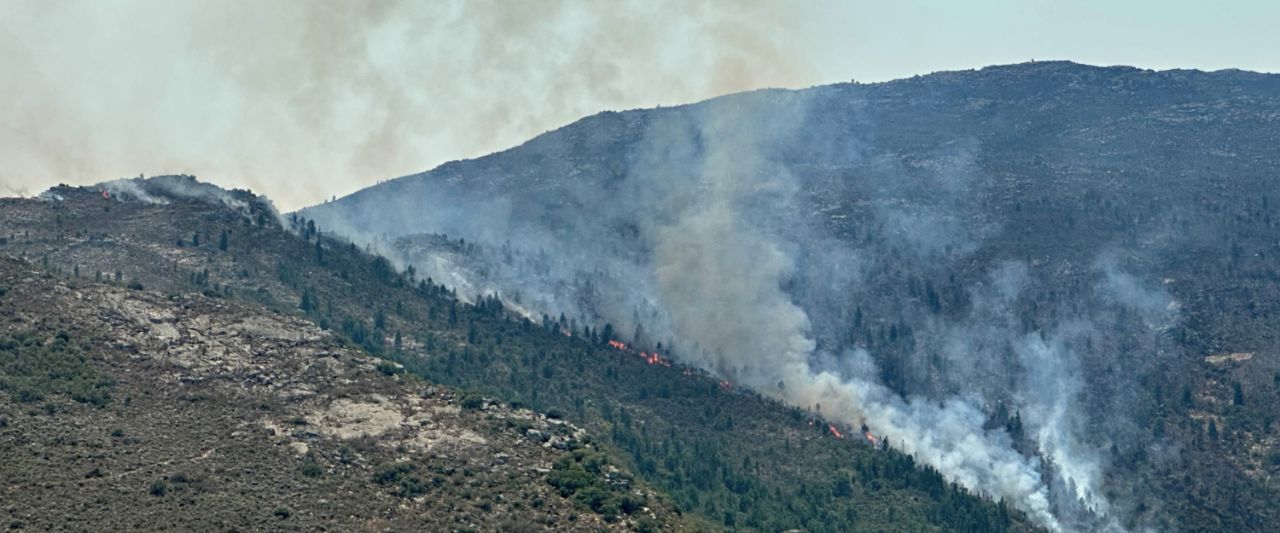
La Motte cellar master Edmund Terblanche says this season’s fires have been particularly threatening, affecting more areas and farms than in other years. “The season started very well with very few fires, but the more it dried out, the bigger the risk became,” he says. “In January, the fires suddenly started everywhere and burned very quickly because of drought and winds that often changed directions. It was the first time in 22 years that La Motte was in real danger of fire damage.”
Preparation is already a habit in this part of the world. “The farmers and fire brigade authorities have meetings before the seasons and discuss reaction plans in the case of fires,” Edmund says. “La Motte will, as part of its biodiversity management plan, cut open fire breaks regularly while fire equipment is checked, serviced and maintained.
“We also belong to the FBA (Fire Brigade Association), workers go on fire extinguisher courses, and the necessary insurance cover will be in place, for example to make provision for helicopters in serious cases.”
Avondale
At Avondale, preparations include routine clearing of alien vegetation from their biodiversity corridors and mountainside. “We also clear our fire breaks and roads around our vineyards,” says owner Johnathan Grieve. “Our firefighting equipment is serviced and on standby.”
Johnathan also points to the dry season and prevailing winds as culprits behind the breach of these measures this year. “We believe the gale-force wind and its change of direction at a critical time really influenced the speed and ferocity of the fire.”
Despite their efforts, the wildfires left what Johnathan calls a “charred moonscape” of blackened soil, ash, skeletal tree trunks, soil damage and extensive loss of indigenous fauna and flora in their wake. The farm has lost over 30% of its vineyards, as well as irrigation systems and irrigation networks, vineyard wiring and fencing, pumps, poles, machines, and infrastructure.
Smoke
Apart from the increased risk of direct damage to livelihoods, vineyards, and infrastructure, wildfires also pose the serious risk of smoke taint.
“Smoke taint is a concern when vineyards are downwind from the fire or when the fire reaches into the vineyards,” Edmund says. “Whenever we can see or smell smoke near the vineyards, there is a risk.”
Smoke taint is the result of volatile phenols that attach themselves to the leaves and berries. Phenols are released into the air when lignin in wood burns. These phenols can enter the berry and react with grape sugars. Fermentation will release these compounds, making them noticeable as unpleasant aromas such as ashtray and rubber.
“These compounds need to exceed a certain threshold to be noticeable,” Edmund says. “Our experience is that you need a relatively big concentration of smoke in the vineyards for this threshold to be reached.”
Detection and mitigation
Farms would typically harvest some of the grapes and send a juice sample to a laboratory for analysis of these volatile phenols (VP). The results will confirm the presence of these phenols, as well as their concentration. The lab can indicate whether grapes are under or above the noticeable threshold.
Research has led to the creation of guidelines for handling smoke-tainted grapes, such as blending or techniques to minimise volatile phenol extraction during winemaking or maximising the release of VPs from glycosylates and removing them from the wine to avoid later release.
Other treatments that have proven effective at removing VPs include reverse osmosis (relatively expensive), activated charcoal (which strips out a lot of other components, including colour), and yeast hulls (which are not as efficient at removal, but have shown some interesting results).
A recent report compiled by South Africa Wine RDI highlights several strategies to reduce the effects of smoke taint:
- Harvest & handling: Hand-harvest and handle gently to minimise skin breakage. Smoke-taint compounds are concentrated in skins.
- Rinsing: If permitted, rinse harvested grapes with cold high-pressure water to remove ash/smoke particles; allow to drain and dry.
- MOG removal: Remove leaves and other MOG, which contain higher smoke compounds and enhance green characters.
- Cool processing: Process grapes cold (~10 °C) to reduce extraction.
- Limit skin contact (whites): Use whole-bunch pressing, separate press fractions, and add only glycosidase-free enzymes after pressing.
- Limit skin contact (reds): Short maceration; avoid cold soak, extended maceration, and extraction enzymes.
- Fining: Activated carbon (often with bentonite) can remove volatile phenols but may strip colour in reds.
- Yeast choice: Use fast-fermenting, aroma-enhancing yeasts without glycosidase or colour-absorbing activity; maintain yeast health.
- Avoid MLF: MLF can release and enhance smoke phenols; if unavoidable, use non-glycosidase starter cultures only.
- Wine style: Consider rosé production from suspect fruit due to reduced skin contact and no MLF.
- Oak & tannin: Oak alternatives or tannins may help mask smoke characters short-term, though long-term effects are uncertain.
- Remedial treatments: Reverse osmosis/adsorption can remove smoke compounds but also strip fruit and oak aromas.
- Blending: Do not blend untreated smoke-tainted wines; masking effects diminish over time and taint can re-emerge.
- Marketing: Release for early consumption, as smoke characters may intensify with bottle age.
If off-flavours are detected in grapes resulting from recent wildfires, the guidelines outlined can be followed. The full report can be downloaded here.
Support
The damage caused by wildfires has been extensive and heartbreaking, not only because of the loss of crops and assets, but also because these farms are custodians of nature. Keep an eye out for campaigns that aim to rebuild and replant what has been lost, so that their important conservation of indigenous flora and fauna can continue.
With continued effort, the industry can invest in resilience, thereby reducing the risk this serious hazard poses to people, business and the environment.

More from
Markets, business and trade

How research is changing the wine we drink
Wine research starts long before the bottle reaches the shelf. It gives producers a better understanding of what happens in the vineyard and cellar, while providing evidence for decisions that can affect the wine consumers eventually drink.
Precision Fermentation: Biotech to balance Flavours, Acid and Alcohol
As warmer vintages widen the gap between ripeness and freshness, a new generation of selected yeasts lets winemakers rebalance wine during fermentation, not after.
WBWE – a global business barometer
If you want to understand where the global wine industry is heading, don’t look only at retail shelves or export statistics. Look at what is happening in the bulk wine market.