
Diemersdal’s maiden Winter Ferment Sauvignon Blanc a big hit
Winter Ferment
· 3 min read
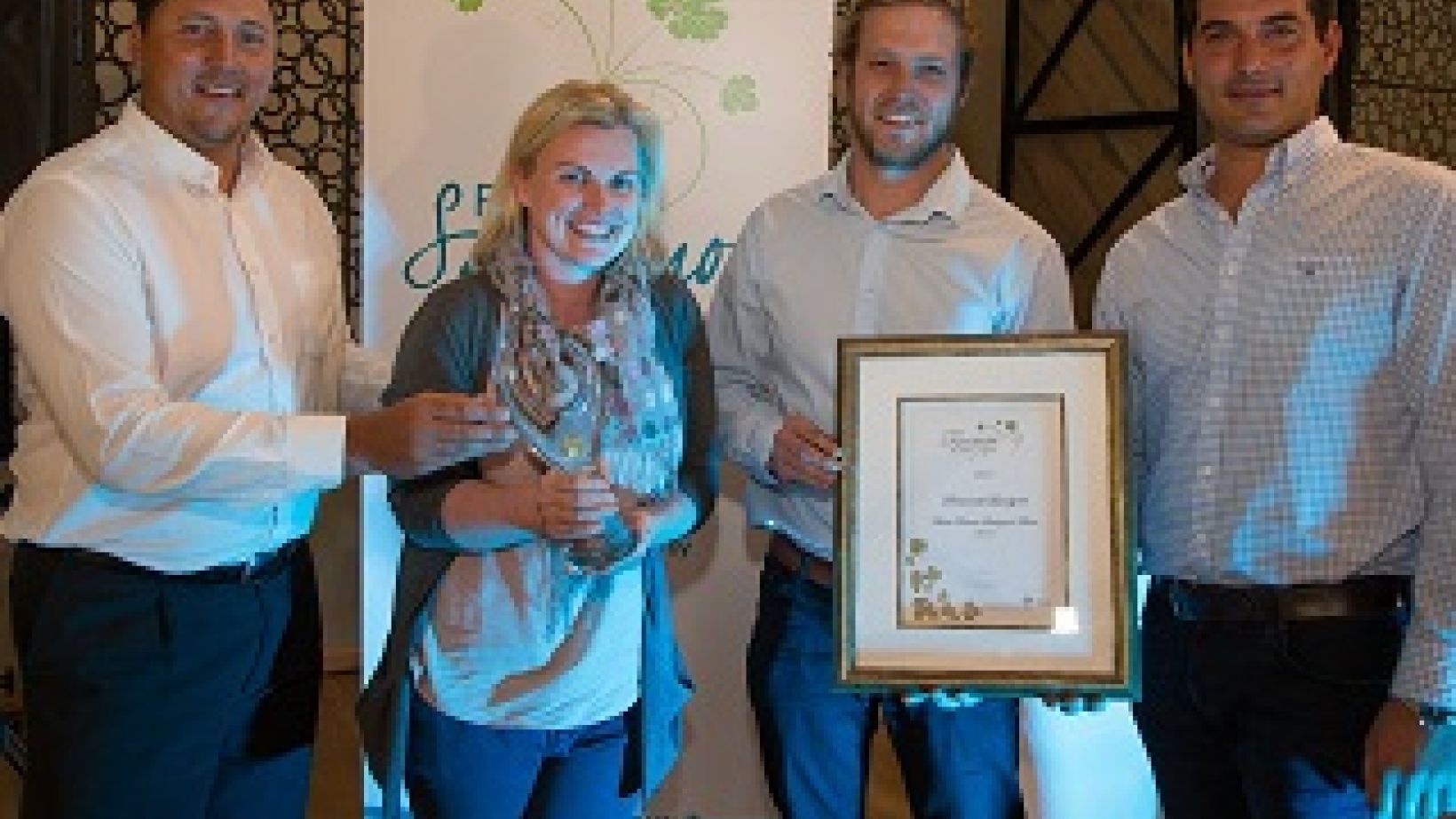
The ground-breaking Winter Ferment Sauvignon Blanc has delivered the third major accolade for Diemersdal Estate, the pioneering Sauvignon Blanc producer from Durbanville.
Winter Ferment 2017 has now added a FNB Top 10 Sauvignon Blanc Award to an impressive array of achievements this year including the Sauvignon Blanc Trophy at the South African National Young Wine Show, as well as Double Gold at the recent Veritas Wine Awards.
Diemersdal Winter Ferment is made using a revolutionary wine-making process where the Sauvignon Blanc juice is frozen during the harvest in February and then thawed five months later after which it is fermented to produce a wine with exceptional tropical flavours.
“The FNB Sauvignon Blanc Top 10 is a very special award as it is the only one committed to honouring the finest Sauvignon Blancs in South Africa,” says Thys Louw, cellarmaster at Diemersdal. “Close on 200 wines were judged this year, and to make it among the Top 10 is a highlight for any producer of wine in this category, the most popular white wine segment of the South African wine industry. The award is deserved recognition for the winery team’s spirit of innovation and commitment to quality, while underscoring our belief that Durbanville has the ideal climate and soil compositions to produce world-class Sauvignon Blanc.”
Louw added that 2017 has proved to be an “absolutely brilliant year” for Sauvignon Blanc, with some of the best quality wines he has ever seen emerging from of his sixth generation owned family estate.
“The dry, warm winter was followed by a hot Spring, and conditions were not looking all that favourable for quality Sauvignon Blanc, especially seeing as Diemersdal’s signature is making wines from dryland vineyards exclusively,” says Louw. “A healthy dollop of rain in December cooled things down and got water down to the soils. Having a large clay component, cool and damp soils were ensured for the rest of the 2017 vintage. Add the mild conditions we had during harvest, and quality of Sauvignon Blanc was one of the best I have ever seen in my time on the farm.”
Winning a FNB Sauvignon Blanc Top 10 Award is of particular importance due to the fact that this represents the most popular consumer wine in South African today, and therefore the most competitive white wine category.
“The reason the consumer likes the variety, is because it is easy to understand,” says Louw. “When buying a bottle of Sauvignon Blanc, whether it costs R60 or R600, there is going to be an element in that wine to which the wine drinker can relate, something in the flavour profile he or she can understand… freshness, balance between fruit and acidity, a pleasure to drink.”
Louw says that that Sauvignon Blanc has the potential to make major inroads for South African wine into export markets, especially the sought-after American market.
“The global demand for and awareness of Sauvignon Blanc is at an all-time high,” he says. “In South Africa Sauvignon Blanc outsells other white varieties three-to-one. Already South Africa exports 21 million litres of Sauvignon Blanc in packaged form, and with our recognition for world-class Sauvignon Blanc growing, we have the chance to increase this exponentially and make a real global mark – not only for Sauvignon Blanc, but also for Brand South Africa.”

More from
Markets, business and trade

How research is changing the wine we drink
Wine research starts long before the bottle reaches the shelf. It gives producers a better understanding of what happens in the vineyard and cellar, while providing evidence for decisions that can affect the wine consumers eventually drink.
Precision Fermentation: Biotech to balance Flavours, Acid and Alcohol
As warmer vintages widen the gap between ripeness and freshness, a new generation of selected yeasts lets winemakers rebalance wine during fermentation, not after.
WBWE – a global business barometer
If you want to understand where the global wine industry is heading, don’t look only at retail shelves or export statistics. Look at what is happening in the bulk wine market.