
Distell to supply sanitisers to vulnerable communities
· 2 min read
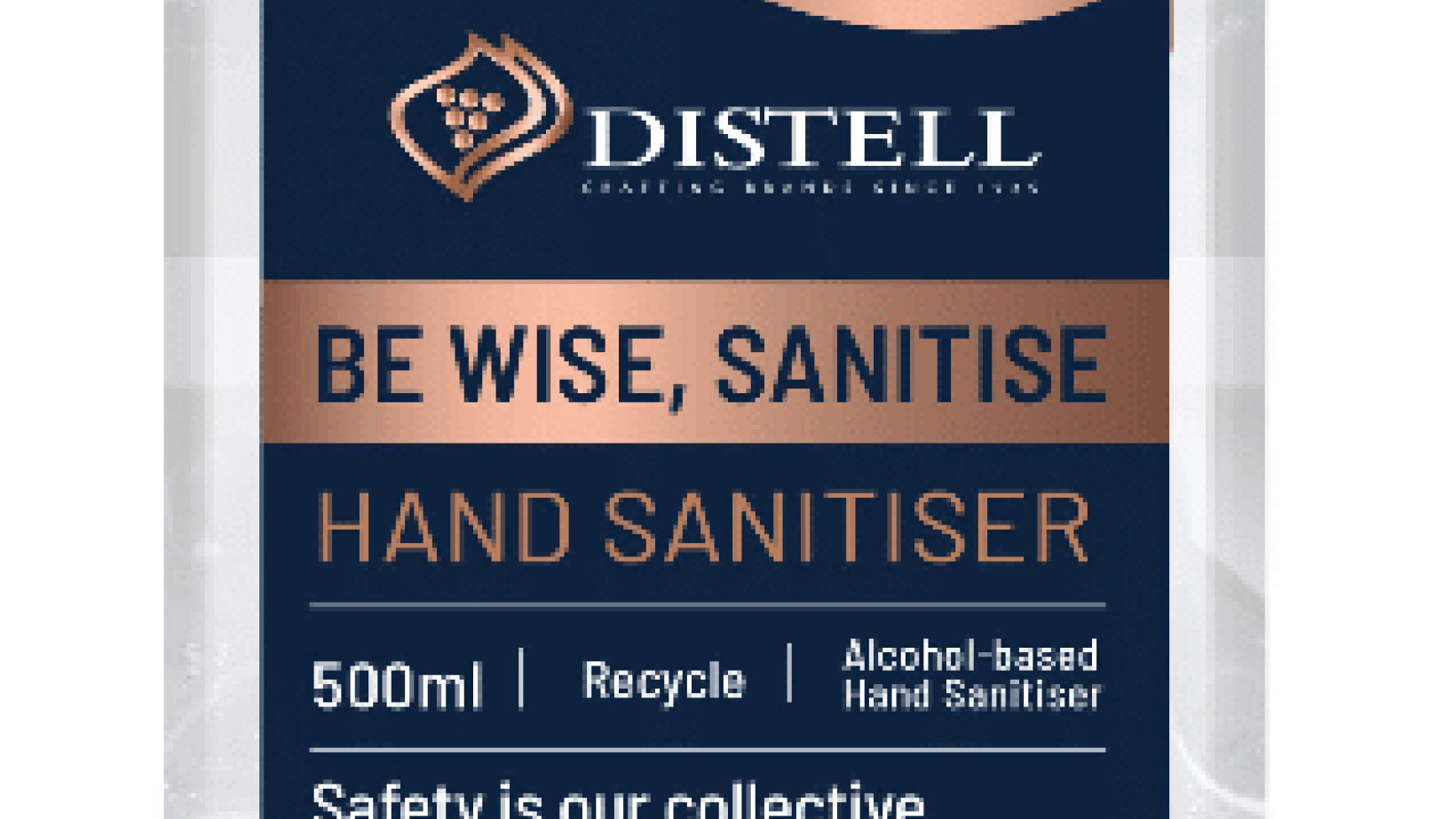
Distell, Africa’s leading producer and marketer of spirits, fine wines, ciders and ready-to-drinks (RTDs), today announced that it will begin producing hand sanitisers and other hygienic products at its production facilities as part of its efforts to help curb the spread of the coronavirus (COVID-19) pandemic.
“Our priority as Distell – right now and always – is the safety and well-being of our employees, our stakeholders and society at large. We are determined to support our government in its bid to halt the current rapid spread of COVID-19 and in the absence of a vaccine, good hygiene remains one of the most effective options to do so,” says Richard Rushton, Distell Group CEO.
As a result, the company has committed 100 000 litres of alcohol, which will be used to produce sanitisers as well as a variety of other hygienic and sanitising products.
The sanitisers will be distributed free to vulnerable communities across South Africa as a way to encourage good hygiene practices. The company will work closely with Government to identify these communities, and support the roll-out of the sanitisers.
The company said it recognised there was an acute shortage of pure alcohol to produce hand and surface sanitisers, which are desperately needed in hospitals and households.
“We fully understand that our position as a leading player in the alcoholic beverages industry comes with a societal obligation. We want communities to benefit from our presence and we are determined to rise to the challenge,” said Rushton.
The company has taken further measures to ensure it supports the government-sanctioned lock-down by cancelling all events, closing all its experiential and product tasting facilities until further notice and ensuring that all employees who are not involved in the production of alcohol work from home. All company-sponsored travel has been halted.
Additionally, Distell is empowering its employees with relevant information on personal hygiene and has made sanitisers available to all employees at its sites across the world.
“This pandemic is perhaps the greatest challenge our country has faced since democracy and calls on business, the private sector and communities to work together to overcome the virus. We hope everyone will heed the President’s call to remain united and adhere to the lockdown, for all our sakes, but especially to protect the most vulnerable,” said Rushton.

More from
Markets, business and trade

Does Government know what it’s costing you?
A decision made in Pretoria can change the way a wine business operates. But who makes sure the people making those decisions understand what happens on the ground? South Africa Wine’s Jordyn Goeieman takes us inside the often unseen work of influencing the policies that affect the industry.

All roads lead to Wine Paris
With professionals from more than 169 countries attending Wine Paris in 2026, the exhibition has become an increasingly important meeting point for the global wine trade. Nicolas Cuissard, Director of Wine Paris, speaks to WineLand about the exhibition’s growing international influence, opportunities for South African producers and what it takes to turn participation into business.
Before you bottle it, can you sell it?
A good wine and an attractive label are not enough to build a sustainable business. South Africa Wine’s Phil Bowes explains why finding customers, testing assumptions and understanding the numbers should come before committing to a new wine brand.