
Dragonfly: Stellenbosch-based agri-satellite ready for space
· 3 min read
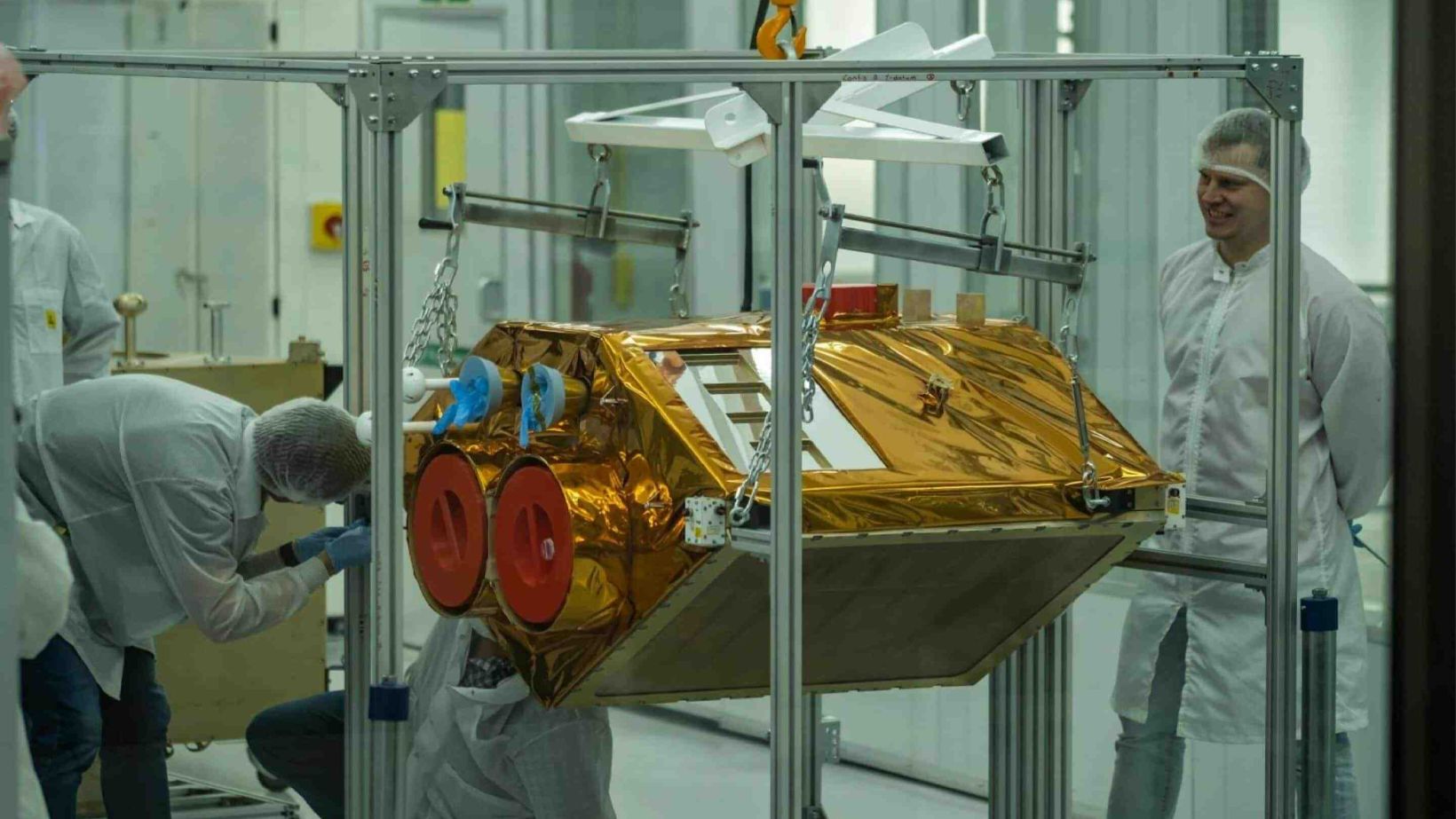
Stellenbosch-based Dragonfly Aerospace’s world’s first agri-focused satellite heads to US as it prepares for December launch.
EOS SAT-1, the first imaging satellite to be built by Dragonfly Aerospace, will soon leave the 3 000 m² Dragonfly Aerospace design and manufacturing facility in Stellenbosch, South Africa, as it heads to SpaceX’s launch site in Cape Canaveral, Florida for pre-launch testing ahead of the Transporter-6 mission scheduled to launch in December.
The satellite will form the first of a seven-satellite constellation in low Earth orbit for customer EOSDA (EOS Data Analytics). The remaining six satellites of the constellation will be deployed over the next three years.
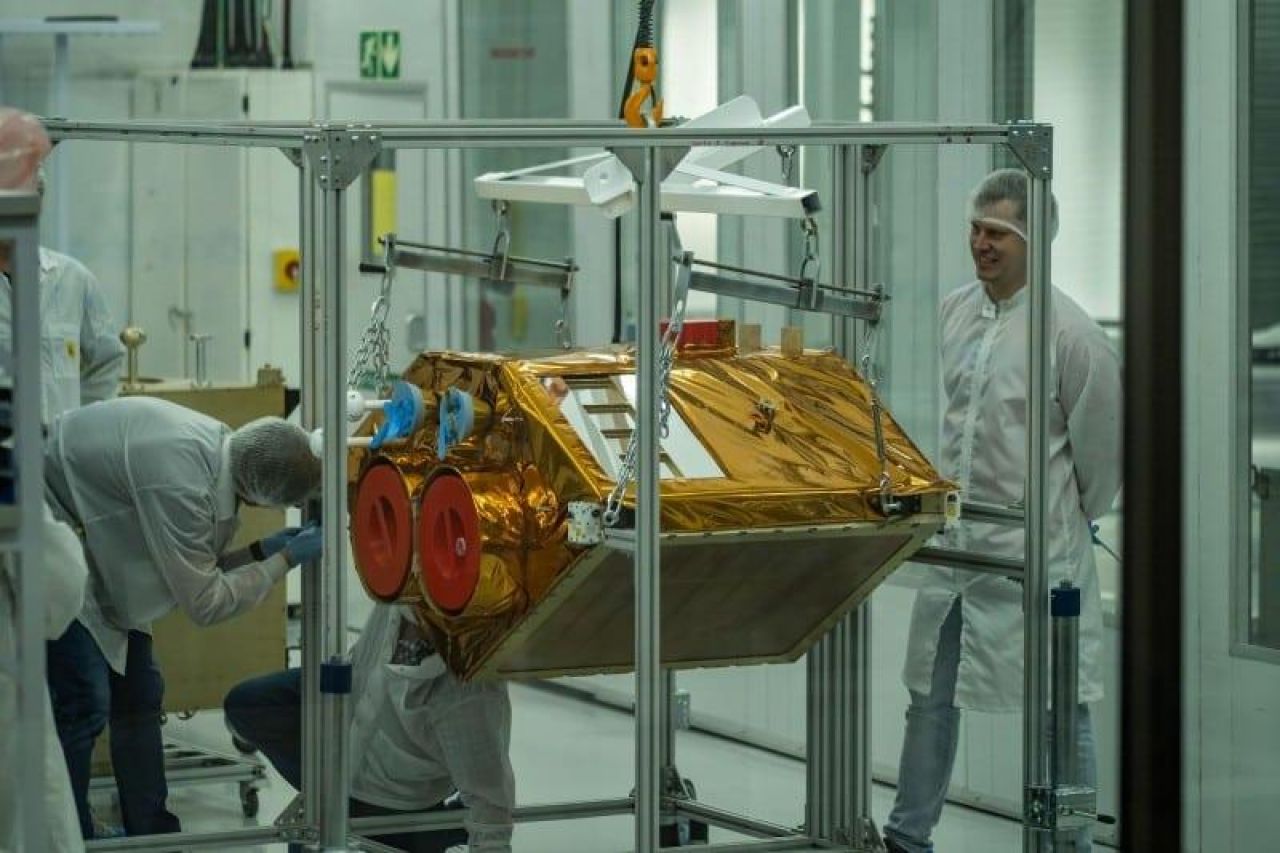
EOS SAT will be the world’s first agriculture-focused satellite constellation providing the agriculture and forestry industry with high-quality data to support efficient and sustainable practices.
Images obtained from Dragonfly’s EOS SAT-1 will deliver valuable information for harvest monitoring, application mapping, seasonal planning and assessments that analyse information such as soil moisture, yield prediction and biomass levels.
This data will support growers with reducing carbon dioxide emissions and help them to develop sustainable agricultural methods without financial losses.
Such information will have important environmental benefits for the planet and help prevent natural habitats from being diminished for crop growth.
Equipped with two DragonEye electro-optical imagers, EOS SAT-1 will provide 44km swath panchromatic and multispectral imagery across 11 spectral bands at close to 1m resolution – making it one of the most powerful satellites in LEO.

Bryan Dean, CEO and co-founder of Dragonfly Aerospace, says, “This is a key moment for Dragonfly Aerospace and we are thrilled to be delivering EOS SAT-1 with a number of firsts – the first imaging satellite designed and built by Dragonfly, the first to be manufactured in South Africa since 2009, the first satellite of the EOS SATconstellation and the first agri-focused constellation in space.
“This has been an important project for our whole team and has allowed us to demonstrate our capabilities, not just in producing high-performance electro-optical imagers, but in designing and manufacturing a full imaging satellite system,” says Dean.
“It’s an amazing feeling to see EOS SAT-1 leave our premises and take the next step in its journey to delivering crucial data that will have important environmental benefits for our planet.”
“We look forward to supporting EOSDA with its mission to launch the next six satellites by 2025.”
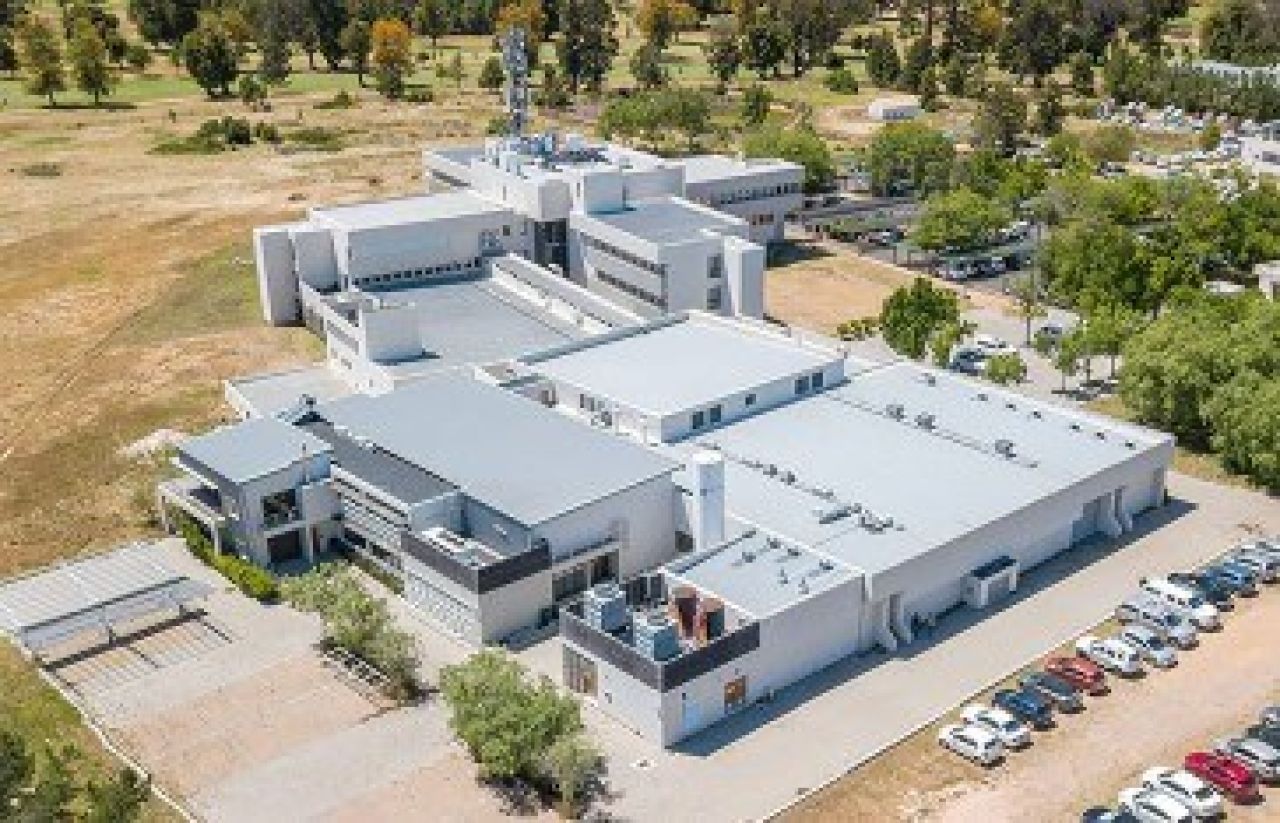
About Dragonfly Aerospace
Dragonfly Aerospace is the leading provider of earth-observation optical payloads and satellite platforms.
It was founded in 2019 by a group of experienced aerospace engineers led by CEO Bryan Dean and is based in Stellenbosch, South Africa.
It has a state-of-the-art 3 000 m² design and manufacturing facility and is a proven global provider of space technology hardware. Dragonfly’s extensive customer base includes EOS Data Analytics, NanoAvionics, Spire, UKRI, ZfT, EnduroSat, Loft Orbital, and Pixxel.
The company’s highly experienced team have been at the forefront of South Africa’s uniquely successful aerospace industry since the launch of the country’s first earth-observation satellite in 1999, through to the most recent satellite launch in 2018 and imager launch in 2022. Team members have worked on every South African micro-satellite mission.
Click here to get your copy of WineLand Magazine and here to subscribe to our newsletter.

More from
Markets, business and trade

How research is changing the wine we drink
Wine research starts long before the bottle reaches the shelf. It gives producers a better understanding of what happens in the vineyard and cellar, while providing evidence for decisions that can affect the wine consumers eventually drink.

Precision Fermentation: Biotech to balance Flavours, Acid and Alcohol
As warmer vintages widen the gap between ripeness and freshness, a new generation of selected yeasts lets winemakers rebalance wine during fermentation, not after.
WBWE – a global business barometer
If you want to understand where the global wine industry is heading, don’t look only at retail shelves or export statistics. Look at what is happening in the bulk wine market.