
Impact of interest rate cut positive for Agriculture
· 2 min read

The recent cut in interest rates, coupled with a reduction in petrol prices and a stronger Rand, while marginal, will go a long way to provide relief to farmers who are currently struggling considering the tough economic environment.
Paul Makube, Senior Agricultural Economist at FNB Business says, the current reduction in interest rates coupled with the possibility of further cuts later in 2020 if GDP growth rebounds and inflation remains contained, will have a positive impact on profit margins - as it improves the farmers’ ability to service loans. The South African Reserve Bank (SARB) recently cut the repo rate by 25 basis points to 6.5%, citing the deteriorating growth outlook in 2019, the relatively tamed inflation and a moderation in inflation expectations.
Harvesting is currently in full swing in the summer grain and oilseed areas and a lot of fuel is utilized including the transportation to the country’s silos. Moreover, as we approach a new agricultural season those with cash on hand will consider stocking up, by buying fuel in bulk, as there is no guarantee that prices will remain stable due to exchange rate and global oil price volatility. It is expected that farmers will, weather permeating, raise the planted area in the new season following a 5% contraction during the 2018/19 production season.
A further benefit for farmers who are currently experiencing cash flow constraints is the overall impact of a decline in crude oil prices on the entire agricultural value chain as inputs such as fertilizer, herbicides and pesticides are derivatives of crude oil.
Makube says the recent strength in the rand exchange rate will have a positive impact on input prices in the sector as it lowers the prices of imported inputs such as fertilizer, pesticides, and herbicides. Fertilizer and fuel are the major inputs in crop production particularly grains and account for approximately 35% and 11% of total variable costs.

More from
Markets, business and trade

How research is changing the wine we drink
Wine research starts long before the bottle reaches the shelf. It gives producers a better understanding of what happens in the vineyard and cellar, while providing evidence for decisions that can affect the wine consumers eventually drink.

Precision Fermentation: Biotech to balance Flavours, Acid and Alcohol
As warmer vintages widen the gap between ripeness and freshness, a new generation of selected yeasts lets winemakers rebalance wine during fermentation, not after.
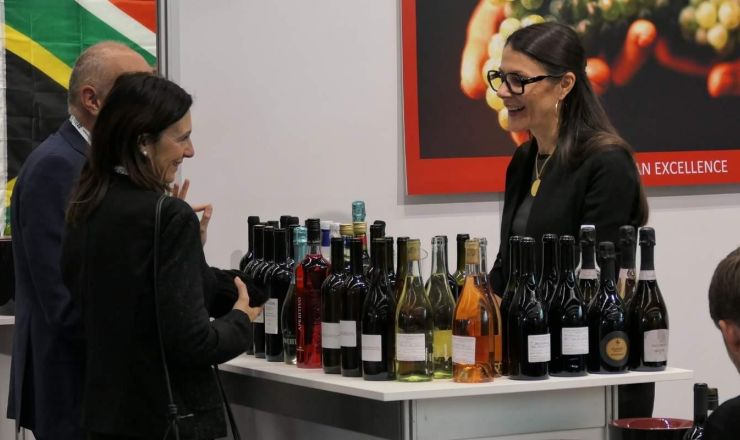
WBWE – a global business barometer
If you want to understand where the global wine industry is heading, don’t look only at retail shelves or export statistics. Look at what is happening in the bulk wine market.