
Paris is calling. Again.
Wine Paris has become one of the important dates on the global wine calendar. For South Africa, being there matters. But being there with a plan matters more.

· 4 min read
Wine Paris returns from 15 to 17 February 2027, and last year showed why it matters to South Africa. South African wines attracted interest in Chenin Blanc, Pinotage, regionality and terroir-driven styles, but buyers scrutinised price, margins and sustainability evidence. The article urges exhibitors to prepare meetings and make their commercial proposition clear, while WineLand follows the road to Paris.
Summary written by AI from this article. The full article is under “Deep dive”.
Listen to this article· 5 min
Passage 1 of 5
Read aloud by an AI voice. The words are the article’s own, nothing is summarised or translated.
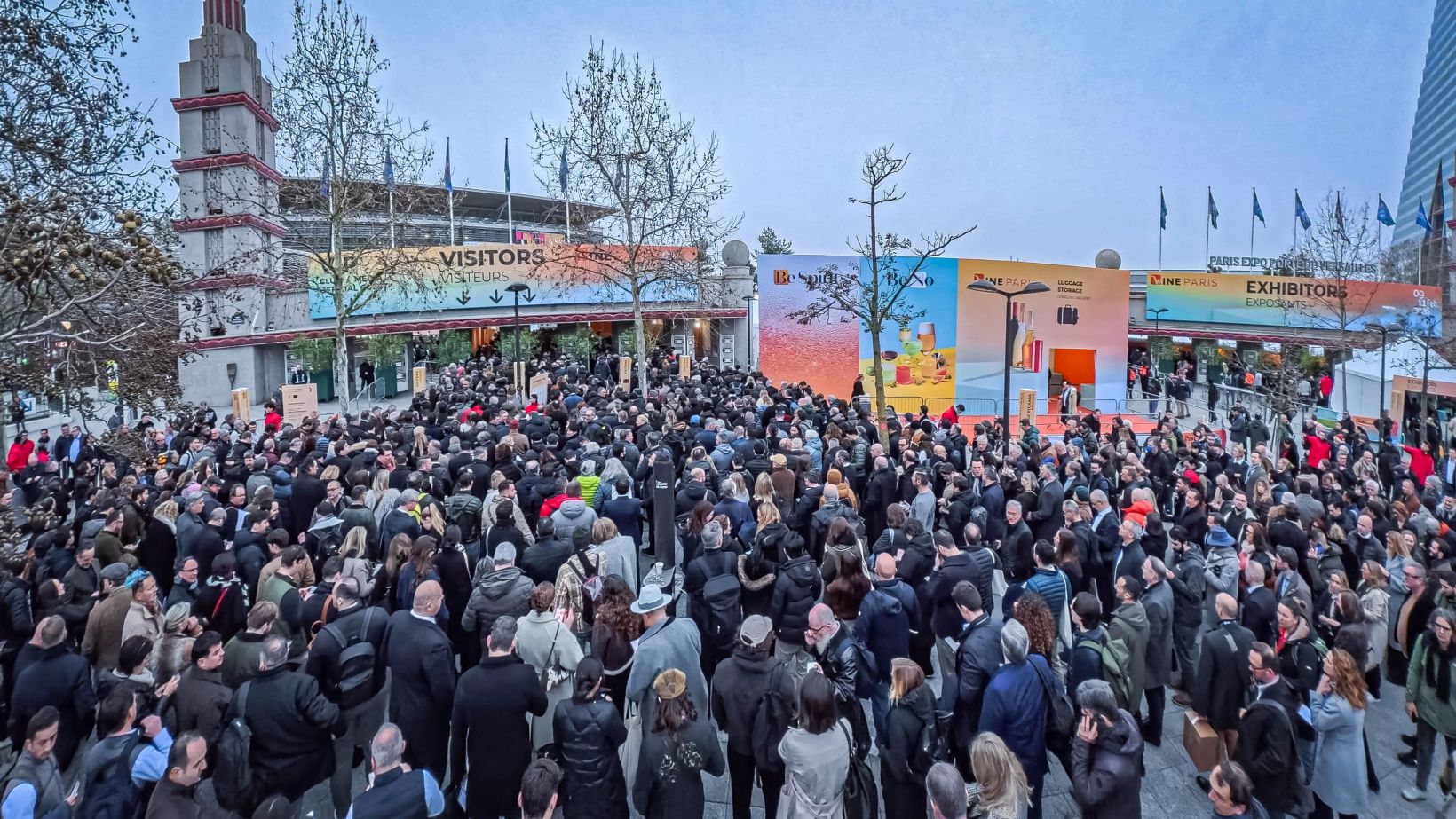
Paris in February has its own rhythm. Outside, people sit at cafe tables despite the cold. Inside Paris Expo Porte de Versailles, the wine world seems to arrive all at once: producers, buyers, importers, distributors, sommeliers and a great many people trying to work out what is selling, what is not and where the next opportunity might be.
Wine Paris has grown quickly. The 2027 edition takes place from 15 to 17 February and, once again, a sizeable South African contingent will make the trip. The obvious question is whether it is worth it. After 2026, the answer seems to be yes, but with a qualification: simply turning up is not enough.
Last year’s show gave a useful sense of why Paris now matters. The scale was impressive, of course, but the more interesting part was the quality of the conversations. Buyers were informed and generally arrived knowing what they wanted to discuss. Conversations moved quickly from the wine in the glass to price, margins, distribution, sustainability and the realities of doing business in difficult markets.
Wines of South Africa CEO Siobhan Thompson noted after the 2026 show that Wine Paris had grown rapidly in international significance. South African wines were well received, and the collective presence gave the country valuable visibility. That matters. In a hall where every major producing nation is competing for attention, being seen as a country is useful.
Still, visibility only gets you so far. One of the clearest lessons from South African exhibitors last year was that Paris rewards preparation. Buyers arrive with full diaries. Many of the worthwhile meetings are arranged before anyone boards a flight. Waiting for the right importer to wander past the stand is possible, but it is not much of a strategy.
There was also a useful reminder in what buyers responded to. Producers reported interest in Chenin Blanc and Pinotage, but also in regionality, specific sites and more premium, terroir-driven wines. In other words, the conversation became more interesting when South Africa became more specific.
That is encouraging, but it comes with a commercial reality check. Price sensitivity was hard to miss in 2026. Buyers were watching margins carefully and global oversupply was making listings harder fought. Premium opportunity had not disappeared, but producers needed to give buyers a convincing reason to pay more. A beautiful label and a good story were not enough on their own.
Sustainability was similar. It had moved beyond the comfortable language of good intentions. Buyers wanted to know how producers farm, what happens in their communities and, increasingly, what evidence sits behind the claims. That is probably a good thing. It makes the conversation more serious.
None of these pressures is uniquely South African. That is partly why Wine Paris is useful. For three days, many of the industry’s tensions are visible in one place: value versus volume, premiumisation versus affordability, moderation, changing drinking occasions, new markets and the ongoing question of how wine stays relevant.
The 2027 edition will again sit alongside Be Spirits and The Other Sip, the dedicated no- and low-alcohol event. Even for producers with no intention of making a zero-alcohol wine, it will be worth looking around. Wine is competing for occasions now, not only against another bottle of wine.
South Africa arrives with plenty in its favour: diversity, old vines, distinctive varieties, remarkable sites and a sustainability story with real substance. But every country in Paris arrives with something to say. The job is not to shout louder. It is to make the South African proposition easy to understand and commercially relevant to the person across the table.
Over the next few months, WineLand will follow that road to Paris. We will look at how exhibitors can prepare, what buyers appear to be looking for, how brands can position themselves and what will be worth watching when the doors open in February.
Last year confirmed interest in South Africa. This year, the challenge is to do more with it.
Paris is calling again. Time to get ready.

More from
Markets, business and trade
Neethlingshof debuts flagship red 'TORS' with Absa Cape Blend Top 6 Win
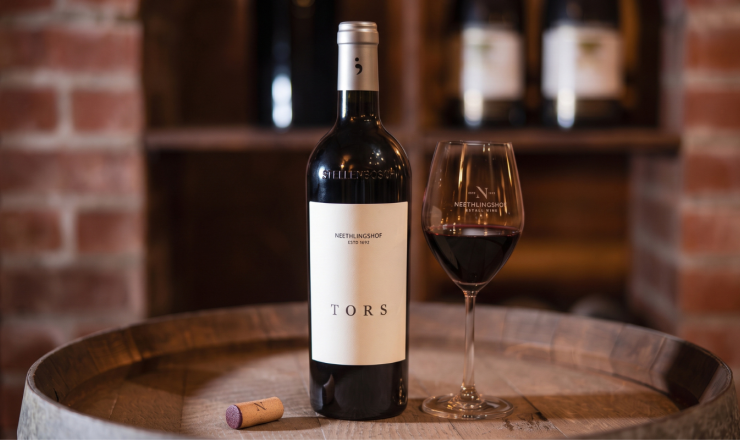
Neethlingshof Estate has introduced its flagship red, TORS, marking its debut with a win at the Absa Cape Blend Top 6 Awards for its maiden 2024 vintage. Crafted as the estate’s pinnacle expression, TORS was developed for fine wine collectors seeking a micro-vinified Stellenbosch blend shaped by site specificity and low-intervention winemaking.

The shelf has moved: how AI is changing the way consumers find wine
The way consumers find wine is changing. A decision that once happened in front of a shelf or with advice from a wine retailer can now start with a question typed into an AI platform.

Your questions answered: John Deere Financial
John Deere Financial understands that the wine and fruit farming industry comes with its own unique pressures. That’s why it offers practical, personalised financing solutions designed to work with the way your farm operates.