
Before the first sip: What your wine bottle is already saying
A wine bottle protects what is inside. It also tells a story about the brand, influences how consumers perceive value and has implications for everything from production costs to sustainability. So, how much thought should go into choosing the right glass?

· 6 min read
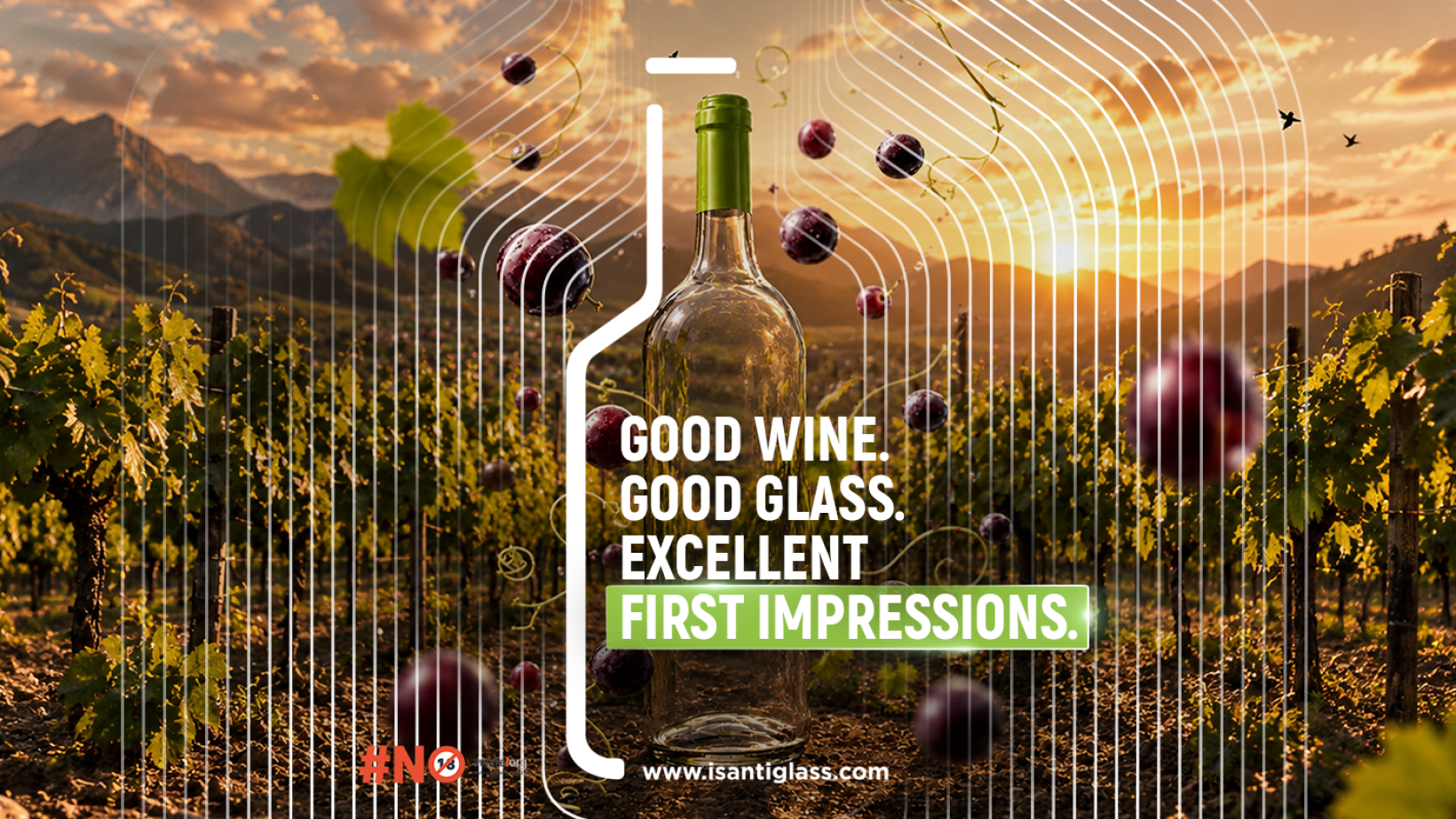
Before a consumer tastes a wine, they have already made a few judgements about it. Perhaps it is the label that catches their eye, the colour of the glass or the way the bottle feels when they pick it up. Even its weight can suggest something about the wine inside.
But are those impressions always accurate?
For years, heavier bottles have been associated with premium wines. The thinking was simple: more glass meant a more substantial product. Yet a heavier bottle does not necessarily contain better wine, and with producers facing pressure to manage costs and reduce their environmental impact, that long-held association deserves another look.
South African glass manufacturer Isanti Glass, the question is no longer simply which bottle looks most impressive. It is which bottle makes the most sense for the wine, the consumer and the business behind it. “The right bottle is not necessarily the most expensive or distinctive one; it is the one that best serves the wine, the brand and its intended consumer,” the company explains.
What does your bottle say about your wine?
Walk down a wine aisle and bottles are already competing for attention. A traditional design might communicate heritage, while something more contemporary could appeal to a different consumer. But distinctive packaging is not necessarily effective packaging.
“A bottle intended for a premium wine needs to communicate a different proposition from one designed for everyday enjoyment, and that does not necessarily mean choosing the heaviest or most elaborate bottle,” explains Isanti Glass.
The starting point should be the consumer. Who is buying the wine? At what price? For what occasion? The bottle should reinforce the brand's promise rather than simply stand out on the shelf.
Does heavier really mean better?
Bottle weight has traditionally been used to suggest quality. Pick up a substantial bottle and it can feel expensive, even before you know what is inside. But weight is not a measure of wine quality.
“A heavier bottle does not necessarily mean a better wine. Lightweighting, the practice of reducing bottle weight while maintaining the required strength and performance, offers opportunities to use less glass and reduce the weight transported through the supply chain.”
For producers, however, it is not simply a matter of choosing the lightest bottle available.
“Lightweighting is not simply a matter of making a bottle thinner. The design must be appropriate for the wine, filling process, handling conditions and distribution environment.”
A bottle must withstand the rigours of filling, handling, packaging, and distribution. Changes to its design or weight need to be tested against the winery’s production requirements and the conditions it will encounter before reaching the consumer.
There is also a branding consideration. If consumers associate a particular bottle with a wine they know and trust, any change needs to be carefully considered. The challenge is to retain the qualities that make a bottle recognisable and suitable for its purpose without using more material than necessary.
The sustainability question is bigger than recycling
Glass has an important advantage: it can be recycled and used again to manufacture new glass. Recycled glass, known as cullet, can replace some virgin raw materials and, depending on manufacturing conditions, reduce the energy required to produce new bottles.
But recyclability is only part of the story.
“It is equally important to recognise that recyclability alone does not tell the whole sustainability story.”
The environmental impact of a bottle also depends on manufacturing efficiency, material use, transport and whether effective collection and recycling systems are available.
This means looking beyond a single sustainability claim. A lighter bottle, recycled content and more efficient manufacturing can all contribute, but the decisions need to make sense together.
Innovation does not always look revolutionary
When we think about packaging innovation, unusual bottle designs often come to mind. Yet some of the most useful improvements are far less obvious. A familiar design that uses less material. A manufacturing improvement that reduces waste. Or a bottle that achieves the desired appearance without creating unnecessary complications on the filling line.
“For wine producers, innovation does not always mean introducing an entirely new bottle shape.”
A bottle that looks impressive in a design presentation must still accommodate the intended closure and label, meet quality requirements and perform reliably during filling, handling and distribution. And that is why involving the glass manufacturer early in product development makes sense.
“Involving the glass manufacturer early in the process helps identify what is achievable and how the packaging can support both the brand and the operational requirements of the business.”
Rather than treating packaging as the final purchasing decision, producers can consider it alongside their branding, production and commercial plans.
Before you order your next bottle, ask these five questions
Whether launching a new wine or refreshing an established brand, Isanti Glass identifies five practical considerations worth discussing before selecting a bottle.
1. Who are we trying to reach?
The bottle should appeal to the intended consumer and reinforce the wine's position in the market.
2. What are we communicating?
Does the design reflect the brand's identity, price point and personality, or are we relying on familiar assumptions about what looks premium?
3. Will it work in our cellar?
Bottle dimensions, weight, closure compatibility and label application all affect filling-line performance and handling.
4. Have we considered the full cost?
The purchase price is only one consideration. Material use, transport, operational efficiency and any necessary production adjustments also matter.
5. Can our supplier deliver consistently?
Quality, manufacturing capability and reliable supply are essential, particularly when production volumes increase.
The questions are straightforward, but they encourage producers to think about packaging as part of their business strategy rather than simply another item on the procurement list.
The value of looking closer to home
For South African producers, bottle selection also raises questions about the local supply chain. As a domestic glass manufacturer, Isanti Glass contributes to South Africa's packaging manufacturing capacity and works with customers to align bottle specifications with branding, production and supply requirements.
“Local manufacturing is also an important part of the value proposition,” Isanti Glass notes.
For wineries competing in local and international markets, access to local manufacturing expertise creates opportunities for closer collaboration. It is another reminder that choosing a bottle is not just a design decision. It is a manufacturing, logistical and commercial one, too.
Before the first sip
Wine producers spend enormous amounts of time thinking about what goes into a bottle. The vineyard, the vintage, the blend, the ageing and the final quality all receive careful attention.
It is worth spending just as much thought on the bottle itself. Not because packaging can make an ordinary wine exceptional, but because it can influence how that wine is noticed, understood, handled and ultimately enjoyed.
As Isanti Glass puts it, “The best bottle is not necessarily the heaviest, the most elaborate or the most expensive. It is the one that does its job, tells the right story and makes sense for the wine business behind it.”

More from
Markets, business and trade
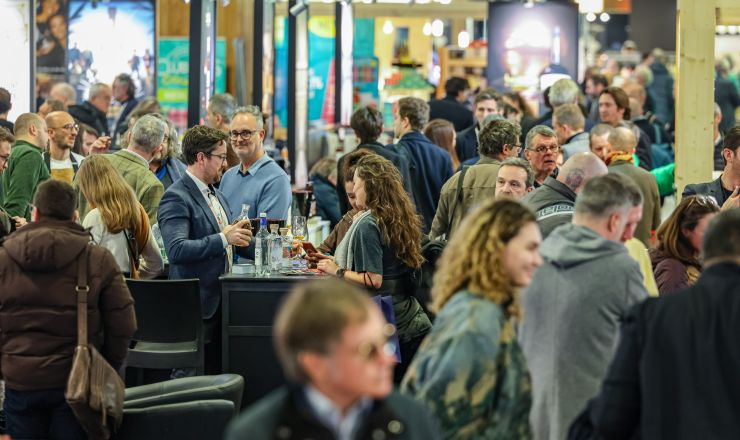
Your stand is not your strategy
Three days, thousands of potential connections and one chance to make an impression. As South African producers prepare for Wine Paris 2027, Carolyn Martin, co-founder and marketing director of Creation Wines, shares what it takes to turn a trade exhibition into meaningful business. From choosing the right buyers to knowing which wines to pour, her advice is simple: arrive prepared, stay curious and remember that relationships matter more than business cards.
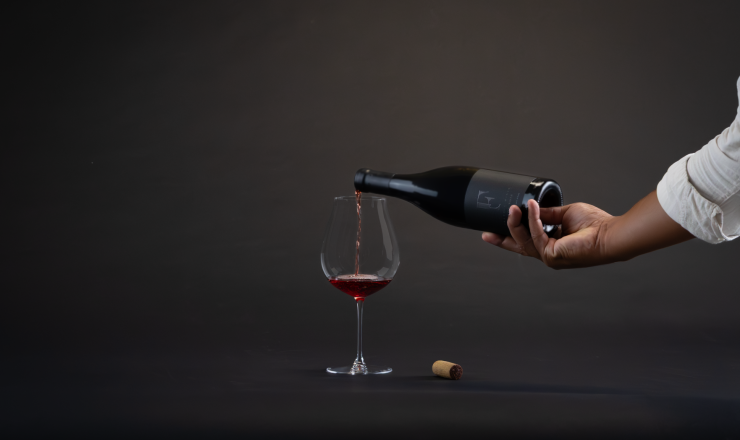
Character over scale: Francis Wines makes every vineyard count
In a wine market under pressure to rethink volume and value, Burton Francis is taking a different route. Working with winemaker Kevin Grant, he is making small-production Chardonnay and Pinot Noir that put the character of Hemel-en-Aarde Ridge first – with a purpose that reaches well beyond the vineyard.
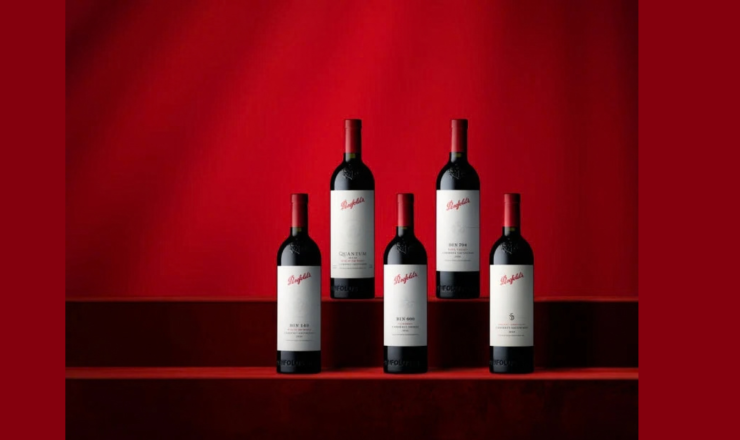
Five international collaborations worth discovering
Great wine has always reflected a sense of place. Increasingly, it also reflects the people, conversations and partnerships that happen far beyond the vineyard.