
Premier Winde, cabinet laud the start of recovery for agriculture
· 3 min read

On Wednesday (14 August), Premier Winde, Minister of Agriculture Ivan Meyer and the Western Cape cabinet met with representatives from the agricultural sector to discuss the successes and challenges and challenges they face.
The meeting forms part of a series of engagements Premier Winde and his cabinet will hold with various sectors and role players in the province, which will be taking place over the coming months.
Premier Winde thanked the sector for its resilience and for continuing to invest in agriculture, in spite of the worst drought in 100 years.
Premier Winde said “Our economy faces some challenges that are beyond our control such as Brexit, US-China trade relations and issues of land expropriation without compensation but I am pleased that the agriculture sector continued to invest in the Western Cape. Investment is a sign of confidence and the fact that we are seeing investment continue in agriculture is a sign of its recovery following the drought. Creating an enabling environment for the economy to grow is a key focus this government and a crucial aspect of this is ensuring that agriculture is supported.”
“As the provincial government, we have committed to supporting the economy and investment which will contribute towards job creation and economic growth. Agriculture in the Western Cape is an important contributor to the economy in terms of job creation, revenue generation and it plays a major role in national food security,” Premier WInde said.
Key stakeholders such as Agri- Western Cape, AFASA, BFASA and representatives from the Fruit and Wine as well as the Red Meat and Wool Industries raised a number of concerns. These include the transformation of the agriculture value chain, drought support, trade and market access and the socio-economic impact of the drought on agriculture.
While good rains have seen many of the province’s dams start to fill, some areas continue to experience drought conditions.
Head of the Provincial Agriculture Department, Joyene Isaacs, confirmed that the Provincial Risk in Agriculture Committee has gathered all the data needed to request further drought support needed in the province. The data will now form the basis of a report, highlighting the support needed in the sector, which will be forwarded to the Department of Local Government, the Provincial Disaster Unit and the Western Cape Cabinet. The current prediction is that approximately R146m is required to assist farmers until the end of March 2020.
Minister Meyer said: “Despite the drought, agriculture in the Western Cape generates a total income of R21 billion a year and provides for 17% of our total workforce in the Western Cape and 26.7% of agri-workers in South Africa. The Western Cape contributes 45% to South Africa’s agricultural exports. We must therefore nurture, protect and support this sector.”
All participants on the day committed to continuous engagement, acknowledging their joint responsibility in ensuring that the sector is allowed to develop and grow.

More from
Markets, business and trade
The next 25 years
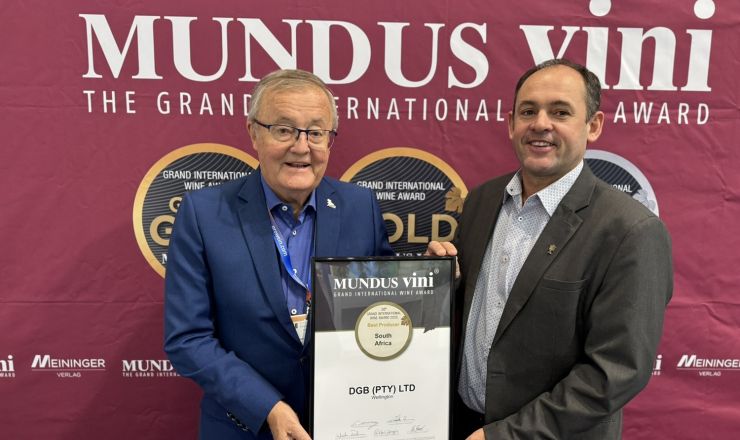
DGB has been recognised by Mundus Vini as its Best South African Producer over the past 25 years. But what will it take to remain successful for the next 25? We asked Executive Chairman Tim Hutchinson about premiumisation, changing consumer behaviour, climate, technology, and where he believes the next opportunities lie.
Paving the way to a sustainable wine trade
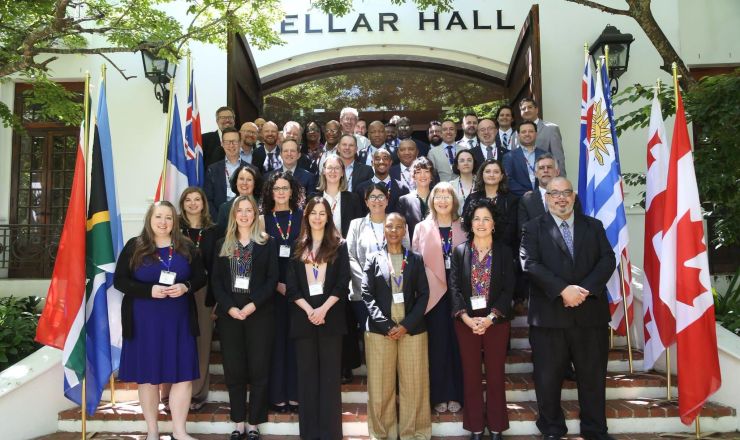
On 2 November 2026, WWTG Governments endorsed principles that governments may take into account to avoid unjustified or unintended impacts on trade for the wine sector related to sustainability policies.

Does Government know what it’s costing you?
A decision made in Pretoria can change the way a wine business operates. But who makes sure the people making those decisions understand what happens on the ground? South Africa Wine’s Jordyn Goeieman takes us inside the often unseen work of influencing the policies that affect the industry.