
The next 25 years
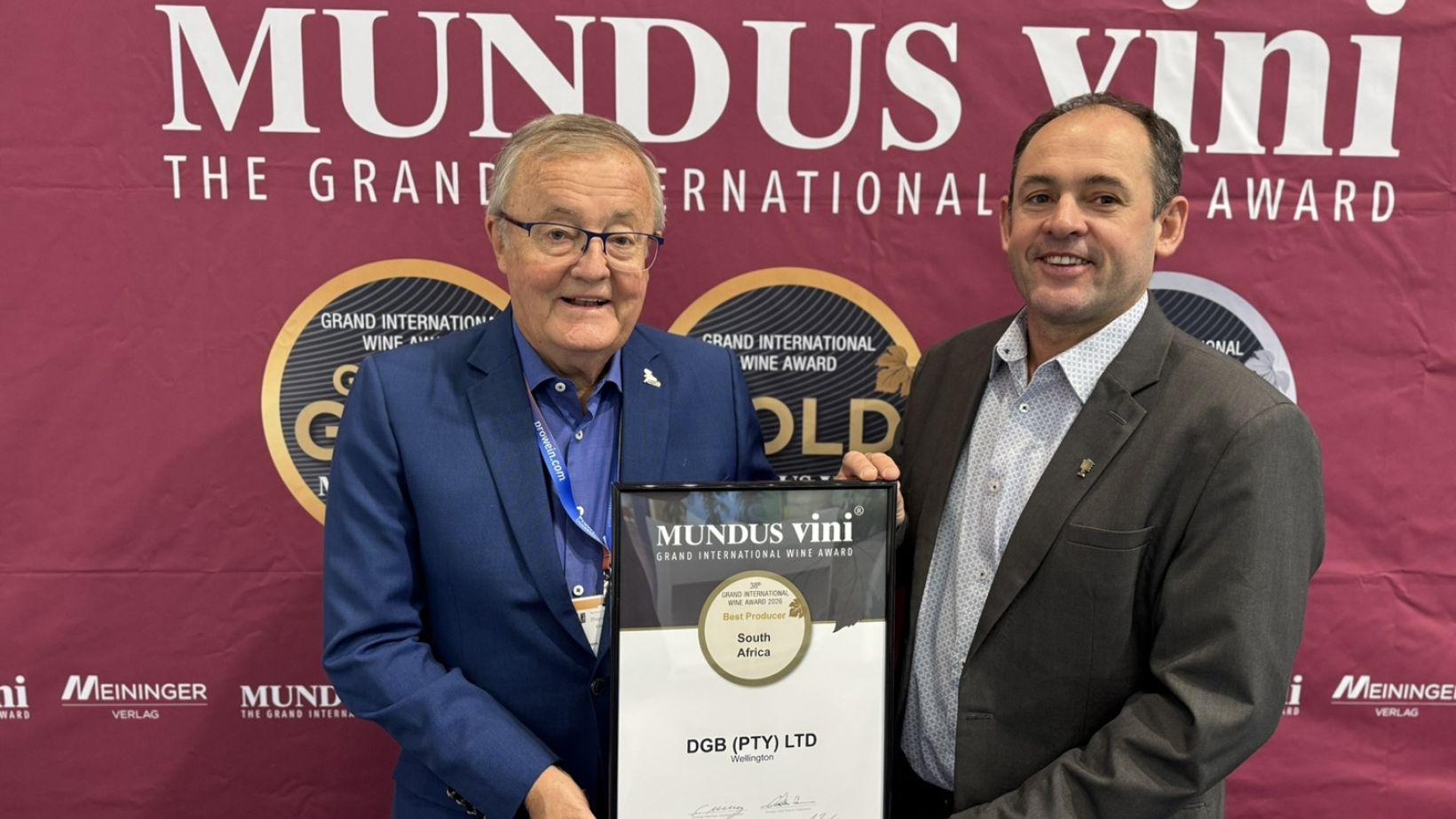
DGB has been recognised by Mundus Vini as its Best South African Producer over the past 25 years. But what will it take to remain successful for the next 25? We asked Executive Chairman Tim Hutchinson about premiumisation, changing consumer behaviour, climate, technology, and where he believes the next opportunities lie.

· 3 min read
If we have this conversation again in 2051, what would you hope we would say about DGB’s previous 25 years?
Our development in the premium wine sector was a big success. We have already started the long road towards premium wine leadership, and that is an important part of where we see the business going.
What do you think will change most fundamentally in the global wine business?
I think we are going to see huge consolidation. It will be a very different and increasingly competitive environment, and businesses will need to be clear about where they fit and where they can create value.
Where is the opportunity for South African wine?
There is a growing appreciation internationally of the quality of South African wine, particularly in the premium sector. The challenge now is to get the right price for that quality. I believe South Africa has a bleak future at entry-level price points, and that reality has dictated a lot of our strategy.
So is the future about selling more wine or getting more value from what we sell?
For us, the opportunity is increasingly at the premium end. Premiumisation, however, is not simply about increasing a price. You have to build the brands, quality, distribution and consumer demand that support that value.
How will the next generation of wine consumers be different?
They will be more discerning and informed. They will want to know more about the business behind the wine, including environmental issues and social upliftment programmes. That means businesses will increasingly be judged not only on what is in the bottle, but also on how they operate.
Does premiumisation leave room for innovation?
Absolutely. New product development remains important. We are looking at new formats such as cans, innovative lower-alcohol options and the introduction of flavours that may not necessarily sit within the traditional wine space. Consumer occasions are changing, and we have to remain relevant to them.
How much will climate change influence what DGB does in the vineyard?
It is a serious challenge. We are already seeing the impact in countries such as France. I don't think the Cape, with the influence of two oceans, will necessarily be affected to the same extent, but we cannot ignore it. We have already done a lot of work with more heat-resistant varieties. These are long-term decisions, so we need to be thinking about them now.
Where do technology, data and AI fit into the future of wine?
Market and consumer intelligence will become increasingly important, and we will need people with those skills. But there is also something technology cannot replace: winemaking personalities talking to consumers. Wine remains a very human product.
What will sustainability mean 10 or 20 years from now?
It will be an ongoing process. It cannot simply be something you achieve and tick off. We would like to think that DGB will continue to stay ahead of the curve.
What does DGB need to start doing today to still be winning in 2051?
We have already started. The long road to premium wine leadership is underway.

More from
Markets, business and trade
Paving the way to a sustainable wine trade
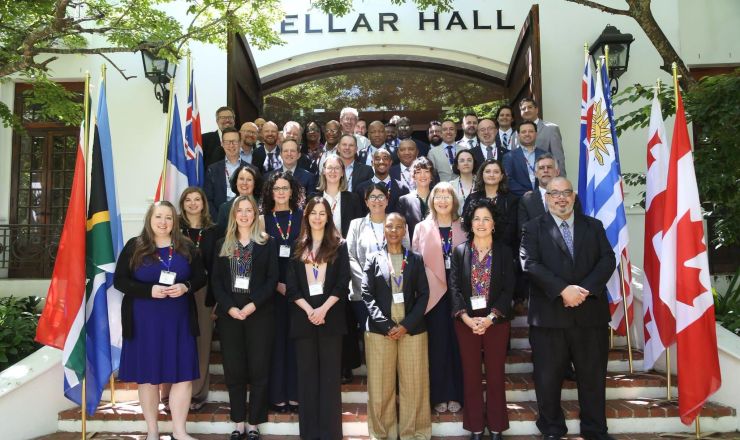
On 2 November 2026, WWTG Governments endorsed principles that governments may take into account to avoid unjustified or unintended impacts on trade for the wine sector related to sustainability policies.

Does Government know what it’s costing you?
A decision made in Pretoria can change the way a wine business operates. But who makes sure the people making those decisions understand what happens on the ground? South Africa Wine’s Jordyn Goeieman takes us inside the often unseen work of influencing the policies that affect the industry.

All roads lead to Wine Paris
With professionals from more than 169 countries attending Wine Paris in 2026, the exhibition has become an increasingly important meeting point for the global wine trade. Nicolas Cuissard, Director of Wine Paris, speaks to WineLand about the exhibition’s growing international influence, opportunities for South African producers and what it takes to turn participation into business.