
Q&A: COVID-19 Regulations & Resources
When President Ramaphosa on 15 March 2020 announced COVID-19 as a National State of Disaster, it set in motion a series of ministerial announcements.
· 3 min read
Those, alongside a schedule of fines and imprisonment for flouting COVID-19 mitigation measures, are the basis of the regulations that were finally published on 18 March 2020.
Q: What were the general guidelines announced on 15 March 2020?
The following guidelines were been implemented by the South African Government on 15 March 2020: • Travel ban on foreign nationals from high risk countries from 18 March 2020. • SA citizens advised to refrain from travel to or through high risk countries effective immediately. • SA citizens returning from high risk countries will have testing and self-isolation. • All foreign nationals having arrived into the country since mid-February from high risk areas must be tested. • All spheres of government must not take non-essential travel. • Gathering of more than 100 people prohibited. • Schools closed from 18 March until after the Easter weekend break. • Visits to all correctional facilities cancelled for the next 30 days. • All businesses must ensure all measures taken to intensify hygiene control. • All shopping centres must ensure all measures taken to intensify hygiene control. • Capacity of health facilities being increased nationally. • Limitations on the hours for trading and serving of alcohol.
Q: What are the formal implications of the National State of Disaster and an imminent State of Emergency?
Following President Ramaphosa’s declaration of a National State of Disaster on 15 March 2020, the South African Government issued Disaster Management Act 2002 Regulation 8 on 18 March 2020.
The 2002 Disaster Management Act facilitates co-ordination, mitigation and recovery following a disaster, defined as a “natural or human-caused occurrence that causes disease, damage to property infrastructure or the environment or disruption of the life of a community”.
A national State of Disaster lasts three months. However, the co-operative governance minister may cut it short at any time. A national State of Disaster may be extended one month at a time.
Compliance with the already announced measures is key to avoid the escalation of the national State of Disaster to a State of Emergency.
Details on the State of Disaster and State of Emergency, as well as the implications and timelines can be found here: Covid-19 State of Disaster vs State of Emergency: What’s the difference? (Source: Daily Maverick)
Q: Which live & useful resources are available?
Regulations: Disaster Management Act 2002 Regulation 8
Resources: SA Department of Health Corona Resource Portal National Institute for Communicable Diseases FAQSouthern African Tourism Services Association (SATSA) Corona Virus Update Visit Stellenbosch Corona Virus FAQ Visit Winelands – tips & updates for visitors to the winelands, as well as wineries SATSA’s comprehensive FAQ document and a general infographic that wineries can circulate to their teams.
Hotlines & live updates: To receive information directly from the South African National Department of Health, save the number 060 012 3456 on WhatsApp and send ‘hi’. The Coronavirus Outbreak 24-hour Hotline Number is 0800 029 999.

More from
Markets, business and trade
The next 25 years
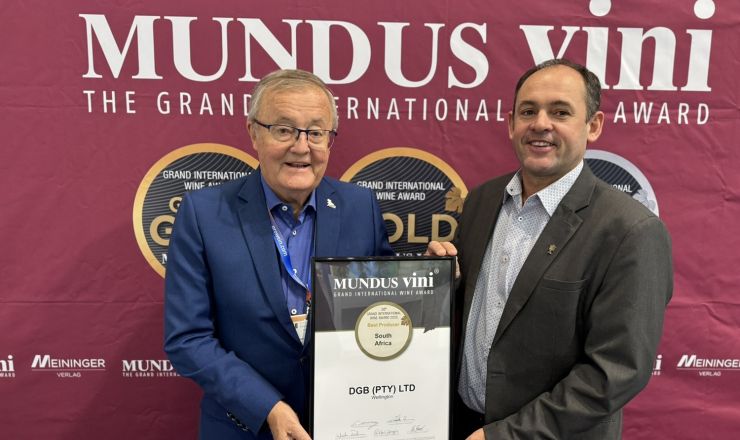
DGB has been recognised by Mundus Vini as its Best South African Producer over the past 25 years. But what will it take to remain successful for the next 25? We asked Executive Chairman Tim Hutchinson about premiumisation, changing consumer behaviour, climate, technology, and where he believes the next opportunities lie.
Paving the way to a sustainable wine trade
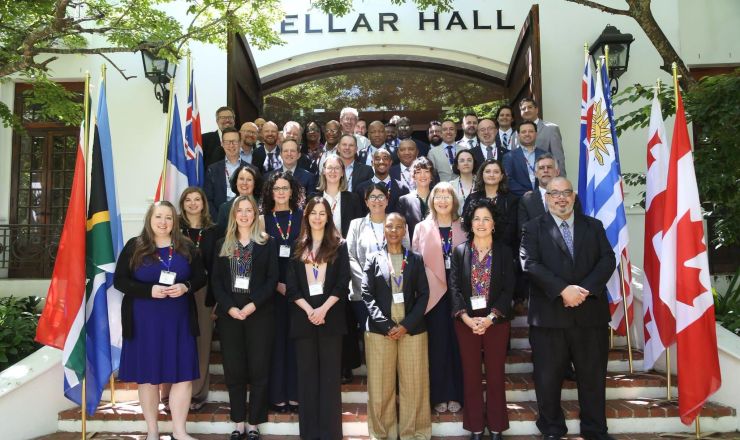
On 2 November 2026, WWTG Governments endorsed principles that governments may take into account to avoid unjustified or unintended impacts on trade for the wine sector related to sustainability policies.

Does Government know what it’s costing you?
A decision made in Pretoria can change the way a wine business operates. But who makes sure the people making those decisions understand what happens on the ground? South Africa Wine’s Jordyn Goeieman takes us inside the often unseen work of influencing the policies that affect the industry.