
Q&A with De Bruyn Steenkamp
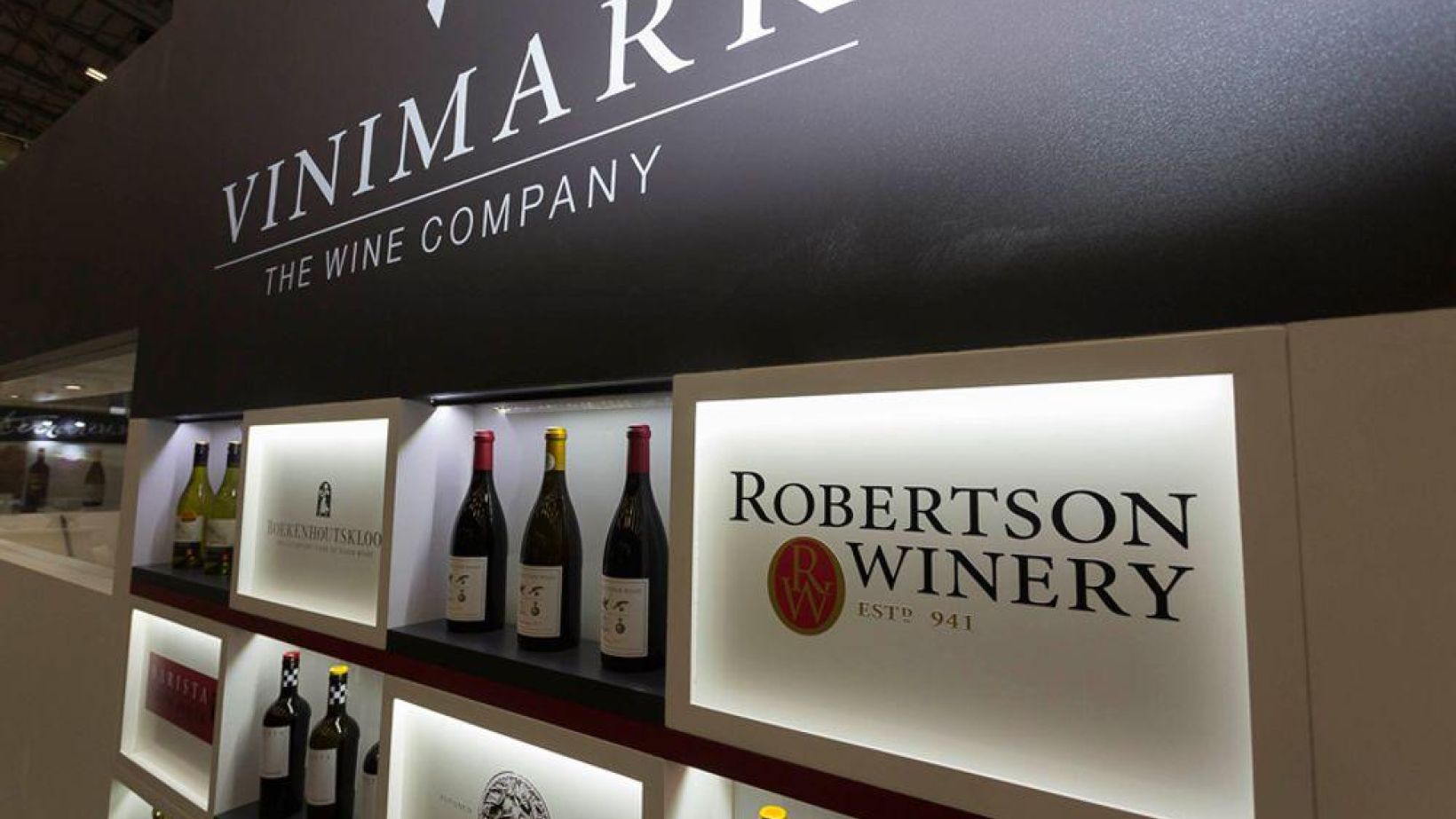
Vinimark welcomed seasoned entrepreneur, business leader and Cape Wine Master De Bruyn Steenkamp as its new exports director in August 2024. De Bruyn has a deep knowledge of the local industry and with over two decades of experience in the global wine industry, he is ready to take this specialist…
· 3 min read
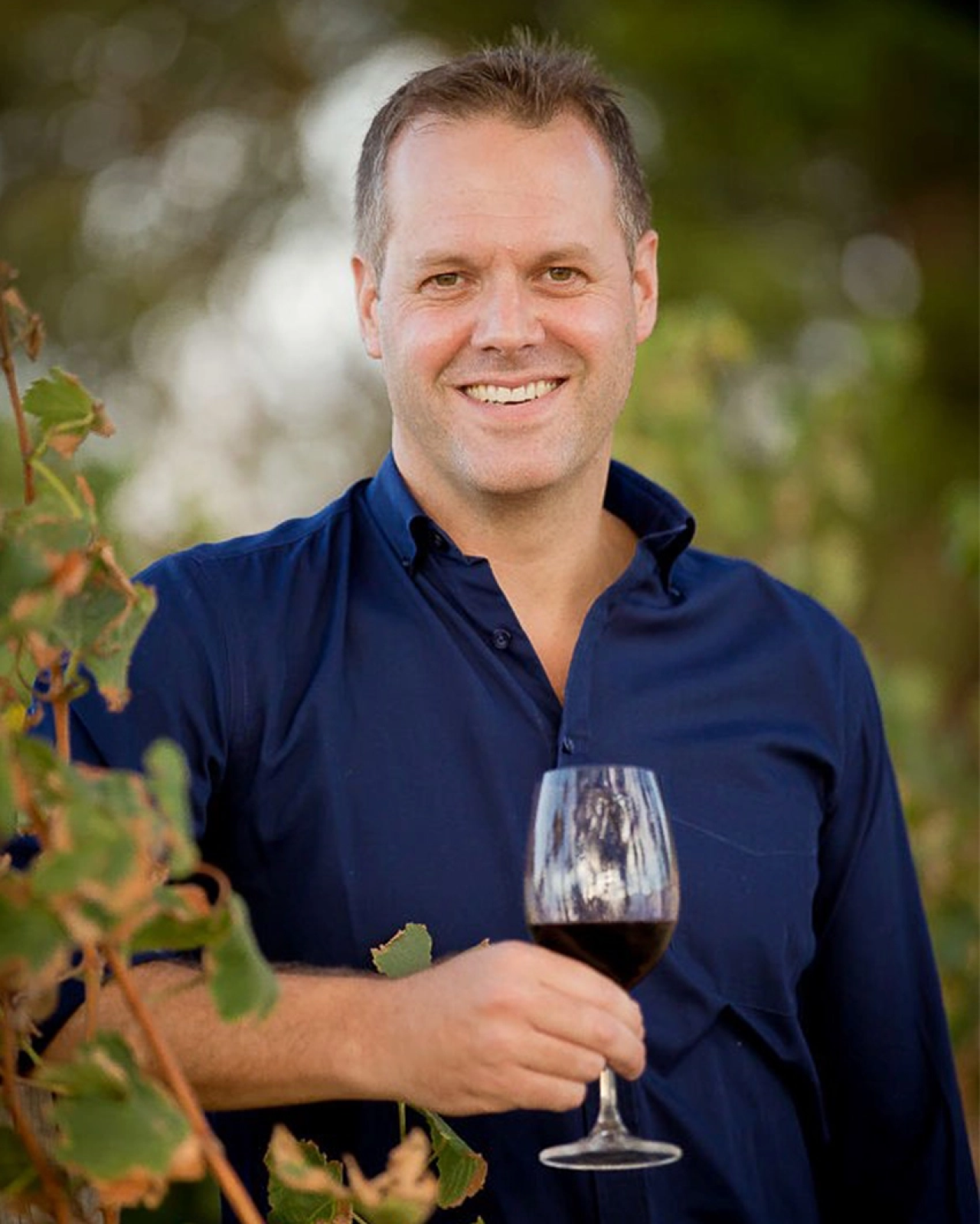
De Bruyn Steenkamp grew up in the Stellenbosch winelands as the fourth generation on his family’s wine estate, Groenland, and he is owner of the adjoining farm, Friesland. A lawyer by trade, Steenkamp earned his master’s degree in International Trade Law at the University of Stellenbosch and is a member and past chairman of the Institute of Cape Wine Masters. His career included prominent roles such as global sales and marketing director at KWV and International Business Manager at Distell Ltd in London. WineLand recently caught up with him to find out more about his new position as exports director at Vinimark.
How has your personal and professional background shaped your approach to wine and business, especially in your new role at Vinimark?
Success and fulfilment tend to come when you combine your skill set with your passion: I have always been a wine guy (I grew up on a wine farm), wanted to travel the world and enjoy the world of business and commercial (I have a legal background). So Vinimark’s strategic-, global- and wine credentials were a perfect fit.
How do you plan to leverage your experience in international wine markets to enhance Vinimark’s export growth?
Basics first, I guess: making sure we have the right team on board and the right partners in the key wine markets of the world. We will then look at an optimum brand portfolio and all the relevant metrics and commercial levers (pricing, positioning, value chains, distribution, support etc.) to ensure our brands are well placed for sustainable growth.
You speak about building brands in a “commoditised wine environment” – what specific strategies do you have in mind to elevate South African wines above commodity status in international markets?
It will have to start with good brands which are not dependent on price alone: we have some brands which are best in class, and if we deliver great value and premiumise rather than a race to the bottom based on price, we have a good chance of building smart brands supporting the South African category.
We strive to be authentic but innovative in terms of packaging, intrinsic offering, regionality and category excellence, whether it be MCC, Organic, Pinotage and so on.
What is the greatest of South Africa’s wine industry that makes it an appealing value proposition for export markets?
Our wine diversity can be a great thing, but it might also lead to a lack of focus. For example, certain wine regions are known for one varietal, but many South African producers want to drive multiple areas of growth and then lack a clear identity. What is very clear is that our quality at our price points is outstanding: we now just need more global premium brands.
What are the most pressing challenges to promoting South African wines globally, and how can Vinimark help producers address them?
We are still a tiny player in the global wine world, and it is hard to build big brands if you are 3-4% of a category. Also, in some markets, wine consumption is down or younger wine drinkers prefer cocktails or aperitifs to wine… and South Africa (in general) tends to be seen as a commoditized price-driven category rather than a premium one. So, we will have to start by focusing our brand proposition on our strongest suits (varietal, terroir, brand DNA), carefully choosing a few good markets and partners, positioning ourselves well, and giving it your all for the long haul.

More from
Markets, business and trade

Paris is calling. Again.
Wine Paris has become one of the important dates on the global wine calendar. For South Africa, being there matters. But being there with a plan matters more.
Neethlingshof debuts flagship red 'TORS' with Absa Cape Blend Top 6 Win
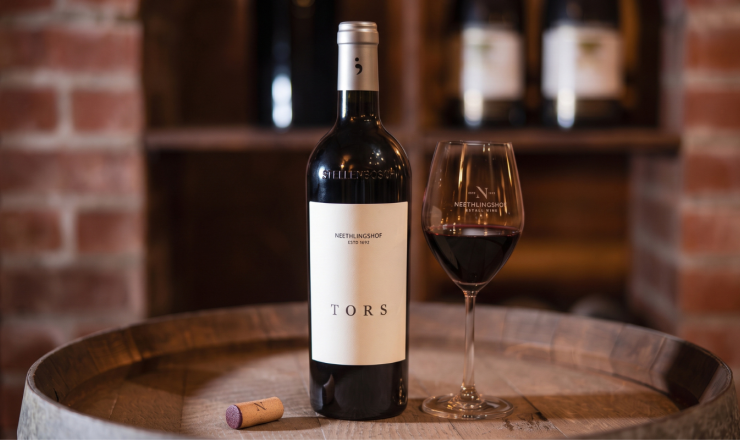
Neethlingshof Estate has introduced its flagship red, TORS, marking its debut with a win at the Absa Cape Blend Top 6 Awards for its maiden 2024 vintage. Crafted as the estate’s pinnacle expression, TORS was developed for fine wine collectors seeking a micro-vinified Stellenbosch blend shaped by site specificity and low-intervention winemaking.

The shelf has moved: how AI is changing the way consumers find wine
The way consumers find wine is changing. A decision that once happened in front of a shelf or with advice from a wine retailer can now start with a question typed into an AI platform.