
Rethinking wine transfer: Why centrifugal pumps deserve a second look
· 3 min read
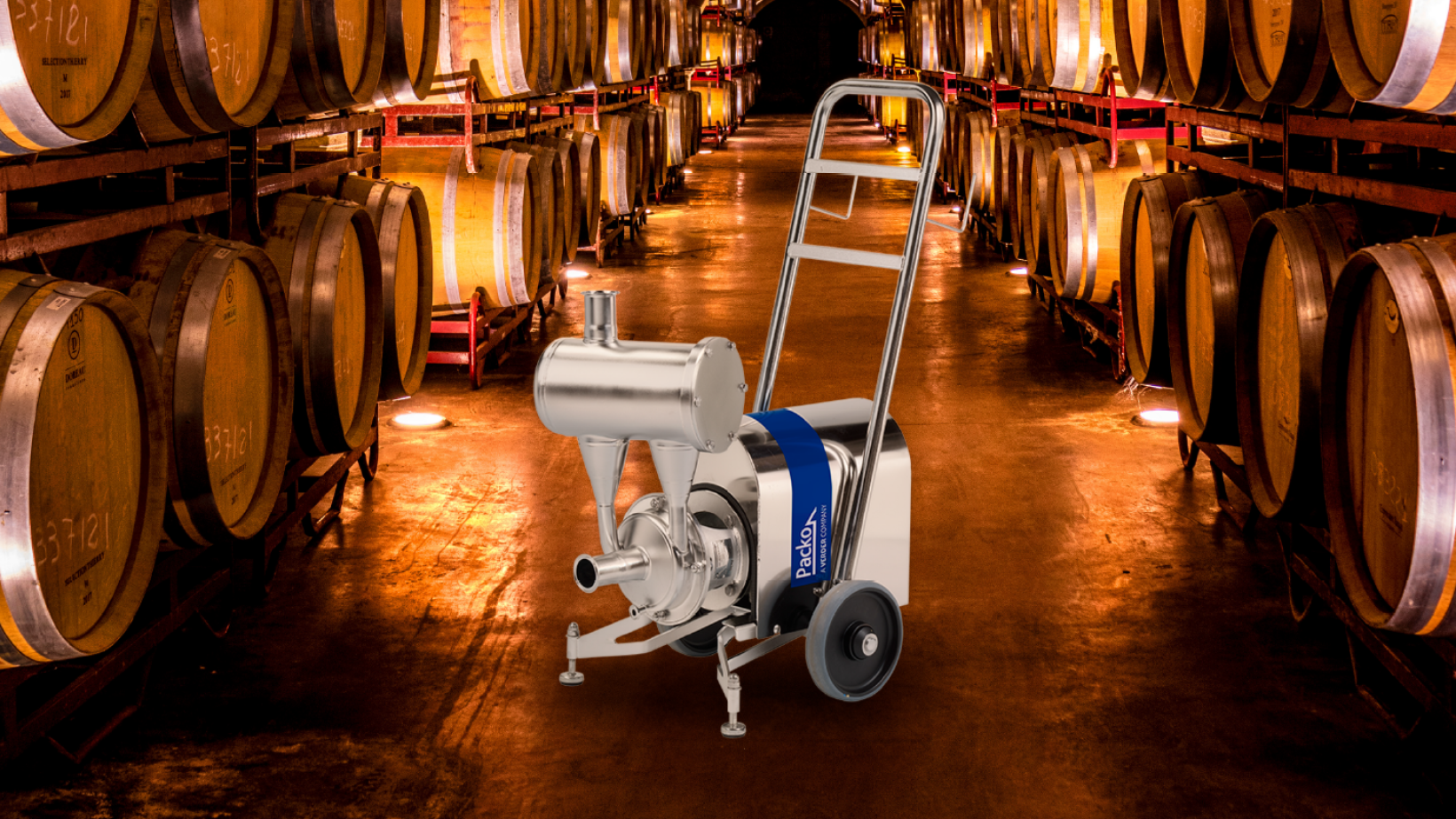
In the pursuit of premiumisation, proper pump selection can make all the difference.
South Africa’s wine industry continues to pursue premiumisation as a technically demanding but high-quality 2026 harvest shows strong promise for the industry’s growth. At the same time, winemakers are embracing minimal-intervention approaches that seek to preserve freshness and allow the character of the vineyard, climate and soil to find clearer expression in the finished wine.
Against this backdrop, every stage of production matters, including how wine is moved through the cellar. Selecting the right pumping solution can play an important role in protecting product quality, managing oxygen exposure and maintaining the characteristics the winemaker has worked hard to create.
Wine transfer decisions often centre on preserving quality and managing oxygen exposure. Excessive oxygen exposure can oxidise phenolic and aroma compounds, producing wines with less fresh fruit character, darker colouring, a lack of delicate aromas and flatter or prematurely aged flavours.
This has also shaped perceptions around the types of pumps considered suitable for wine transfer. Winemakers often avoid centrifugal pump solutions because of a long-standing belief that centrifugal pumps ruin wine by “beating it up” and that they introduce excessive amounts of oxygen.
Debunking the myth
In truth, a properly sealed, flooded centrifugal pump cannot introduce oxygen into the wine because it operates as a completely closed system. A correctly selected and properly operated centrifugal pump does not automatically result in excessive oxygen pickup. Oxygen ingress is influenced by the complete transfer system, with factors such as air entrainment, suction conditions, cavitation, leaks, pump speed, and overall system design all playing a role.
Centrifugal pumps can provide controlled low-shear product transfer when correctly specified for the application. Designs incorporating open-channel, oversized or vortex impellers can operate at lower RPM’s while still delivering the high flow rates required for efficient tank-to-tank transfer.
Rather than viewing centrifugal pumps as inherently detrimental to wine quality, winemakers who focus on selecting the right pump and good system design can benefit greatly from installing a fit-for-purpose, hygienic centrifugal pump solution.
Cost of ownership considerations
When selecting a pump for wine transfer, the initial purchase price is one part of the equation, while maintenance requirements, reliability, component life, ease of servicing, energy efficiency and the cost of production downtime all contribute to the true cost of ownership.
For wineries focused on consistently producing high-quality products while reducing losses and waste, equipment needs to be 100% fit-for-purpose for the product and for the realities of the production environment.
Pump reliability and longevity can have a direct impact on production efficiency, particularly during critical periods such as harvest when unexpected downtime can be especially disruptive.
When evaluating a pumping solution for wine transfer, wineries should therefore consider:
- Product protection: Minimising product losses due to leaks or product damage because of how well the pump seals.
- Hygienic design and cleanability: Ensuring the pump can be cleaned effectively and integrated into clean-in-place (CIP) processes.
- Oxygen management: Maintaining appropriate dissolved oxygen levels by considering the pump as part of the complete transfer system.
- Maintenance and serviceability: Providing straightforward access for inspection, disassembly, maintenance and reassembly to minimise downtime.
- Operational efficiency: Selecting equipment that delivers the required performance efficiently and reliably throughout its operating life.
- Total cost of ownership: Considering maintenance, replacement components, energy consumption, service life and downtime alongside the initial capital cost.
Ultimately, the question should not simply be “Which type of pump is best for wine?” but rather: “Which pumping solution provides the right balance of gentle product handling, oxygen management, reliability, maintenance and total cost of ownership for the application?”

More from
Markets, business and trade

How to build a diversified wine business in South Africa: 5 practical lessons
Building a wine business has never been simple. Today, it comes with even more moving parts. Consumers are drinking more thoughtfully, export markets are competitive, and relying on a single category is becoming increasingly risky. So what does it take to build something that lasts? Cape Wine…

How research is changing the wine we drink
Wine research starts long before the bottle reaches the shelf. It gives producers a better understanding of what happens in the vineyard and cellar, while providing evidence for decisions that can affect the wine consumers eventually drink.

Precision Fermentation: Biotech to balance Flavours, Acid and Alcohol
As warmer vintages widen the gap between ripeness and freshness, a new generation of selected yeasts lets winemakers rebalance wine during fermentation, not after.