
SA farmers could pay up to R900 million due to fuel hike
· 2 min read
The latest fuel hike that took effect at midnight (6 March 2019) will have a severe impact on the cash flow of farmers in South Africa. This is according to Dawie Maree, head of FNB Agric Marketing and Information National.
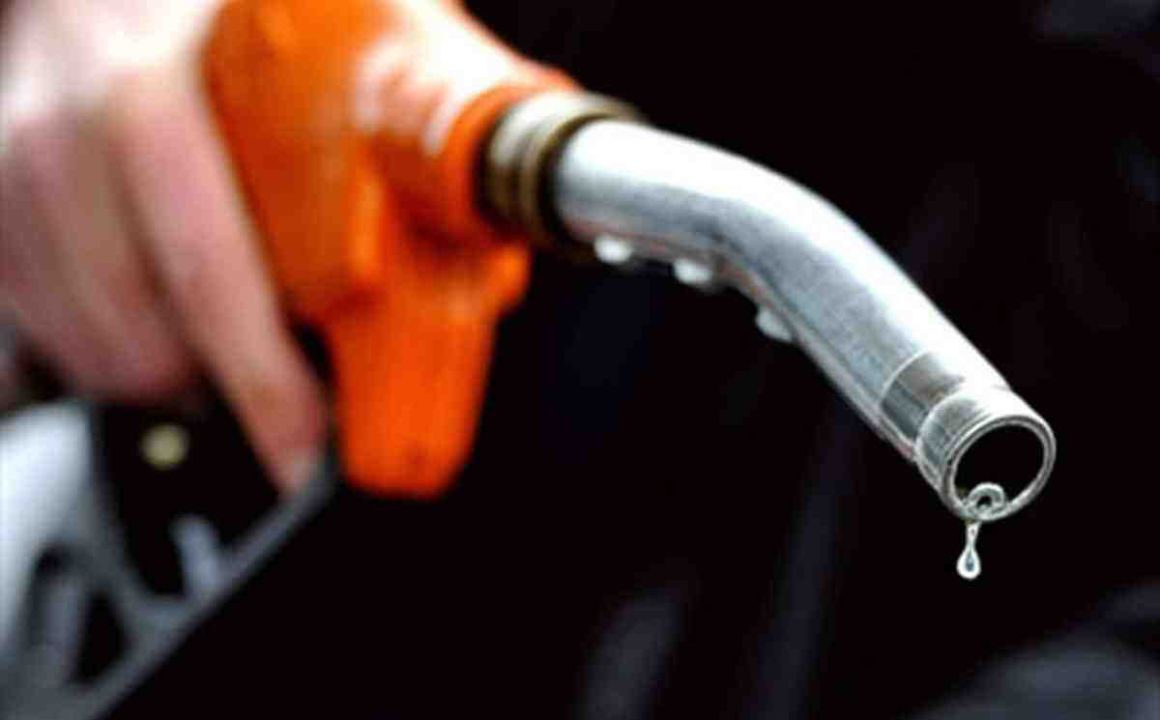
As of midnight, motorists will need to fork out an additional 74c per litre, as a rising oil price offset a stronger rand against the dollar in February.
The Central Energy Fund said on Monday that the inland price for a litre of 95 octane unleaded petrol will rise 5% to R14.82 from Wednesday, and diesel almost 7% to R14.05 (a 93c increase).
Maree says that every 10c increase in diesel translates to a R100 million year-on-year increase in production costs for agriculture South Africa. “This means that a 93c increase in diesel spells a R930 million rise in input cost for South African farmers.”
Maree adds this could have a negative impact on food inflation and the disposable income of consumers.
Wine farmers will not be as severely affected as for instance the grain industry, as fuel forms a smaller percentage – 5% – of the total production cost. Other factors that also influence production cost include labour, input costs, electricity and water tax.
Petrol and diesel are used for tillage, harvesting, machinery and transportation, making them critical components for both small-scale and commercial farmers in South Africa. Farms that are more mechanised will likely feel the pinch most.
Experts agree that Eskom’s recent bout of load shedding has contributed to the weaker rand and impacted investor’s confidence, which, in turn, has led to the latest fuel hike.
Many producers had and will need to purchase additional fuel during load shedding to keep generators running, placing even greater pressure on production cost.
“Farmers are price takers and rising diesel prices increase farmers’ input costs. This lowers the margin they can earn on their produce,” says Maree.
While South African farmers are very resilient, the price hike could have a particularly adverse impact on producers who are not able to achieve the necessary efficiencies and economies of sale.
“Rising diesel prices must be absorbed as part of a changing cost structure and it directly impacts on farming margins,” he says.

More from
Markets, business and trade

How research is changing the wine we drink
Wine research starts long before the bottle reaches the shelf. It gives producers a better understanding of what happens in the vineyard and cellar, while providing evidence for decisions that can affect the wine consumers eventually drink.

Precision Fermentation: Biotech to balance Flavours, Acid and Alcohol
As warmer vintages widen the gap between ripeness and freshness, a new generation of selected yeasts lets winemakers rebalance wine during fermentation, not after.

WBWE – a global business barometer
If you want to understand where the global wine industry is heading, don’t look only at retail shelves or export statistics. Look at what is happening in the bulk wine market.