
SA rooibos IP innovation at WIPO congress in Geneva
· 1 min read
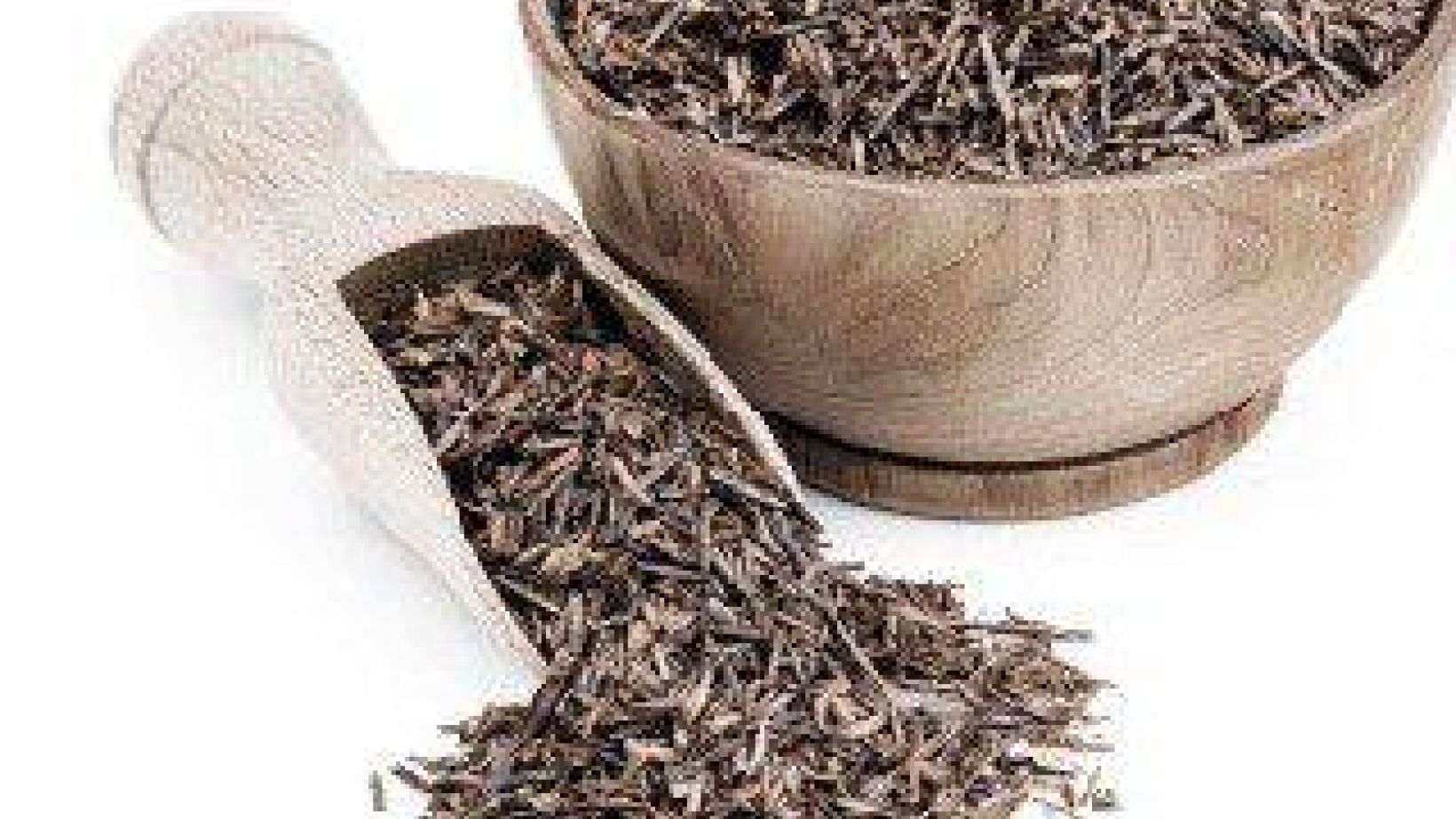
The extensive trademarks and patents protecting two of South Africa’s botanical treasures, namely Rooibos and Honeybush, has caught the attention of the international community where the Minister of Home Affairs, Malusi Gigaba was invited to deliver a keynote address at the 56th General Assembly of the World Intellectual Property Organisation (WIPO). It’s the first time that SA was asked to present in respect of trademarks, patents and IP innovation at this conference.
The European Union recognised both Rooibos and Honeybush as Geographic Indicators (GI), in 2014. This means that South Africa and its local manufacturers now have exclusive ownership of Rooibos and Honeybush trademarks and IP, and that these names will only be applicable to products that come from South Africa, which are officially approved by the DTI, guaranteeing quality control.
The DTI has also since then declared Rooibos and Honeybush as prohibited marks under South Africa’s Merchandise Marks Act, making unauthorised use a criminal offence. Traditional Knowledge legislation, which is in line with the Nagoya Protocol, is also currently being promulgated in South Africa.

More from
Markets, business and trade

Does Government know what it’s costing you?
A decision made in Pretoria can change the way a wine business operates. But who makes sure the people making those decisions understand what happens on the ground? South Africa Wine’s Jordyn Goeieman takes us inside the often unseen work of influencing the policies that affect the industry.

All roads lead to Wine Paris
With professionals from more than 169 countries attending Wine Paris in 2026, the exhibition has become an increasingly important meeting point for the global wine trade. Nicolas Cuissard, Director of Wine Paris, speaks to WineLand about the exhibition’s growing international influence, opportunities for South African producers and what it takes to turn participation into business.
Before you bottle it, can you sell it?
A good wine and an attractive label are not enough to build a sustainable business. South Africa Wine’s Phil Bowes explains why finding customers, testing assumptions and understanding the numbers should come before committing to a new wine brand.