
SA shows its sparkles
· 1 min read
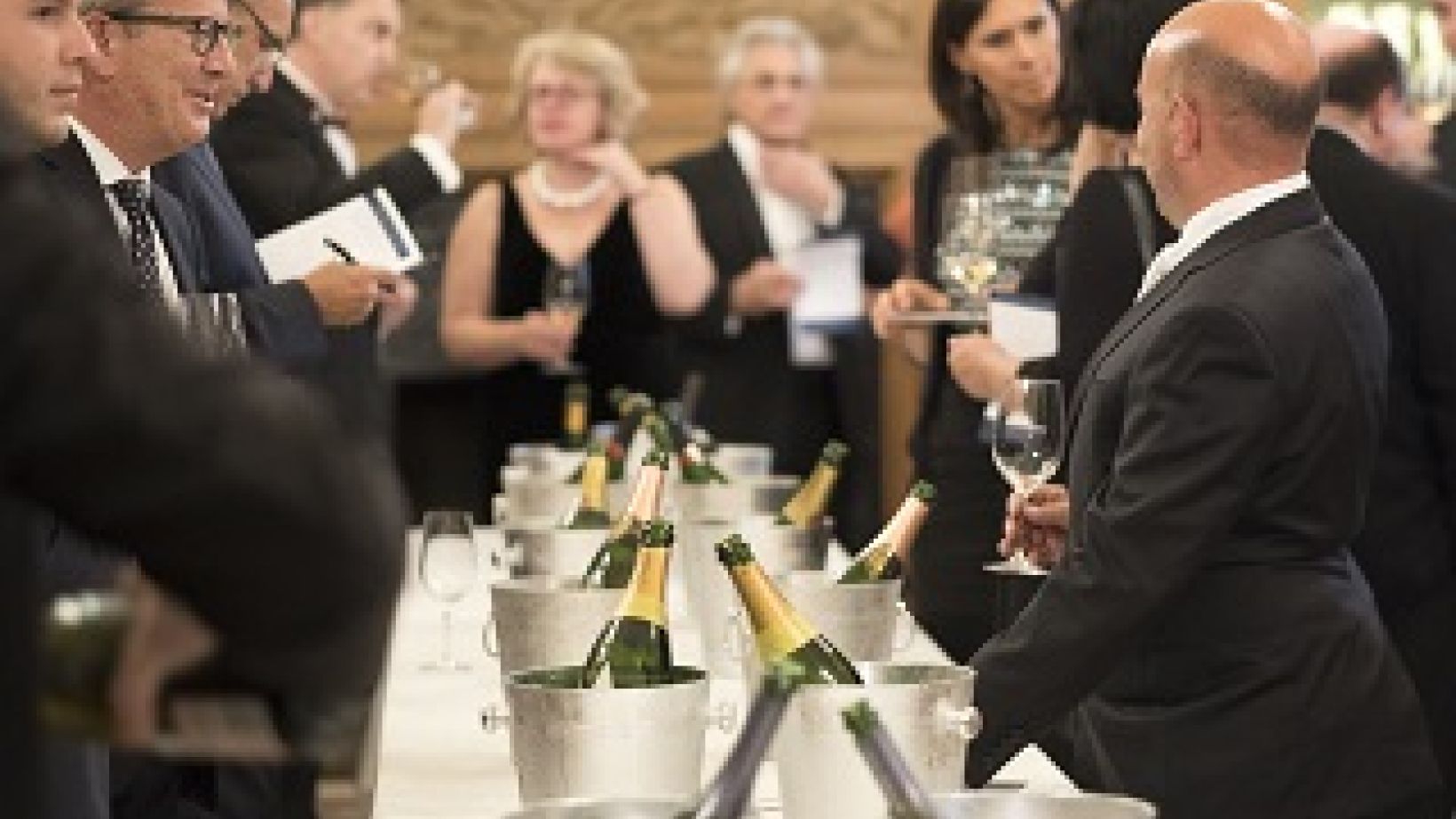
For the Champagne & Sparkling Wine World Championships (CSWWC), 2017 was a ground-breaking year, with entries from more countries than ever before. A total of 17 trophies were awarded from 82 Best in Class winners, including 10 National Champions and 4 World Champions by Style. The Klein Constantia 2013 Brut was named Best South African Sparkling Wine at Vintner’s Hall in London, in front of an audience of over 120 international winemakers, producers and journalists.
The South African winners at this competition were:
Gold
Klein Constantia 2013 Brut Cap Classique, Constantia, South Africa (75cl, 11.70%) 100% Chardonnay (7.4g RS)
Silver
Le Lude 2012 Agrafé (Future Release) Cap Classique, Western Cape, South Africa (75cl, 12%) 64% Chardonnay, 36% Pinot Noir (1.8g RS)
Le Lude NV Brut Cap Classique, Western Cape, South Africa (75cl, 12%) 68% Chardonnay, 32% Pinot Noir (6g RS)
Le Lude NV Brut Rosé Cap Classique, Western Cape, South Africa (75cl, 12%) 69% Pinot Noir, 19% Chardonnay, 12% Meunier (5.5g RS)
For full results, go to https://www.champagnesparklingwwc.co.uk/results/cswwc-2017-results/.

More from
Markets, business and trade

Does Government know what it’s costing you?
A decision made in Pretoria can change the way a wine business operates. But who makes sure the people making those decisions understand what happens on the ground? South Africa Wine’s Jordyn Goeieman takes us inside the often unseen work of influencing the policies that affect the industry.

All roads lead to Wine Paris
With professionals from more than 169 countries attending Wine Paris in 2026, the exhibition has become an increasingly important meeting point for the global wine trade. Nicolas Cuissard, Director of Wine Paris, speaks to WineLand about the exhibition’s growing international influence, opportunities for South African producers and what it takes to turn participation into business.
Before you bottle it, can you sell it?
A good wine and an attractive label are not enough to build a sustainable business. South Africa Wine’s Phil Bowes explains why finding customers, testing assumptions and understanding the numbers should come before committing to a new wine brand.