
Tapping into the remote working trend
Remote working represents a golden opportunity for South Africa’s hospitality sector – particularly in the Cape Winelands. Jeremy Clayton shares how the President Hotel has tapped into this trend to appeal to locals and put Cape Town back on the map.

· 5 min read
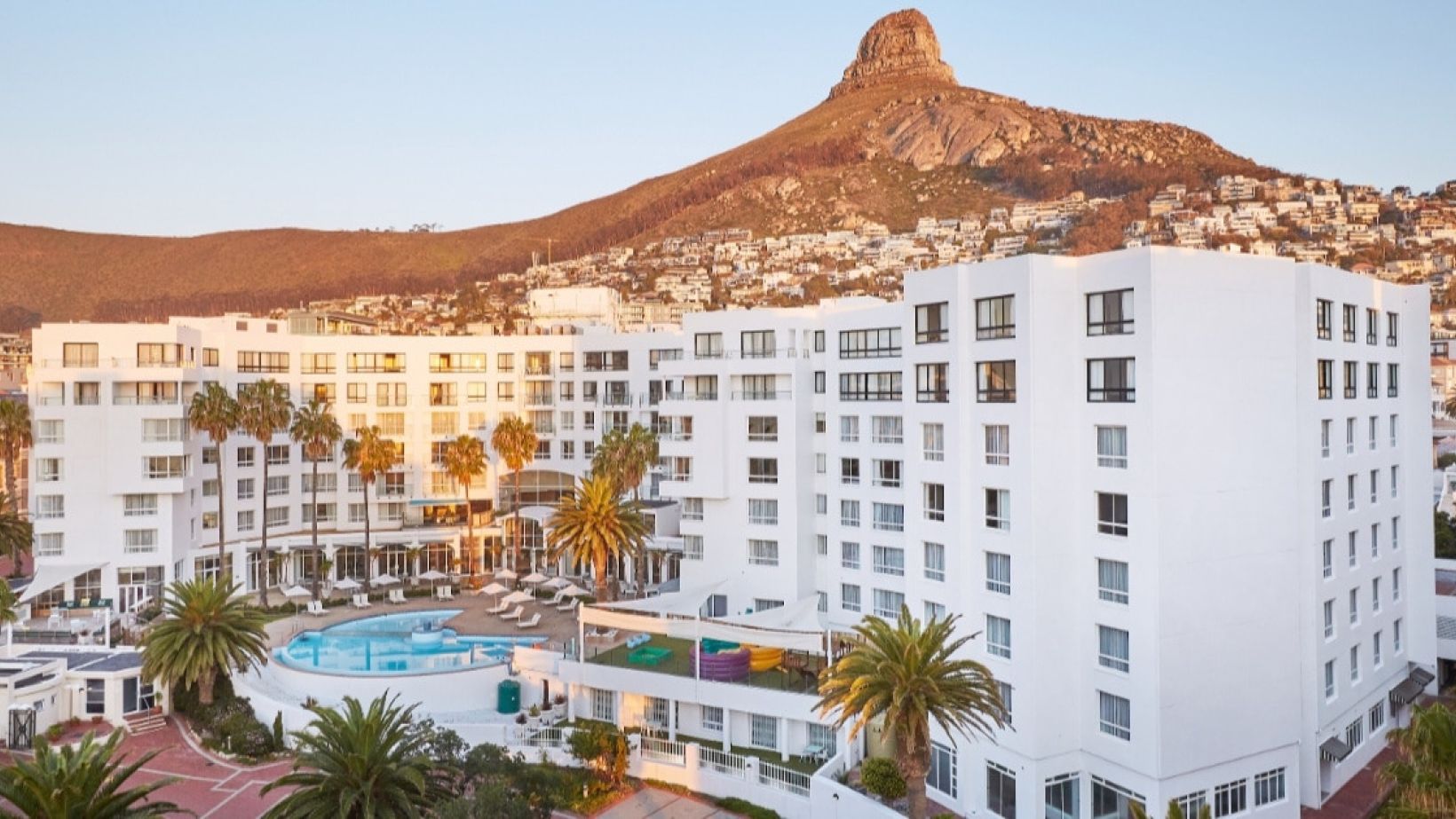
A recent study by Nestpick has ranked Cape Town as one of the best cities in the world for people who work remotely. Remote working represents a golden opportunity for South Africa’s hospitality sector – particularly in the Cape Winelands.
The single biggest challenge currently facing the tourism industry in South Africa is without a doubt the Covid pandemic and the extremes of lockdown measures. Although there’s an understandable need to control the pandemic, these measures have had an extremely detrimental effect on international bookings – the lifeblood of South African tourism. Many businesses have had to close down temporarily and, in some cases, permanently. Hubs such as Sandton, in Johannesburg, and Cape Town were the hardest hit.
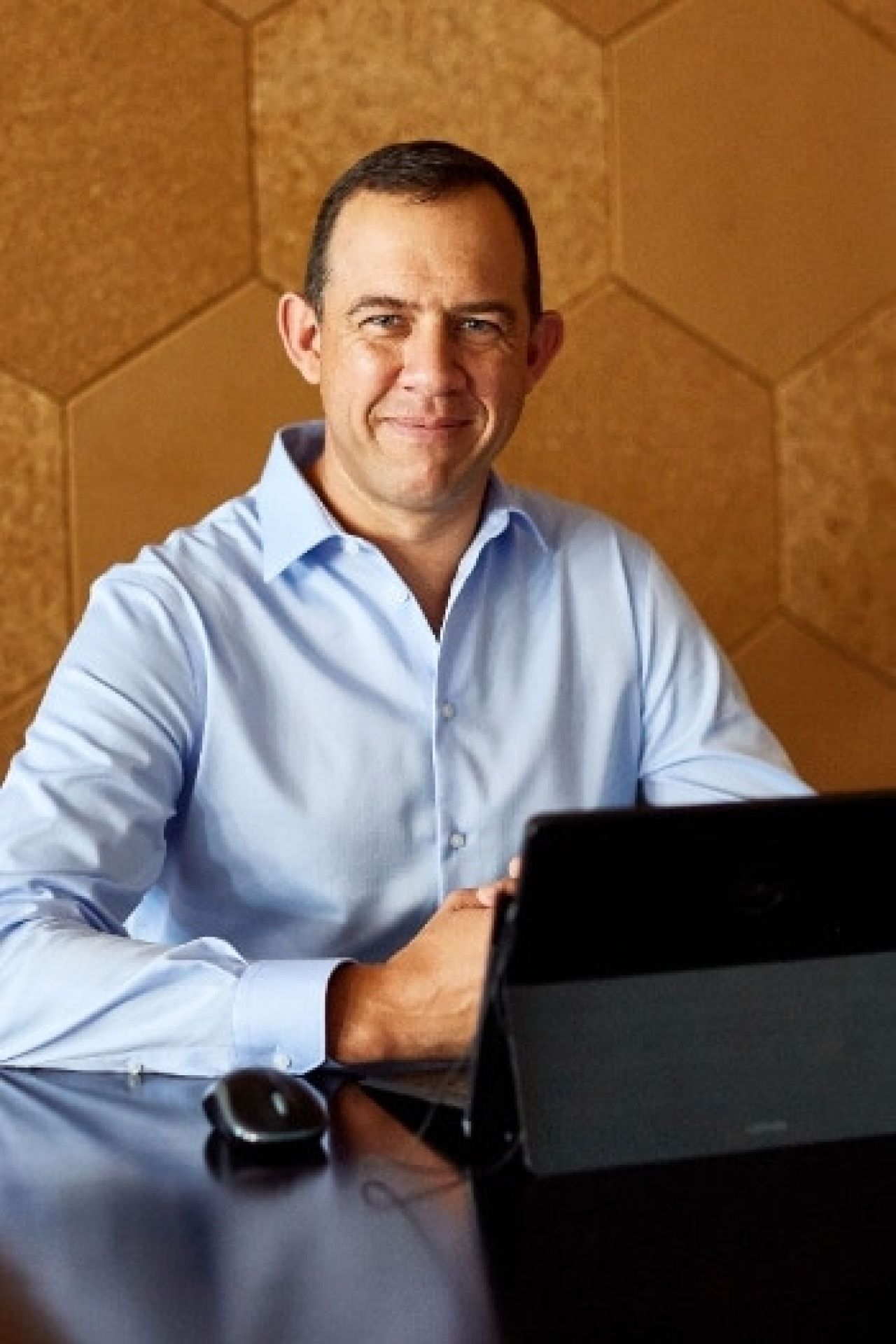
“Tourism is the second biggest employment sector in our country,” explains Jeremy Clayton, Executive Director of the President Hotel in Cape Town and Chairman of Fedhasa (Federated Hospitality Association of South Africa). “It’s critical that we open up and encourage internal tourism to keep our country afloat, both in the informal and formal sector.”
Digital nomads
With regular patterns of work and travel severely disrupted by the pandemic, the global trend of remote work has gained new momentum and is creating new opportunities. “It has been a growing trend for a while, but was massively accelerated by Covid,” says Jeremy. “Remote working has enabled digital nomads to be situated where they want to be, rather than where they previously had to be. This bodes really well for South Africa, and notably the Cape, where we have seen a fantastic upward trend with digital nomads and we expect the trend to keep accelerating. Many of these digital nomads have started branching out from Cape Town along the coast and inland into Paarl.”
Besides the uptick in digital nomads, Jeremy has also noted a trend of longer visits. “Guests are spending longer holidays in quality places rather than a short two-night stay here and there.”
Tap into the trend
The President has pivoted accordingly, especially towards the local market. This was achieved through more competitive pricing, putting child minders in place during school holidays, and adding various tour packages around the Cape. A daycation special gives locals access to a day room, hotel facilities, pool and kids’ play area from 9 am to 4 pm, while mini staycation packages and promotions include braai days by the pool and family pizza-making Fridays. “We also have complimentary wine tasting for our guests so they can sample the best South African Wines have to offer.”
There’s also a staycation special targeting working professionals. “We ensure that we know and cater to our guests well by recording their likes and dislikes, arranging value-adds and ensuring our service is really top notch so that we guarantee repeat and returning guests.”
Different needs
Remote workers require different and more nuanced services than leisure travellers, who are much more relaxed. “They’re often working on deadlines, working office hours, and need stable WIFI connections, quieter areas and office capabilities. Digital nomads are partly on the remote worker clock and partly on the leisure clock so there needs to be a good balance. This is reflected in our messaging to them that we put out in our marketing and how we communicate our offering – enabling quick coffees before conference calls in a solid business environment, but also booking a tour to the winelands or arranging the Red Bus tour for them during their leisure hours.”
Opportunity calls
How can the wine industry get involved? “There is a huge opportunity for wine tourism here. The Winelands are not only appealing and absolutely picturesque, but also equipped with first world facilities and capabilities for remote working,” says Jeremy. “Digital nomads certainly look for beautiful spaces to base themselves from and then spend their leisure hours exploring which make the Winelands an ideal destination. This should absolutely be a key area for wine tourism to focus on and grow as an opportunity at this time.”
Jeremy suggests wine farms should carefully assess their offerings. “They need to develop quality infrastructure and suitable packages that allow digital nomads to work seamlessly. This will be key for international and domestic guests. Literature around their offerings needs to then be created and actively marketed via social media and other marketing channels to see if they can attract those longer stay opportunities.”
Future plans
Although it’s still early, the trend of remote work is growing and extending into eco-tourism – another promising sign for South Africa.
“We’re looking to build a ‘digital nomad circuit’ where remote workers spend 3-6 months exploring the best South Africa has to offer in the most spectacular locations, with world class facilities at prices on a par with rent in other international cities,” says Jeremy. “It’s an exciting time if we embrace the opportunity. If we put the infrastructure in place in these early days, we can reap the success in years to come.”
Jeremy Clayton is the Executive Director of the President Hotel, Cape Town and Managing Director of Turnkey Hospitality – an international hospitality company. His professional experience includes over two decades in executive leadership at leading hotels around the world.
Jeremy’s primary role is as Executive Director of The President Hotel where he focusses on commercial and asset growth as well as medium and long term strategic projects.
As Chairman of Fedhasa (Federated Hospitality Association of South Africa) Cape, Jeremy works closely with public and private partners and tourism associations to drive tourism growth and sustainability in the Cape and South Africa. Jeremy represents the hospitality sector on the JAMMs forum which brings together all the major tourism partners from both private and public sectors in the Cape.

More from
Markets, business and trade
How research is changing the wine we drink
Wine research starts long before the bottle reaches the shelf. It gives producers a better understanding of what happens in the vineyard and cellar, while providing evidence for decisions that can affect the wine consumers eventually drink.
Precision Fermentation: Biotech to balance Flavours, Acid and Alcohol
As warmer vintages widen the gap between ripeness and freshness, a new generation of selected yeasts lets winemakers rebalance wine during fermentation, not after.
WBWE – a global business barometer
If you want to understand where the global wine industry is heading, don’t look only at retail shelves or export statistics. Look at what is happening in the bulk wine market.