
Third wave NOT an opportunity for grandstanding, says SALBA
· 3 min read
The South African Liquor Brandowners Association (SALBA) has noted the media release of 16 May 2021 from Southern African Alcohol Policy Alliance (SAAPA) calling for restrictions on alcohol advertising and other alcohol policy interventions that are irrelevant to the national response to the possibility of third wave of Covid-19.
The statement demonstrates SAAPA’s lack of regard for the state of the country’s economy, growing unemployment and collapse of businesses partly as a result of the three bans on alcohol sales over the past year.
Sibani Mngadi, Chairperson of SALBA said it was disturbing that SAAPA, which has made no contribution to national COVID-19 response, is calling for another restriction on alcohol sales.
Noting the contribution of the alcohol industry, Mngadi said, “We donated more than 200 million litres of pure alcohol when the country was facing shortages of sanitizer. We have supported government procurement of PPEs and other consumables for hospitals. We have hired community patrollers to support compliance with COVID-19 protocols in outlets and financially supported the recovery of the restaurants, bars and taverns sector.”.
Mngadi called on SAAPA to demonstrate to the public the organisation’s contribution, if any, to the national COVID-19 response and/or promotion of responsible alcohol consumption.
“What SAAPA fails to understand is that South Africa is a Constitutional democracy with established and transparent rules for policy formulation and amending legislation. Lockdown regulations are there to help our country to respond to a specific, major problem of the COVID-19 pandemic. The national state of disaster is about saving lives from the pandemic while protecting livelihoods in a society challenged with a triple burden of unemployment, poverty and inequality. It is not a platform to further an individual entity’s agenda on anti-alcohol advocacy,” he said.
The South African alcohol industry and its stakeholders share the Government’s concern over the pandemic and will continue to support meaningful measures to flatten the curve.
The industry has repeatedly made recommendations to the Government through Nedlac on measures to deal with surges in cases of COVID-19 infections and will continue to work with government in an effort to save lives, while protecting livelihoods of a million jobs supported by the alcohol value-chain.
“The industry has suffered more than R36.3 billion loss in sales revenue and Government has lost R8,7 billion in excise tax and R29.3 billion in tax revenue (excluding excise tax) from the value chain as a result of the past three bans of alcohol sales. However, we stand by our commitment to being part of the President’s economic growth plan. The alcohol industry can—and does—play an important role as an engine of economic growth in SA,” Mngadi added.
He added that the vaccination roll-out is the ultimate solution to restrictions so that the economy can move toward recovery. This requires urgency in terms of rolling out the programme and the industry has repeatedly said it is willing to provide whatever logistical assistance the government requires to achieve this huge operational undertaking.

More from
Markets, business and trade
The next 25 years
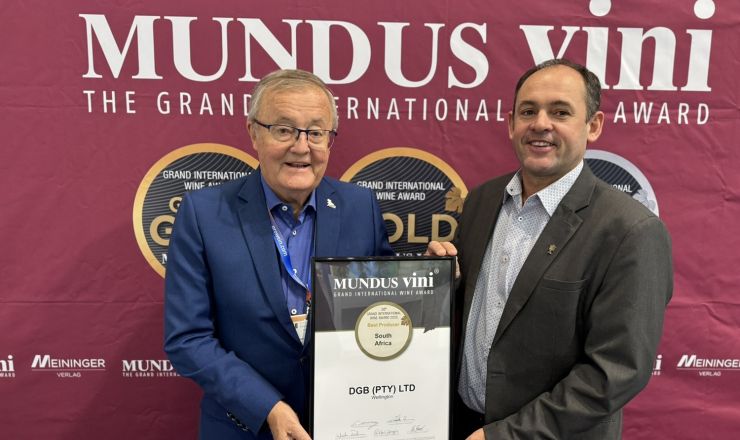
DGB has been recognised by Mundus Vini as its Best South African Producer over the past 25 years. But what will it take to remain successful for the next 25? We asked Executive Chairman Tim Hutchinson about premiumisation, changing consumer behaviour, climate, technology, and where he believes the next opportunities lie.
Paving the way to a sustainable wine trade
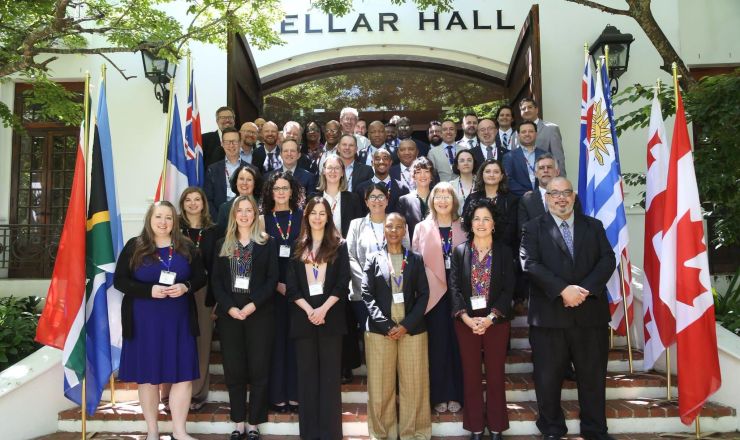
On 2 November 2026, WWTG Governments endorsed principles that governments may take into account to avoid unjustified or unintended impacts on trade for the wine sector related to sustainability policies.

Does Government know what it’s costing you?
A decision made in Pretoria can change the way a wine business operates. But who makes sure the people making those decisions understand what happens on the ground? South Africa Wine’s Jordyn Goeieman takes us inside the often unseen work of influencing the policies that affect the industry.