
Vollherbst incorporates materials and aromas with first-ever craftLABEL
· 3 min read
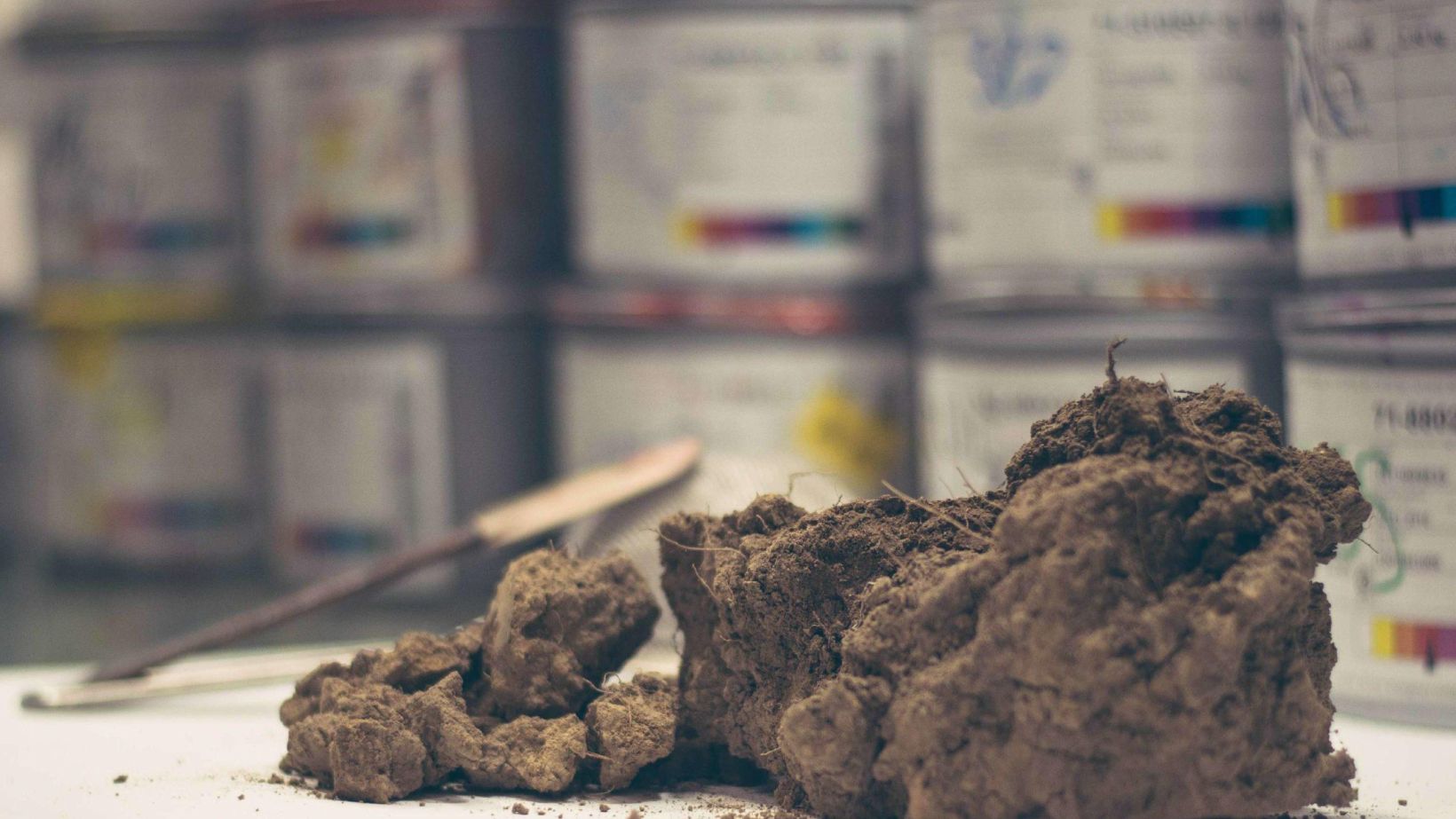

Few consumer products can rival the storytelling ability of wine, through its labelling it conveys a sense of place and heritage, or sometimes even the winemaker’s very own take on life and wine.
German company, Vollherbst Labels, is now taking this storytelling element of wines to the next level by incorporating actual tactile or aromatic elements from nature into bottle labels. With the company’s craftLABEL innovation, producers can now be extra imaginative and authentic with the labels they present consumers with.
With craftLABEL producers can incorporate raw materials, like a particular vineyard’s very own soil or the fynbos aromas of the Western Cape into their labels. “The ideas and possibilities are as limitless as the stories found in SA’s wine industry,” says Matthias Vollherbst, managing owner and CEO. “The storytelling element being a crucial part of an individual’s purchase decision.”
“The more expressive the product packaging, the better the positioning of the brand and the greater the appeal. This is especially true for beverages such as wine and spirits,” says Matthias. Using a process exclusively developed by Vollherbst Labels, material or aromas are incorporated into labels for a truly transcendent customer experience. “Think soil from any of South Africa’s diverse soil types, one-of-a-kind botanicals that form the heart of craft gin, or sand from the African savannah capturing the essence behind handmade liquor.”
Following the close observation of consumer trends and needs, craftLABEL was born. “Consumers want to buy regional products they trust and identify with. And while successful marketing is and always will be in the foreground at Vollherbst, craftLABEL is all about storytelling. The story, tangible on the label, breathes renewed depth into the product. This way, the product is no longer just a product, but tells the story of the brand,” explains Matthias.


The first craftLABEL was created at the Vollherbst headquarters in Endingen am Kaiserstuhl in Germany. “The region is known for its wines, most of which grow on loess soil. Everyone here is familiar with this enormously fine soil type – the feel, the smell and the colour. Especially for high-quality wines, origin plays a decisive role. A label that incorporates this loess soil, is the perfect brand story for a wine from our region. Thanks to craftLABEL, these elements find their way to the consumer.”
Every craftLABEL is special, every label unique and every material behaves differently, says Matthias. “craftLABEL is fine handcraftsmanship. Several tests are performed to determine the best mixing ratio – it is imperative that ingredients are visible and perceptible to the consumer. The production of craftLABEL has been developed based on conventional printing methods so that reproduction in large numbers is possible. craftLABEL can also be combined with almost all types of paper and colours.”
Case study: Karl Veit Winery
Karl Veit, a mineral-rich winery on the banks of the Moselle Valley in Germany, is not only known for its exquisite wine and natural viticulture, but also the area’s special slate soils. For Karl Veit, Vollherbst developed a craftLABEL depicting the estate’s history and characteristics of its vinous offerings. Slate from specific vineyard parcels was processed at Vollherbst and broken down into the smallest particles to blend perfectly with the varnish required for craftLABEL. The varnish was then applied to the paper using state-of-the-art technology and equipment.

More from
Markets, business and trade
How research is changing the wine we drink
Wine research starts long before the bottle reaches the shelf. It gives producers a better understanding of what happens in the vineyard and cellar, while providing evidence for decisions that can affect the wine consumers eventually drink.
Precision Fermentation: Biotech to balance Flavours, Acid and Alcohol
As warmer vintages widen the gap between ripeness and freshness, a new generation of selected yeasts lets winemakers rebalance wine during fermentation, not after.
WBWE – a global business barometer
If you want to understand where the global wine industry is heading, don’t look only at retail shelves or export statistics. Look at what is happening in the bulk wine market.