
Where have you set your horizon?
· 3 min read

“There’s always a sucker in South Africa,” an international bulk wine buyer told me recently, illustrating why we still hold the title as the world’s cheapest wine supplier.
Short-term decision making is hurting South Africa. While this applies to political squabbles set against a backdrop of tough economic circumstances, the wine industry can’t claim to be innocent either.
This again came to the fore at the recent Ibeta VinPro Bulk Wine Seminar, which featured a frank panel discussion about not very romantic but nonetheless weighty components of the industry. Prickly topics such as bottom-of-the-barrel (or most likely steel tank) prices, the swift shift to alternative crops and faulty wines were deliberated on in an open session of both buyers and sellers of wine. The theme was innovation in bulk wine business to establish sustainable profitibility again.
Wheelers and dealers who undercut their competitors were accused of driving prices down and setting a new lowest price that becomes the norm. Panellist DGB oenologist Jaco Potgieter also highlighted the fact that grapes that in the past would’ve been earmarked for brandy production are now often pressed for all their worth and sold as bulk wine. While this practice has a notable detrimental impact on overall quality, it makes a quick buck.
But at what cost?
If your answer is “about R3.30 a litre”, you probably fall in the short-term horizon pool. The cost is damage to the image of not only South African bulk wine, but wine in general. Some serious shifts are needed to sustainably improve the profitability of primary wine grape producers and straightshooting discussions such as these are essential to drive these changes.
Wine grape producers can hardly be blamed for uprooting vines in favour of citrus or pecans if wine is not profitable. In fact there are many examples where income from other crops currently subsidise wine grapes.
On the other hand, there are no quick fixes to replace a 50-year-old bush vine vineyard once it has been uprooted. The economic squeeze induces short-term survival tactics, often at the expense of heritage and irreplaceable assets.
South African darlings such as old-vine Chenin and more recently Cinsaut have made international wine punter headlines, but the picture is often bleak when it comes to the bottom line. VinPro’s production plan for instance shows that Cinsaut is anything but a new star when it comes to profitability. Yet.
Many key challenges facing the wine industry, whether it’s leaf roll or global brand building, require long-term investment, energy and commitment. And in most cases short-term fixes are detrimental to these efforts.
The South African wine trade has made it through ups and downs for 355 years. This is a long-term game and unless the horizons shift to improve long-term decision making, the ups and downs are bound to trend in the wrong direction.
Edo

More from
Markets, business and trade

Paris is calling. Again.
Wine Paris has become one of the important dates on the global wine calendar. For South Africa, being there matters. But being there with a plan matters more.
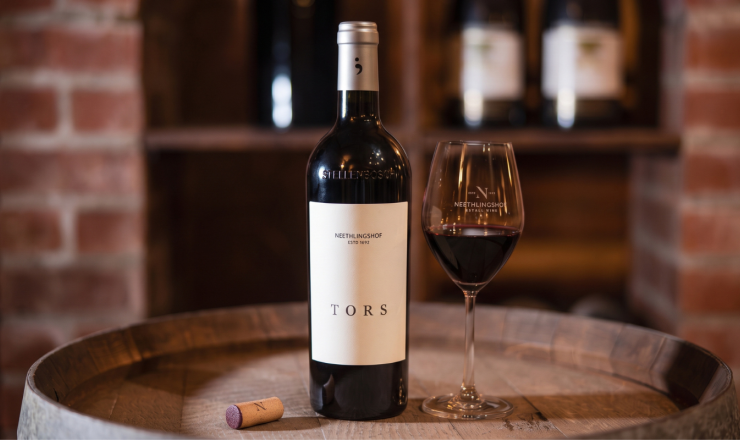
Neethlingshof debuts flagship red 'TORS' with Absa Cape Blend Top 6 Win
Neethlingshof Estate has introduced its flagship red, TORS, marking its debut with a win at the Absa Cape Blend Top 6 Awards for its maiden 2024 vintage. Crafted as the estate’s pinnacle expression, TORS was developed for fine wine collectors seeking a micro-vinified Stellenbosch blend shaped by site specificity and low-intervention winemaking.

The shelf has moved: how AI is changing the way consumers find wine
The way consumers find wine is changing. A decision that once happened in front of a shelf or with advice from a wine retailer can now start with a question typed into an AI platform.