
What will wine buyers want in 2027?

· 6 min read
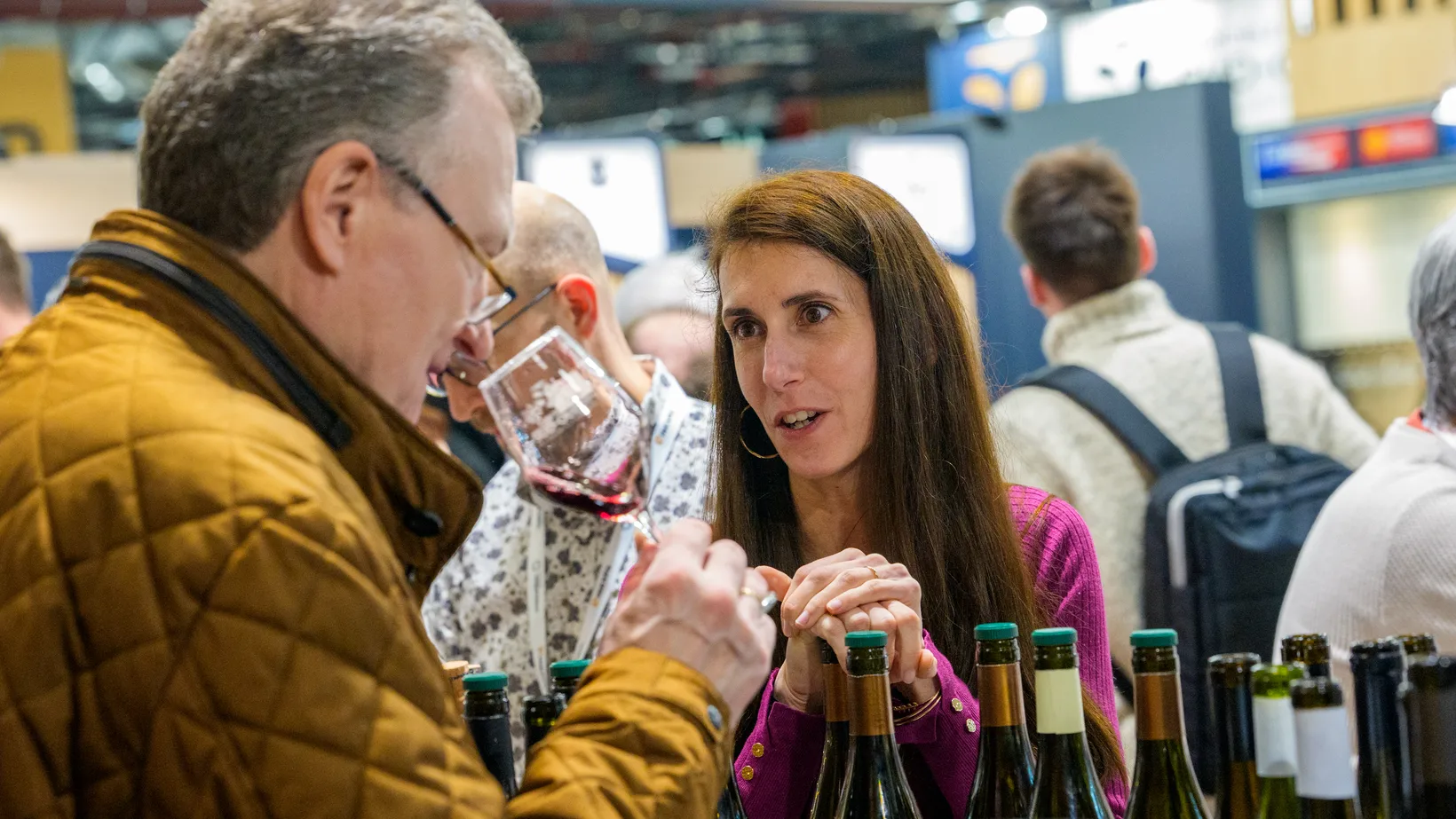
Wine buyers in 2027 are expected to weigh value, freshness, provenance and changing drinking occasions, rather than follow one shared shopping list. South African producers should explain each wine’s price and place in a portfolio, backing claims about origins, farming and quality with specifics. Wine Paris offers a chance to test assumptions and learn what different markets need, including interest in lighter styles and no- and low-alcohol alternatives.
Summary written by AI from this article. The full article is under “Deep dive”.
The wine world is not short of challenges at the moment. Consumers are drinking differently. Household budgets remain under pressure in many markets. Established wine countries are dealing with oversupply, and younger consumers are changing the rules around when, what and why they drink.
So when Wine Paris returns from 15 to 17 February 2027, buyers will not arrive with one neat shopping list. That is probably the first thing producers should keep in mind.
Rodolphe Lameyse, CEO of Vinexposium, has described the current market as one seeking a new balance while costs rise and business conditions change rapidly. He argues that the industry needs a reliable compass to identify trends and commercial opportunities. Wine Paris is part marketplace, part meeting place and, increasingly, part reality check.
There is no neat answer to where that compass is pointing. But Vinexposium's market intelligence highlights a few shifts worth watching.
Value matters. Cheap isn’t the answer.
Consumers have not suddenly stopped wanting premium wine, but they appear more selective about when something deserves the extra spend. Affordability matters. So does perceived value.
For South Africa, that should not automatically mean it is cheaper. The more useful question is whether the reason for the price is clear.
That reason could be an old vineyard, a distinctive site, scarcity, quality, sustainable farming or simply a wine that performs exceptionally well at its price. Whatever it is, the buyer still has to see where the bottle fits in a portfolio and why a consumer would choose it.
Vinexposium’s buyer research in Quebec offers an interesting example. Value for money has become central to purchasing decisions there, while freshness and drinkability are supporting interest in white wines and lighter reds.
Not every market will behave like Quebec, obviously. But the underlying question is relevant everywhere: what makes this wine worth its price?
For South African producers, that means arriving at buyer meetings with more than a price list. It means understanding the commercial position of each wine and explaining why it belongs on a particular shelf, wine list, or portfolio.
Freshness, provenance and the changing consumer
The same Quebec research points to interest in lower-alcohol wines, provenance, sustainable practices and clearer information about alcohol and sugar content.
There is an interesting combination here: buyers are looking at what is in the glass, but also at where it comes from and how clearly the producer communicates that information.
Sébastien Clermont, president of Quebec-based Tanium Vins et Spiritueux, told Vinexposium that personal contact and the producer's story still matter.
The point, though, is not to arrive with a longer origin story. Buyers have heard plenty of those. The story has to connect with something that matters in their market now.
Authenticity is a word the wine industry uses often. Perhaps too often. In Paris, it will be more useful when it is specific.
For South Africa, that could mean explaining what an old vineyard contributes to a wine, why a particular site produces a distinctive style or how farming practices influence quality. Regionality, heritage and sustainability become more meaningful when they are supported by something tangible.
And while sustainability remains an important part of the conversation, producers should be prepared to explain what they actually do, rather than rely on broad claims.
New drinking occasions, new opportunities
Younger consumers add another layer. Vinexposium’s market analysis, drawing on IWSR research, suggests Gen Z is not simply abandoning alcohol. Younger consumers of legal drinking age are making more selective choices, balancing moderation with discovery and becoming more deliberate about value and occasion.
Nicolas Cuissard, Director of Wine Paris, has pointed to a similar change, with new generations seeking authenticity and meaning while balancing pleasure, creativity and responsibility.
The growth of no- and low-alcohol alternatives is one visible part of that change. In 2027, The Other Sip will sit alongside Wine Paris and Be Spirits as a dedicated space for no- and low-alcohol alternatives. Traditional wine producers should probably walk through it, even if they have no such product in the pipeline. It may say as much about changing drinking occasions as it does about the category itself.
The question is no longer only which wine consumers will choose. It is also when they choose wine, what they expect from the occasion and what else is competing for their attention.
That is worth understanding, even for producers whose focus remains firmly on traditional wine.
Different markets. Different buyers. Different opportunities.
Geography is changing too. Vinexposium sees developing markets as increasingly important as several mature beverage-alcohol markets struggle. India, Africa and parts of Asia are frequently mentioned as areas of opportunity.
But there is an important qualification: these are not interchangeable markets. Regulation, distribution, culture, purchasing power and consumer behaviour differ, sometimes dramatically. For South African producers, that makes curiosity useful.
A buyer from Lagos, Stockholm and Toronto may all like the same wine for completely different reasons. The proposition cannot simply be copied and pasted from one market to the next.
This is also where an international exhibition such as Wine Paris becomes useful. With buyers from a wide range of markets in one place, producers have an opportunity to test assumptions, ask questions and better understand where their wines might fit.
That does not mean every conversation will lead to a listing. But it may reveal which styles are gaining attention, where pricing is becoming difficult, what information buyers need and which markets deserve a closer look.
What does this mean for South Africa?
South Africa has plenty to work with. Old vines, distinctive regions, established varieties, premium wines, accessible wines and producers with very different approaches to winemaking. But diversity is only an advantage when buyers can understand it.
Some buyers in 2027 will be looking for value. Others will want provenance, freshness or lighter styles. Some will be exploring lower-alcohol alternatives. Others will still pay well for something genuinely distinctive. Sustainability may be a purchasing requirement in one market and a point of differentiation in another.
The temptation is to chase every trend, but that is probably not the answer. For South African exporters, the more useful approach is to understand which buyers and markets are right for their wines, and to be ready to explain why.
Perhaps the better question in Paris is a smaller one: what does this buyer need, in this market, now? And is there a credible reason for a South African wine to be part of the answer?
Wine Paris 2027 takes place from 15 to 17 February at Paris Expo Porte de Versailles. Visit wineparis.com for more information.

More from
Markets, business and trade

The business of building a wine brand
Getting a wine brand onto the market is an important first step, but securing a lasting place on the shelf is a different challenge. This was one of the central issues at South Africa Wine’s Inclusive Growth Indaba, held at The Wine Arc in Stellenbosch on 17 November 2026.
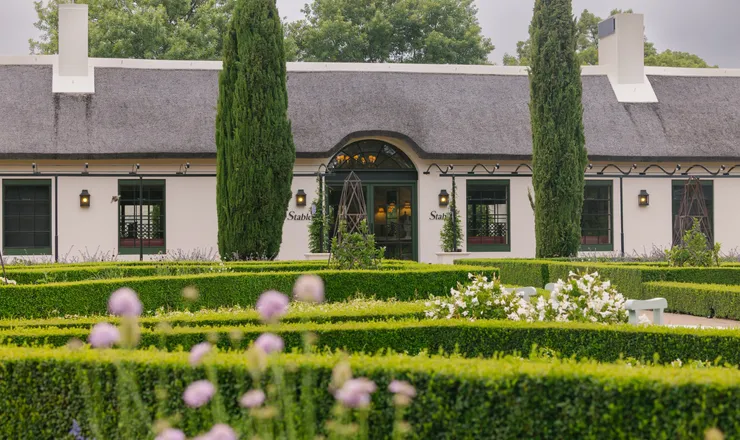
Stables restaurant reopens
Vergelegen Wine Estate has officially reopened its beloved Stables Restaurant, a triumphant milestone after a devastating fire destroyed one of the Somerset West estate’s best-loved hospitality spaces.

The next 25 years
DGB has been recognised by Mundus Vini as its Best South African Producer over the past 25 years. But what will it take to remain successful for the next 25? We asked Executive Chairman Tim Hutchinson about premiumisation, changing consumer behaviour, climate, technology, and where he believes the next opportunities lie.