
Women at the wheel: Seabourne Logistics celebrates female leadership this Women’s Month
This Women’s Month, Seabourne Logistics shines a well-deserved spotlight on the women shaping its success across the country. In an industry historically dominated by men, Seabourne has carved out a different path—one defined by progress, intention, and results. Today, 46% of Seabourne’s managers…
· 3 min read
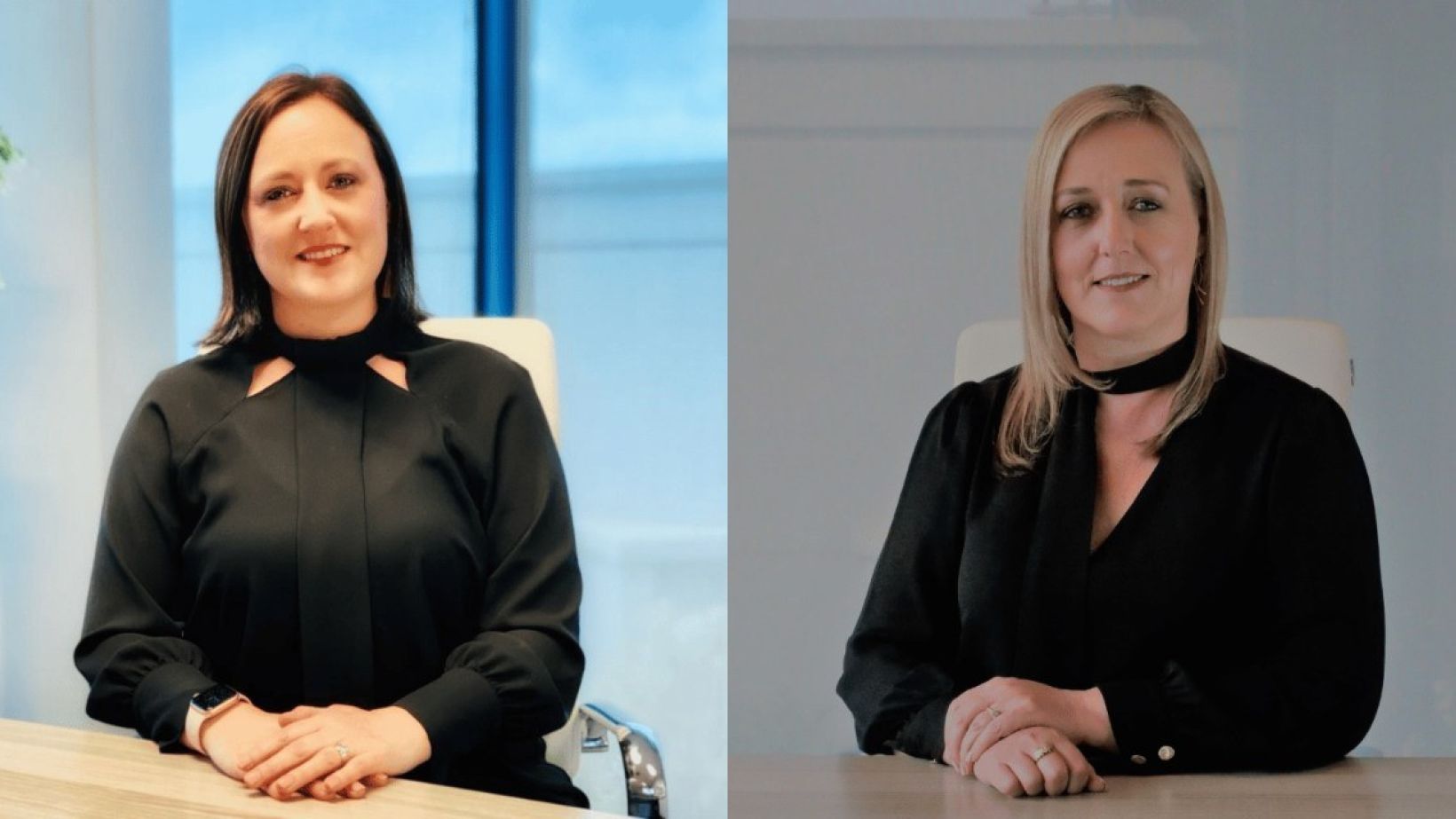
“Leadership isn’t about position—it’s about impact,” says Ezelle Harris, Managing Director of Seabourne Logistics South Africa. “At Seabourne, we’ve seen time and again that investing in women is good for business. Many of our female managers started out in junior positions and have grown into their current leadership roles through hard work, mentorship, and a company culture that values potential over hierarchy.”
This statistic is not just impressive—it’s deeply intentional. Over half of the women in management roles at Seabourne began their careers in administrative or support roles. They were identified early on, supported through structured development plans, and promoted into leadership based on merit and capability. It’s a model that works—and it’s one Seabourne is committed to strengthening.
In her recent article Empowering Women in Logistics: Lessons from My Journey, Ezelle reflects on what it has taken to break ground in logistics:
“My journey has been one of determination, breaking barriers, and proving that leadership is not defined by gender but by capability and vision. I’ve witnessed first-hand how women are reshaping the industry with their resilience, strategic thinking, and ability to drive meaningful change.”
That spirit is visible throughout Seabourne’s national footprint. Today, the company’s branches in Nelspruit, East London, Bloemfontein and Durban are all led by women. In some locations, such as Nelspruit and East London, the entire leadership team is female—with the only men on site in operational roles. These branches are not only performing; they are thriving—testament to the strength and capability of women leaders at Seabourne.
Taryn Le Roux, HR Director at Seabourne Logistics, says this is no accident.
“Our people development strategy has always prioritised internal growth and equal opportunity. We don’t just talk about empowering women—we build the systems to make it happen. From skills development and mentorship to leadership coaching and cross-functional exposure, we ensure that women in our business have every opportunity to thrive.”
And thrive they do. Across the organisation, women at Seabourne are leading teams, innovating operations, and delivering on complex logistics challenges with insight and professionalism. Their presence has also brought important shifts in how teams communicate, collaborate, and manage change—bringing balance and fresh perspective into an industry that’s often been slow to adapt.
Seabourne’s approach is part of a bigger vision—one that sees inclusion not as a box to tick, but as a competitive advantage. By creating environments where women are valued, heard, and supported, Seabourne not only builds stronger teams—it builds a better business.
“Inclusivity is not about quotas or optics,” adds Harris. “It’s about creating space where the best ideas rise to the top, where different perspectives enrich how we serve our clients, and where everyone, regardless of gender, has a fair shot at success.”
This Women’s Month, Seabourne is proud to celebrate the journeys of its female leaders—those who started out at reception desks and now run branches, those who balance logistics schedules with school pickups, and those who are mentoring the next generation of women to lead with confidence.

More from
Markets, business and trade

A certificate is not a career
The wine industry invests in training, but how do we know whether it is making people better at their jobs? South Africa Wine’s Kachné Ross believes the answer lies in looking beyond courses and qualifications to what people can do.
Before the first sip: What your wine bottle is already saying
A wine bottle protects what is inside. It also tells a story about the brand, influences how consumers perceive value and has implications for everything from production costs to sustainability. So, how much thought should go into choosing the right glass?
Your stand is not your strategy
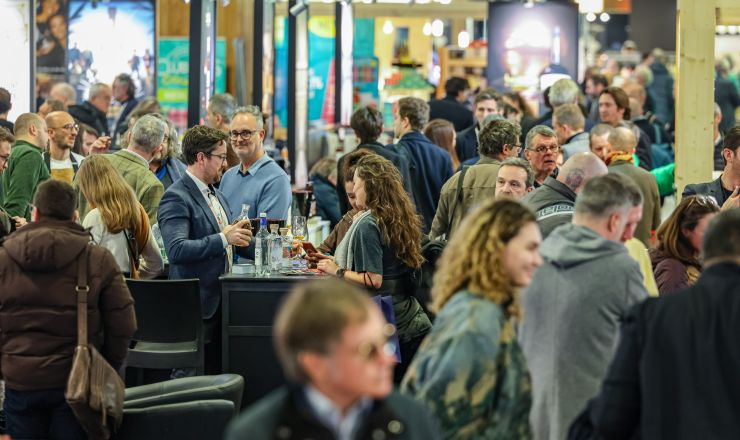
Three days, thousands of potential connections and one chance to make an impression. As South African producers prepare for Wine Paris 2027, Carolyn Martin, co-founder and marketing director of Creation Wines, shares what it takes to turn a trade exhibition into meaningful business. From choosing the right buyers to knowing which wines to pour, her advice is simple: arrive prepared, stay curious and remember that relationships matter more than business cards.