
New water allocations will help the agricultural sector recover from the impact of the drought
· 3 min read
Minister of Economic Opportunities Beverley Schafer welcomes the new water allocations for agricultural, domestic and industry use.
The allocations, done in November every year, calculate how much water will be allocated to the agricultural sector, depending on dam levels.
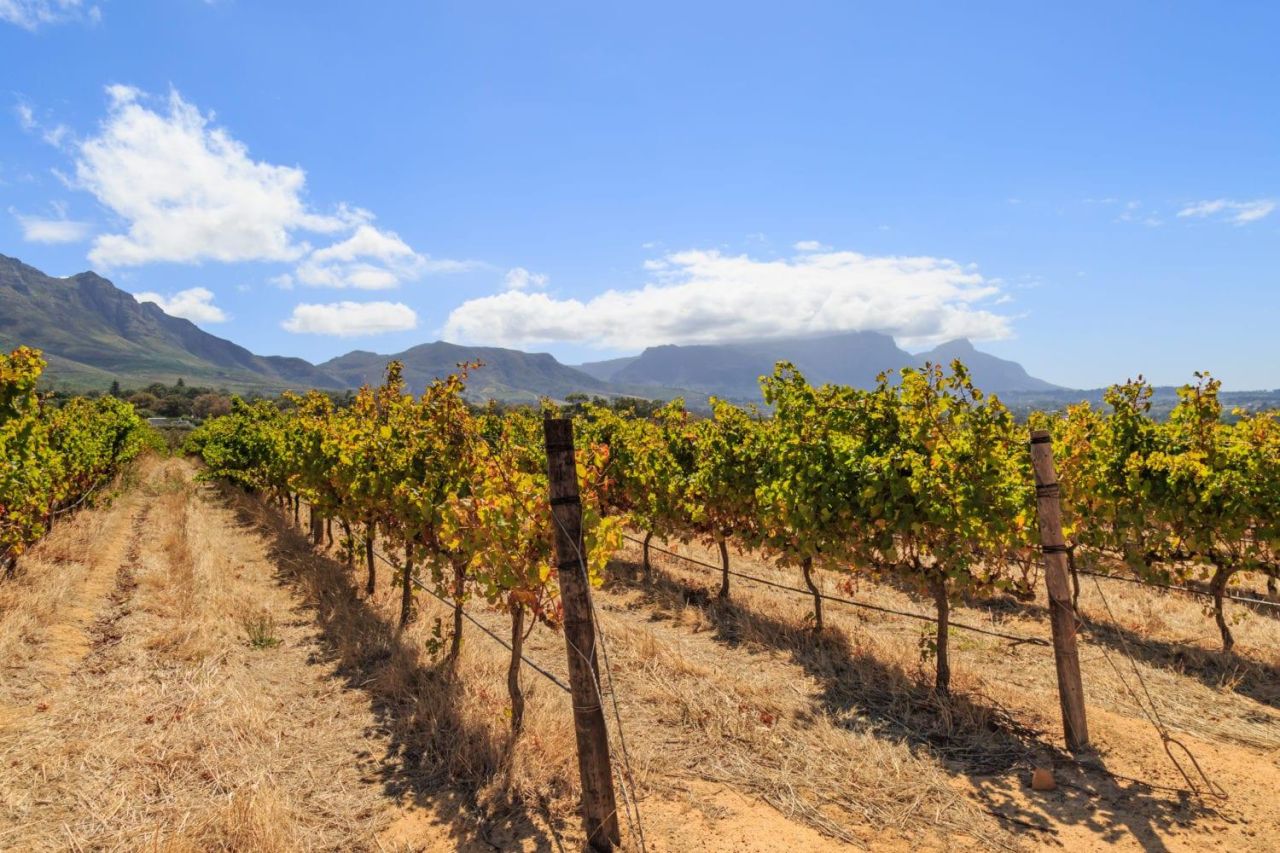
Minister of Water and Sanitation, Gugile Nkwinti wrote to MEC Schafer this week indicating that agriculture in the province will receive 90% of the water they were receiving before the drought hit the Western Cape three years ago, this translates to a 10% restriction.
Minister Schafer said: “We thank Minister Nkwinti for engaging on this matter and for taking into consideration the importance of the agricultural sector for our economy and for job creation in the Western Cape. Last year, the agricultural sector had to use, on average, 60% less water than they were using before the drought, resulting in an average 20% production decline, job losses and an economic impact of R5.9 billion.”
“Agriculture and agri-processing are responsible for creating over 300 000 jobs in the Western Cape in mostly rural areas. In the second quarter of this year, we saw 27 000 jobs lost in this sector, primarily as a result of the drought. This reflected in our rural unemployment rate, which had reached a historic low of just 14.6%, climbing back up to 19.6%. With recent good rains, we have seen some recovery. These new allocations will go a long way towards helping this sector recover, and will positively impact the lives and livelihoods of many of our residents, as we head into the new year”.
“We also note that the domestic and industry users in the City of Cape Town, Saldanha Bay, and the Swartland and West Coast district municipalities, have received a 30% restriction in line with their request. At the peak of the drought this year, the City of Cape Town was operating on a 45% restriction. This will assist the metro economy to recover, while still keeping water usage in check,” Minister Schafer said.
“The positive engagement by all spheres of government in determining these allocations reflect good inter-governmental relations and communication,” she said.
Minister Schafer also appealed to all farmers, businesses and private water users to continue to use water responsibly.
“Conservation agriculture practices and smart farming played an important role in ensuring that the agricultural sector would survive the drought and I urge all farmers to continue employing these beneficial practices, and for businesses to continue to seek out and use alternative water sources, in order to build their own resilience.”

More from
People, community and tourism
The Portrait of a South African Winemaker
In James Joyce's A Portrait of the Artist as a Young Man, Stephen Dedalus resolves to express himself "as freely as I can and as wholly as I can". Joyce's hero refuses to be just one thing. That same many-sided energy is increasingly being asked of the modern South African winemaker, who has to adopt different faces for different places.

Who will drink South African wine tomorrow?
Tomorrow’s wine drinker is already here, standing at the braai with a can in one hand and a phone in the other. South African wine still has time to join the occasion, although it may need to loosen its collar first.
Ice in the Chenin and other South African wine crimes
There is ice in the Chenin Blanc, Cap Classique in an ordinary wine glass and a bowl of curry waiting beside a bottle of something pink. By old wine standards, the afternoon is a small crime scene.