
GDP numbers confirm that WC agriculture is pushing forward
Compared to Q1 2021, recent Q1 2022 GDP and employment numbers confirm Western Cape agriculture is pushing forward.
· 4 min read
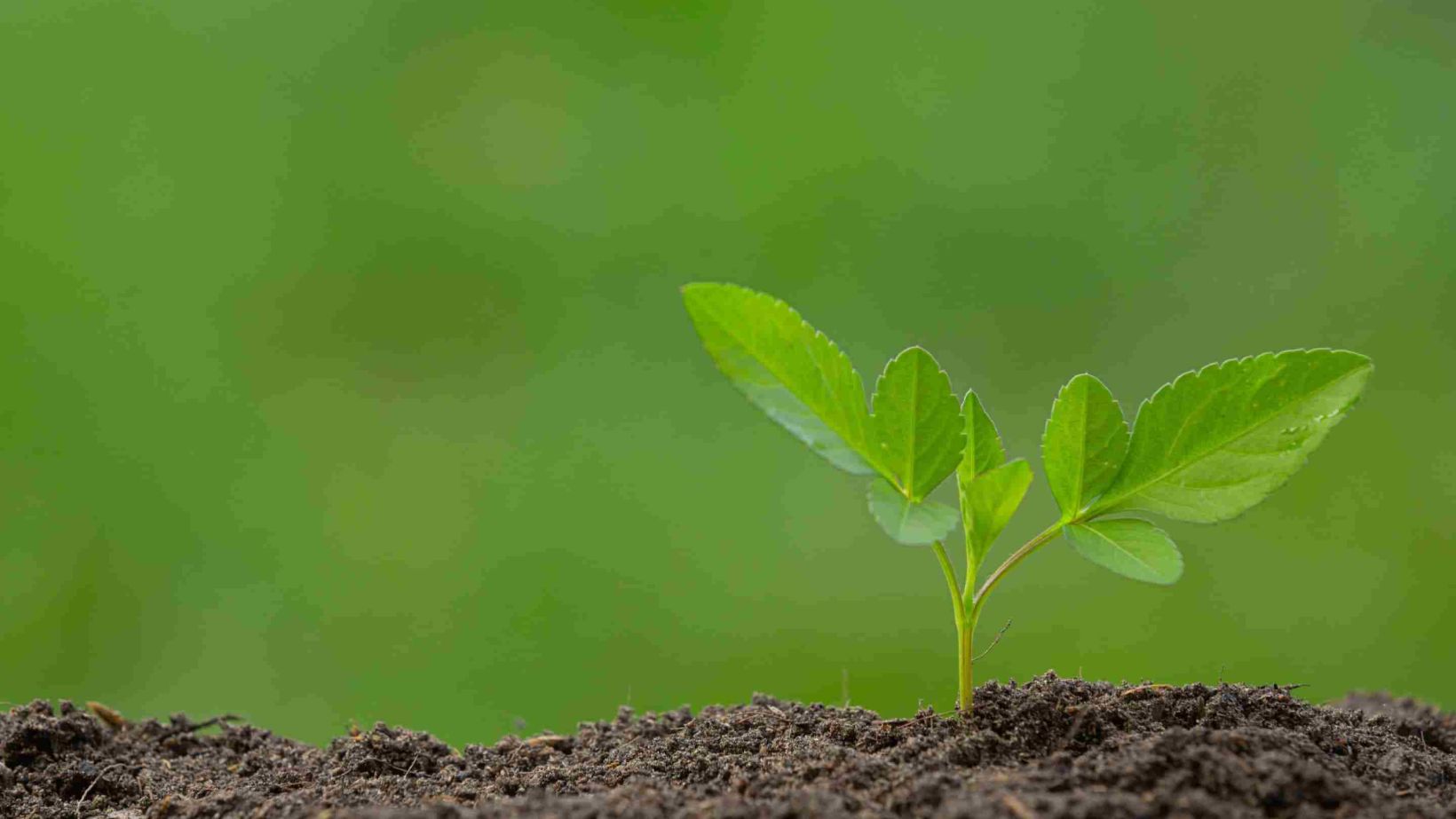
Compared to Q1 2021, recent Q1 2022 gross domestic product (GDP) and employment numbers confirm that Western Cape agriculture is pushing forward.
StatsSA GDP numbers show that South Africa’s (RSA) economic performance in the 1st quarter of 2022 grew by 1.9% quarter-on-quarter (q/q) and 3% year-on-year (y/y).
The GDP growth in the 1st quarter of 2022 was driven by the positive performance in eight of ten industries. This includes agriculture which increased by 0.8% (q/q) and 3.6% on a (y/y) basis due to the substantial contribution of the horticultural sector.
The Western Cape province is the dominant player in the horticultural sector. The observed real gross income growth highlighted the deciduous and other fruit, vegetables, and subtropical fruits as the top three performing products. Moreover, in terms of annual growth rate, the subtropical fruits showed a positive increase of 16% in value terms, followed by tea, vegetables and dried fruits which increased by 14%, 9% and 7%, respectively.
StatsSA’s recently released Quarterly Labour Force Statistics (QLFS) highlights that the Western Cape Province had overall positive employment growth of 1.5% (33 207) (q/q). At the same time, the provincial agricultural employment numbers show a significant increase of 49.8% in the first quarter of 2022 (y/y).
A total of 67 581 primary agricultural jobs were created in the 1st quarter of 2022 (y/y). The agri-processing employment numbers increased by 13 647 in the 1st quarter of 2022 (y/y).
Over the past two years, agriculture’s strong growth has driven job creation within the WC agricultural sector. These figures confirm that despite C19 and the severe drought, agriculture is resilient in the WC, says Western Cape minister Ivan Meyer.
“The agricultural industry is driving economic recovery. I want to thank all our farmers, agri workers and producers in the agriculture value chain.”
WATCH: Introduction to agriculture
ALSO READ: Western Cape launches Africa agriculture strategy
The Western Cape Department of Agriculture launched its Africa Agricultural Strategy for the Western Cape in May 2022.
Western Cape Minister of Agriculture Dr Ivan Meyer said that the strategy focuses on co-creation within economic development, job creation, and food security.
“The African market offered great trade opportunities and was essential to South Africa and the rest of the world. We aim to unlock agricultural opportunities in Africa and the Western Cape Agricultural Sector, including agricultural trade products, inputs, services, technology partnerships, information, skills development, training and logistics,” says Ivan.
Meyer continues: “Africa is the third-largest market of the Western Cape’s primary agricultural exports, accounting for R4.3 billion in 2021. The African market imports share of 41% for agricultural exports comes from South Africa. Globally it accounts for 2.9% of global imports and contributes 2.8% to the world economy. Furthermore, during 2012-2017, the average annual GDP growth increased by 4.3%, the second fastest-growing economy after Asia at 4.5%.”
Welcoming the strategy, the Consul General of Angola, Mr Sebastião De Carvalho Neto, highlighted that agriculture was the base for economic development and the fight against poverty and hunger.
“The Angolan Government is looking at diversifying its economy with a strong focus on agriculture. We are looking at production capacity, innovation and technology and market opportunities. The Department of Agriculture’s African Strategy for the Agricultural Sector lays the platform to strengthen bilateral links and develop a more focused approach to our relationship with the Western Cape Government, Wesgro and the Department of Agriculture,” he says.
Siobhan Thompson of Wines of South Africa highlights the importance of an African-South Africa wine Growth Strategy.
“South Africa’s wine exports to other African countries increased from about 15,5 million litres in 2020 to 23,4 million litres in 2021. For example, between 2020 and 2021, volumes traded with Nigeria increased from 1,9 million to 6,6 million litres, while Kenya’s volumes increased from 3,5 million to 4,8 million litres, and Tanzania’s from 2,2 million to 3,4 million litres.”

More from
People, community and tourism
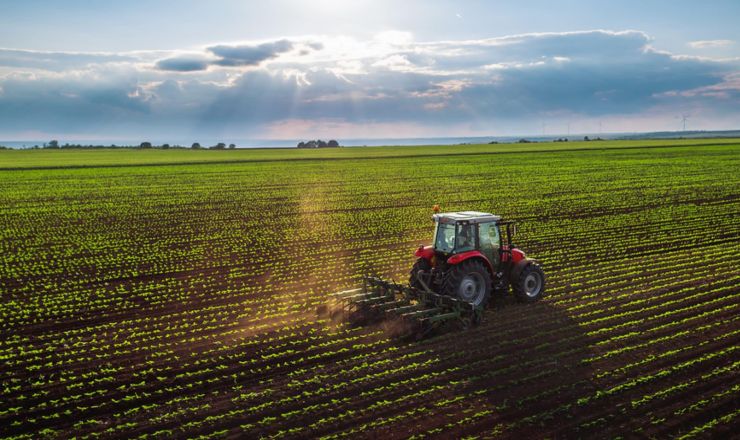
Hoe om herlewingslandbou te laat leef
'n Twee-dag sessie deur WIETA and Stronger Together South Africa op etiese leierskap vir kelders, plase en handelsmerke by Lourensford en Du Kloof Lodge het insigte oor herlewingsboerdery opgelewer.
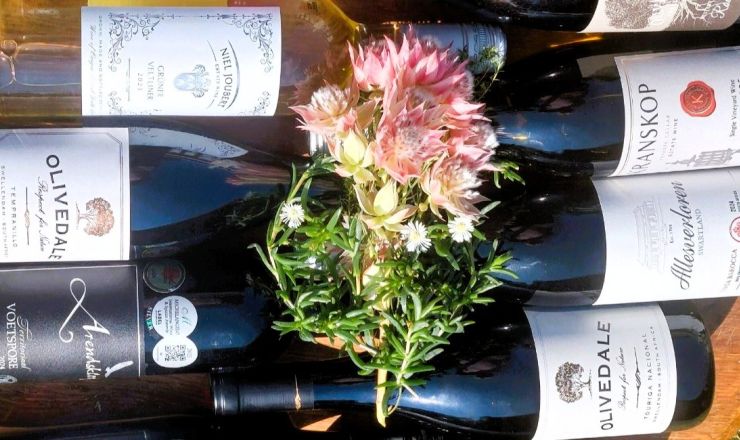
Results of the Niche Varieties Challenge 2026
The Niche Varieties Challenge took place again in 2026 to give innovative niche wines a more visible platform and to highlight the diversity developing beyond South Africa's mainstream cultivars.
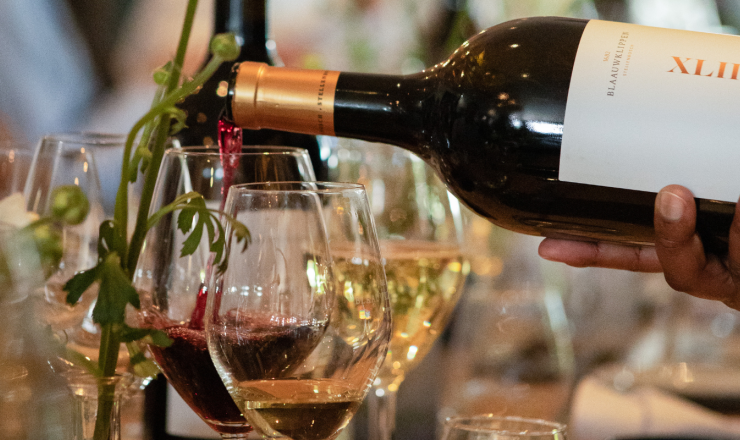
Are wine clubs in South Africa still relevant?
A bottle of wine is rarely just about what is in the glass. Sometimes it is about the people around the table, which may explain why wine clubs have managed to stick around. The Blaauwklippen Blending Competition offers a glimpse into why this old-school tradition still has a place in a changing…