
A postcard from Portugal
Two countries at opposite ends of the world are finding common ground through wine tourism. In Portugal’s Lisboa wine region, heritage, creativity and personal connections come together to turn a simple tasting into a truly memorable experience.

· 7 min read
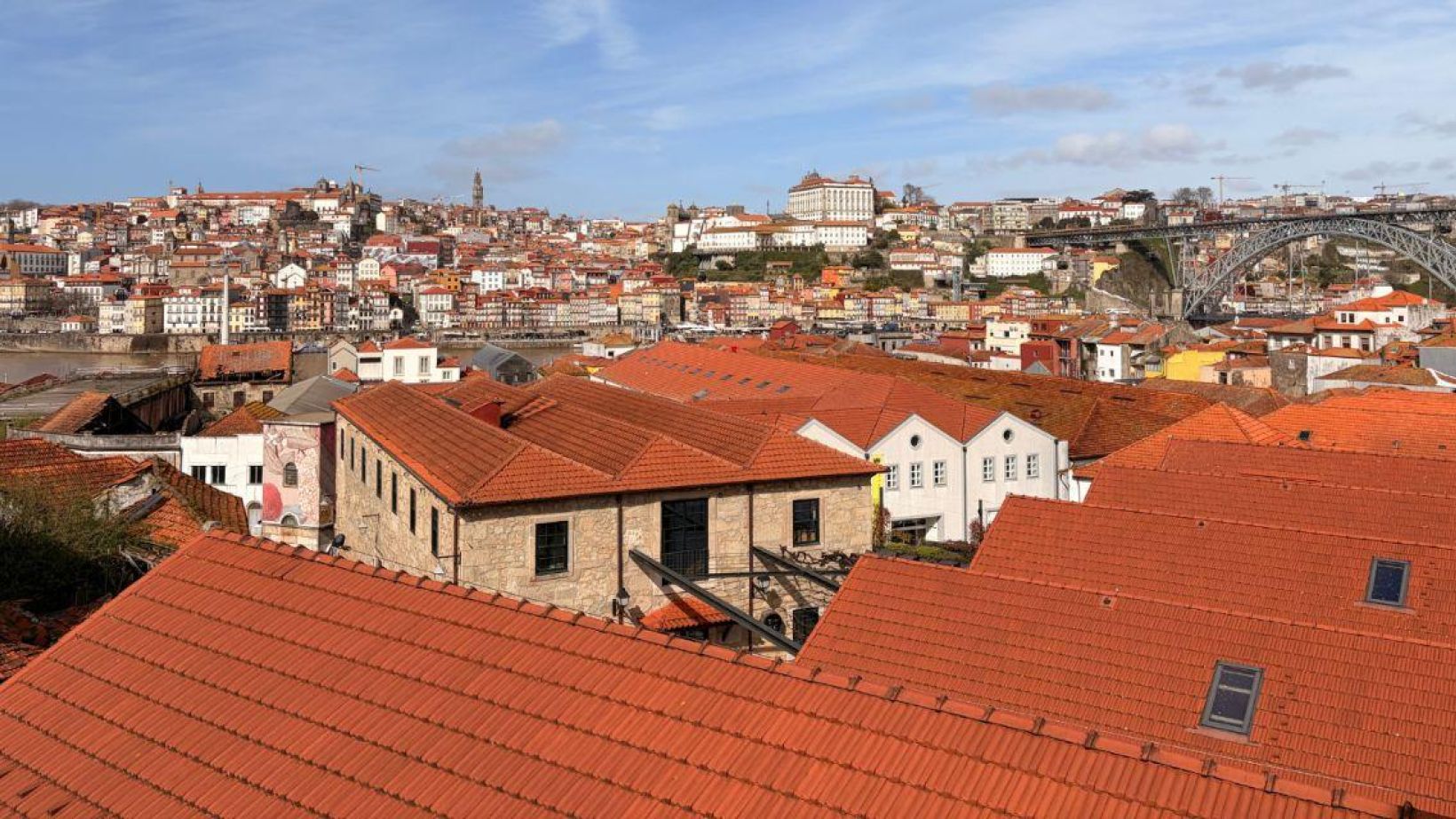
Located in the southwest corner of Europe, Portugal covers just over 92 000 km2. It’s known for its natural beauty and varied landscapes, and there’s plenty to do and see, no matter your interests.
The south is known for the Algarve and its sunny beaches. Head north and suddenly you’re surrounded by stunning mountains. In between lie beautiful floodplains, fields and cork forests. The east of the country is dry with a continental climate, while the western and northwestern regions are mild and green, thanks to the influence of the Atlantic Ocean. Recently built roads are a sign of Portugal’s increasing prosperity that has been in evidence since the late 1980s.
In cities such as the capital, Lisbon, beautiful old monuments stand side by side with modern architectural creations. There’s an abundance of character, especially in Lisbon and Porto, where old traditions exist alongside new technologies, ideas and modernism.
Tradition plays an important role in people’s lives and families still gather around tables at mealtimes. Villages come alive with festivals and you’ll often hear the melancholic strains of traditional fado music echoing from local restaurants and cafés.
Wine is an important part of Portuguese culture and traditions. According to a 2024 report, Portugal has the highest consumption per capita in the world, with residents annually consuming 61.1 litres wine per person.
Thanks to World Bank financial assistance, subsequently translated into massive European Union subsidies in the 1990s, Portugal has modernised its vineyards and wineries. This wine revolution has changed the country’s wine industry and placed its wine on the global map.
Portugual also introduced its new appellation system, which brought the country’s wine regions together and led to the continued improvement of the quality of the wine. Today, an increasing number of private estates are bottling their own wine and encourage creativity when it comes to what goes into the glass. A new wave of winemakers, many trained at places such as the Instituto Superior de Agronomia-ISA in Lisbon and Universidade de Vila Real in Vila Real, still support old-school methods but aren’t afraid of trying something new.
Incredibly, Portugal has more than 250 native grape varieties. So understandably names such as Touriga Nacional, Fernão Pires and Arinto don’t mean much to most visitors. And to make matters even more complicated, many Portuguese wines aren’t made from just one grape – they’re field blends, where different varieties grow together, and are picked together and fermented side by side.
To simplify things, Portuguese wine brands usually focus on their regions, not the grape names. So instead of asking a customer if they want a Touriga Nacional, a bar owner will ask, “How about something from the Douro Valley or Alentejo?” It’s simpler and it makes it easier to try something new. People end up talking about the place, not the varieties and techniques that go into making the wine. And that’s really the heart of Portuguese wine: you taste the landscape, culture and history in every glass.
Lessons from Lisboa
The Lisboa wine region lies west and north of Lisbon, exactly where the Atlantic Ocean breezes roll in and keep the wines fresh. Called Estremadura until the 2008 vintage, Lisboa is now one of Portugal’s most diverse regions. You’ll find nine DOCs here, plus the bigger Vinho Regional Lisboa classification. The changing nature of the landscape, from sandy coastal areas to sheltered inland valleys, results in a wide range of styles, including mineral whites, elegant reds and even brandy in Lourinhã.
While there’s a growing number of private wine estates in Lisboa, many small-scale producers sell their grapes to big co-operatives who make premium-quality wine under the designation Vinho Regional Lisboa, along with a huge quantity of easy-drinking, inexpensive wines simply labelled vinho (table wine).
Most DOCs in the Lisboa region stick to local grapes, which gives the region an approachable and real feel. The main white grapes varieties are Arinto, Fernão Pires, Malvasia (Colares), Rabo de Ovelha and Vital. Among the reds, are Aragonez, Castelão, Ramisco (Colares), Tinta Miúda and Touriga Nacional.
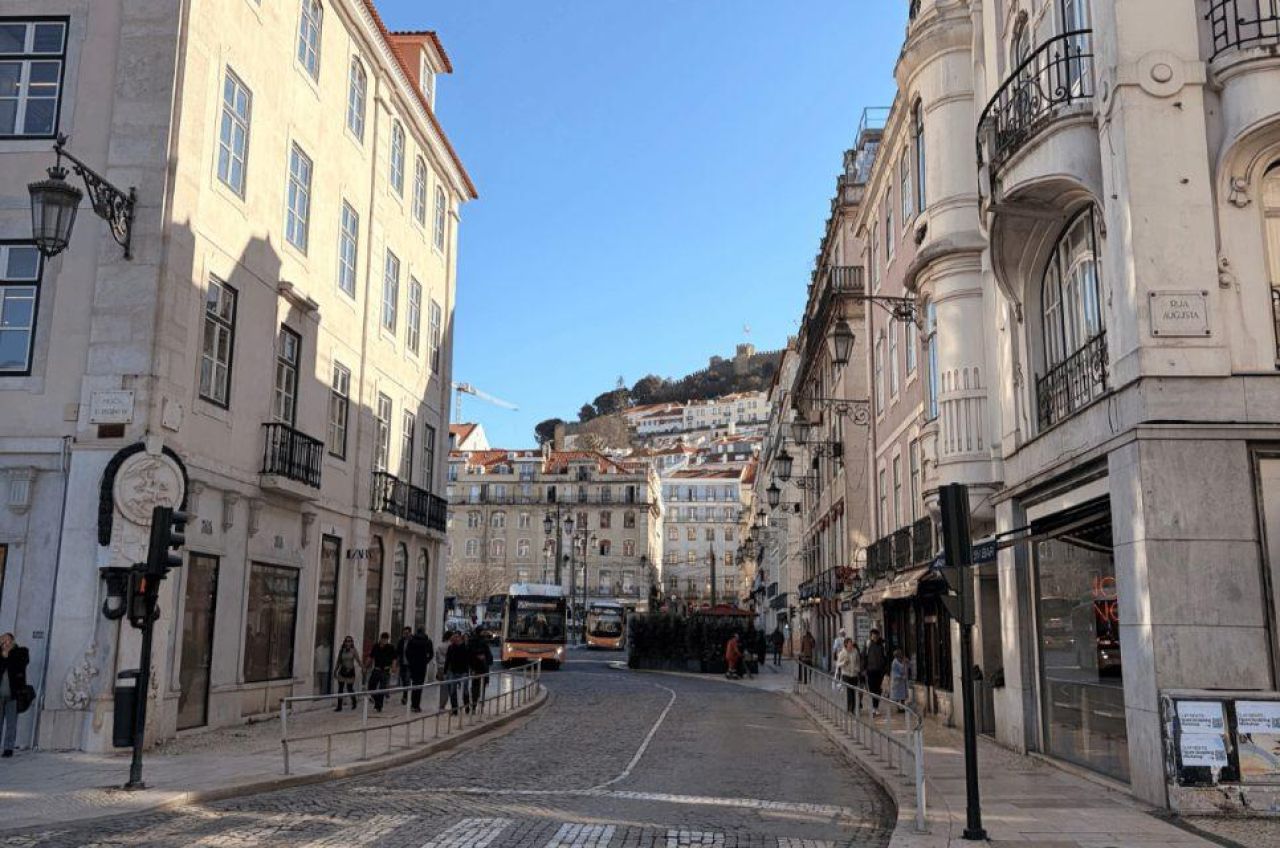
Being near Lisbon is a big bonus. There are wine bars everywhere, and locals and tourists alike love hopping from one to the next to sample various wines. On restaurant menus, wine isn’t just an afterthought. Instead, local dishes are paired with wines from the region. And if you’re staying in Lisbon, you can reach the vineyards in no time.
From this perspective, there’s a clear similarity between Lisbon and Cape Town. Wine bars are just as popular in the Mother City and in both cities you can easily bounce between buzzing city streets and peaceful vineyards.
In Lisboa, you feel that mix even more keenly. One minute, you’re wandering the cobbled lanes of Óbidos, the next you’re grabbing fresh seafood on the coast. By evening, you’re sipping wine at a sleek cellar or family vineyard to wind down the day. What makes the region special isn’t just the wine, it’s how everything comes together. The landscape, the food, the history, the city energy all blend into one. And it just works.
Experiences as a tourism strength
Personalised wine experiences are highly sought after. People want a more personal touch when enjoying wine. Private tastings or events with friends and family work well. It’s even better if the winemaker stops by to greet the group. It makes the experience even more special when the winemaker shares the story behind the wine and its label. “That’s something we focus on,” says Duarte Leal da Costa, director of wine tourism at Ervideira Agricultural Society.
Art, food, wine and family are at the heart of Portugal’s wine tourism. Visitors to wine estates in the Lisboa region usually enjoy more than just tastings. Walk into José Maria da Fonseca and the place almost hums with history. At Bacalhôa, you get more than a glass – there’s art on the walls and you’re surrounded by striking architecture. Then there’s Quinta de Catralvos, where you can roll up your sleeves, blend your own wine and bottle it yourself. At Quinta de Sant’Ana, it’s the closeness of the family that draws you in. You meet the people behind the bottles and that personal touch really matters. Visitors leave wanting to take home more than just a bottle. They also want to share the stories.
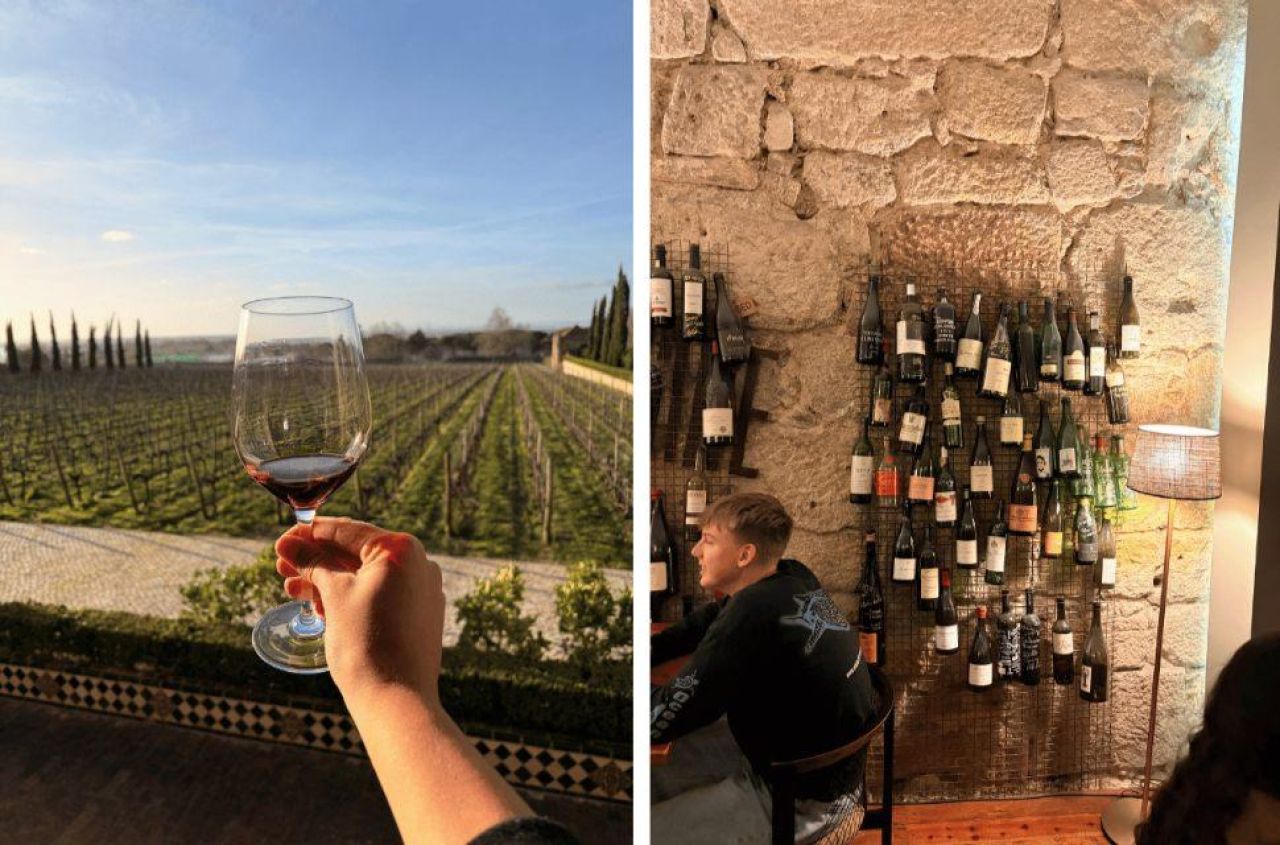
Cooking classes have also caught on. Quinta da Pacheca in Lamego offers classes in regional cuisine using ingredients such as octopus, sausages and locally produced vegetables. Traditional dishes and desserts are accompanied by regional wines. Wine-related activities are also laid on. At Quinta da Aveleda visitors can take part in an outdoor activity where they have to find clues in the gardens and vineyards to solve a mystery – the disappearance of a historical bottle of wine. This activity is time limited and entails teamwork to solve the mystery. This is not a treasure hunt but a story that incorporates wine and the beautiful grounds to provide a fun experience.
Portugal and South Africa recognise each other’s strengths. Both countries understand that wine tourism is most effective when it creates an emotional connection. “The experiences you offer in South Africa are what excites people about wine,” Board of the Algarve Wine Commission president Sara Silva says.
Visitors come for a tasting, but they go home with a memory tied to a story, a face and a place. That connection builds trust and loyalty. It drives return visits, sparks word-of-mouth recommendations and translates into wine sales months after the original visit.
To explore more articles in our May issue, Woeker met jou wingerd, purchase our digital or print magazine here.

More from
People, community and tourism
Hoe om herlewingslandbou te laat leef
'n Twee-dag sessie deur WIETA and Stronger Together South Africa op etiese leierskap vir kelders, plase en handelsmerke by Lourensford en Du Kloof Lodge het insigte oor herlewingsboerdery opgelewer.
Results of the Niche Varieties Challenge 2026
The Niche Varieties Challenge took place again in 2026 to give innovative niche wines a more visible platform and to highlight the diversity developing beyond South Africa's mainstream cultivars.
Are wine clubs in South Africa still relevant?
A bottle of wine is rarely just about what is in the glass. Sometimes it is about the people around the table, which may explain why wine clubs have managed to stick around. The Blaauwklippen Blending Competition offers a glimpse into why this old-school tradition still has a place in a changing…