
BUSA empathise and stand in solidarity with Ukraine
BUSA empathises and stand in solidarity with the people of Ukraine and the hardship imposed on them by this unnecessary war.
· 3 min read

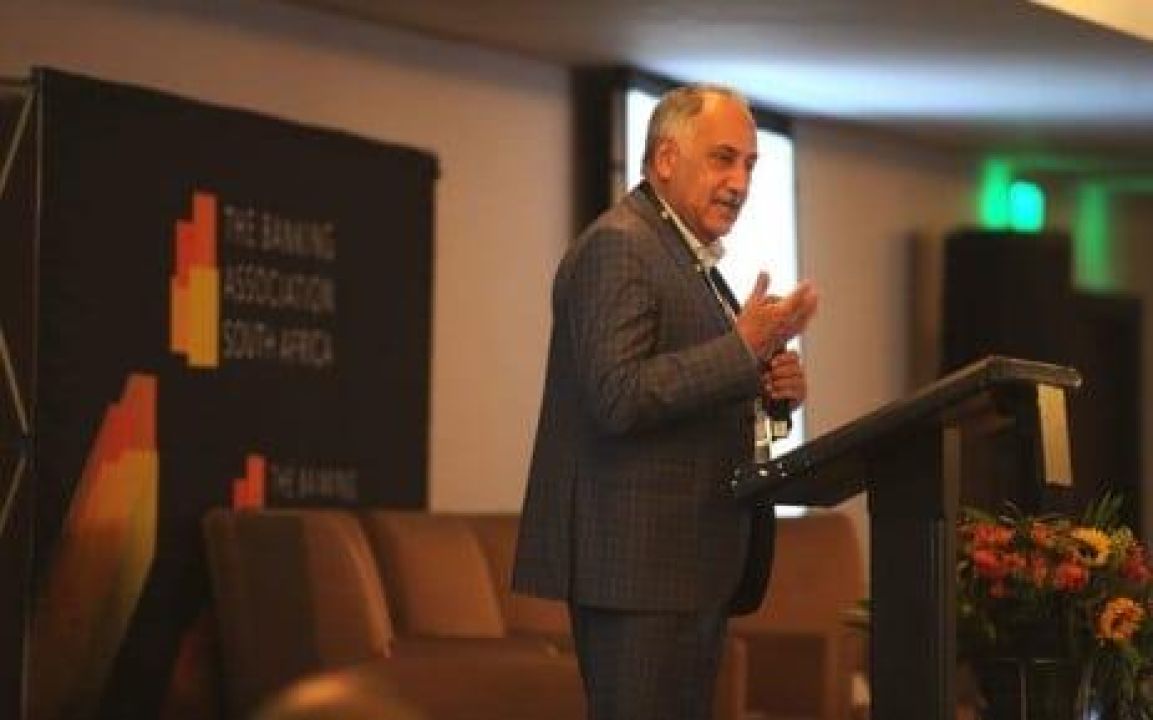
Business Unity SA (BUSA) issues statement on the Russian invasion of Ukraine (Photo credit: Creamer Media)
Business Unity SA (BUSA) has issued a statement on the Russian-Ukrainian-conflict, stating that they’re gravely concerned about the situation and the impact of the Russian invasion.
“First and foremost, we empathise and stand in solidarity with the people of Ukraine and the hardship imposed on them by this unnecessary war,” says Business Unity SA CEO Cas Coovadia.
“Significant numbers of people find themselves leaving their belongings behind and seeking refuge in neighbouring countries, with their lives severely disrupted overnight.
We are also concerned about people from other countries living in Ukraine and trying to seek asylum in Poland, Hungary, and other countries, particularly news that people of colour being refused entry to such countries.”
BUSA calls on all countries providing asylum to do so in a manner that does not discriminate on the basis of race.
BUSA comments on economic impact and trade
For now, the direct economic impact on South Africa is minimal. Our trade with Russia is negligible, making up less than 0.4% of total merchandise exports in 2021. South Africa imported goods worth R9.2 billion from Russia in 2021, less than 1% (0.7%) of total imports.
Our trade linkages with Ukraine are also negligible. This is according to research by the Bureau for Economic Research, which also identifies risk for South Africa if the conflict continues, particularly with gas and fuel prices, and increased cost on freight movement and logistics costs, all of which will have knock on inflationary and interest rate impacts.
There is also severe risk on agricultural exports. In 2020, we exported over US$245 000 000 (~R3,7 billion) worth of agricultural products, with citrus and apples & pears making up nearly 90% of those exports.
In total, South Africa exports more than 7% of its total citrus crop to Russia, and more than 12% of its apples and pears exports.
However, we are deeply concerned that without a speedy resolution, the impact of this invasion may be considerable, with uncontrollable outcomes.
At a minimum, it is causing global uncertainty just as the world is starting to recover from the impact of the Covid-19 pandemic.
Indeed, the potential impact of the invasion will be felt more severely by emerging markets, like South Africa, and could further erode confidence in such markets and make even more difficult our efforts to rebuild our economy after Covid.
The world cannot afford conflagrations and invasions of this sort. It is critical that as countries we engage on trade and other issues globally in an environment of peace and positivity, which are pre-requisites for building an inclusive and stable global economy.
For now, the direct impact on SA is minimal, says BUSA. Indirect risks include gas and fuel prices as well as increased freight and logistics costs which will have knock on effects. https://t.co/6PBeg7mfoh

More from
People, community and tourism
Hoe om herlewingslandbou te laat leef
'n Twee-dag sessie deur WIETA and Stronger Together South Africa op etiese leierskap vir kelders, plase en handelsmerke by Lourensford en Du Kloof Lodge het insigte oor herlewingsboerdery opgelewer.
Results of the Niche Varieties Challenge 2026
The Niche Varieties Challenge took place again in 2026 to give innovative niche wines a more visible platform and to highlight the diversity developing beyond South Africa's mainstream cultivars.
Are wine clubs in South Africa still relevant?
A bottle of wine is rarely just about what is in the glass. Sometimes it is about the people around the table, which may explain why wine clubs have managed to stick around. The Blaauwklippen Blending Competition offers a glimpse into why this old-school tradition still has a place in a changing…