
Closing date for 2022 Terroir wine competition around the corner
Producers are urged to submit their wines as entries for the SA Terroir Awards 2022 competition closes on 15 June and late entries on 24 June.
· 3 min read
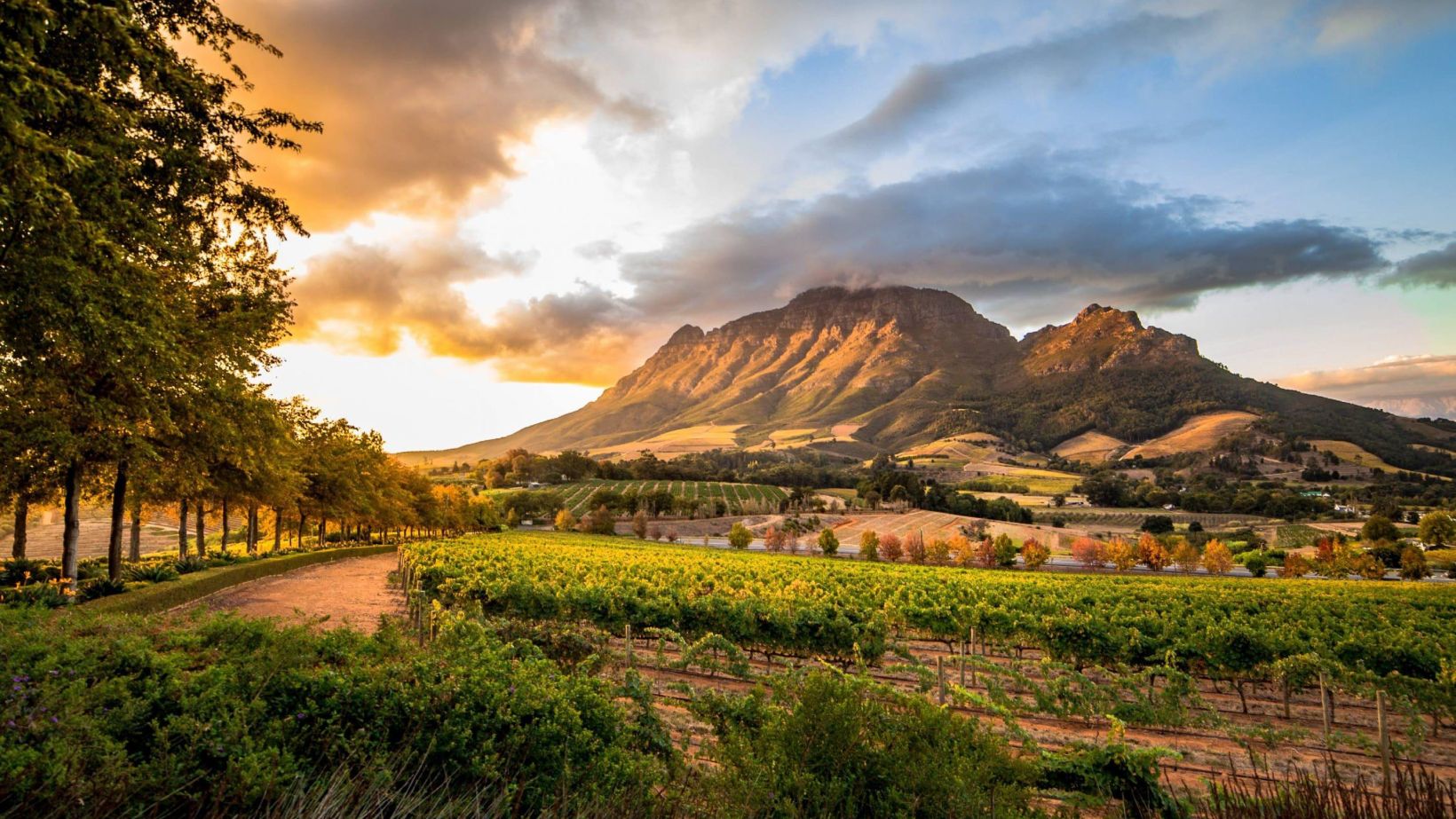
Since the introduction of the SA Terroir Wine Awards in 2006 it has been proven clearly that the Cape Winelands are not only blessed with top quality wines from the leading grape cultivars, but also from several lesser-known cultivars.
After all, South Africa is one of the world’s best wine production countries, which grows a variety of quality cultivars.
Only wines certified by the South African Wine & Spirit Board as wine of origin from a specific ward, a district not divided into more than one ward, an estate-produced wine and single-vineyard wine may participate in the competition.
In the past year, the Board’s demarcation committee identified three more wards in the Cape Winelands as unique wine terrains. They are Piket-Bo-Berg in the Swartland, Groenfontein in Calitzdorp and Kweekvallei in Prince Albert.
The country’s total wine areas now include altogether 96 demarcated wards.

Terroir Awards
Entries for the competition this year close on 15 Juneand late entries on 24 June, the latter at a higher fee. The delivery of samples for judging is on 23 - 24 June and judging takes place on 12 - 15 July, for the presentation early in August.
According to Cape Wine Master and chairperson of the Awards’ judging panel, Jeff Grier, the terroir-concept is vitally important on the international wine scene.
“It helps to reveal the unique character traits which a specific soil and climate combination yields. To ensure that these influences on the wine grape are a priority, nature’s role must be emphasised thanks to the soil and climate’s huge contribution; this being part of the terroir notion,” says Jeff.
It has increasingly become an important term in the experienced and passionate wine lover’s vocabulary.
“All the wines entered for these awards derive from specific terrains and the winning wines clearly show which areas excel with which cultivars. Over the years it has come to the fore that certain varieties perform better in specific wine terrains,” said Jeff.
This confirms that many of our cultivars in different terrains produce top quality end-products as the national winners virtually almost always originate from different areas.
The terroir-specific wines will always be an integral part of the Cape Winelands’ culture thanks to the wine of origin rules applied.
Lesser-known cultivars already started standing out as national winners which scored high judging points with the second presentation of the Awards in 2007.
These cultivars were Petit Verdot, Sémillon and Viognier – respectively from Franschhoek, Durbanville and Goudini.
Since then, various other lesser-known cultivars produced national winners. Cabernet Franc, Malbec, Grenache, Tannat, Roussanne, Petit Sirah, Sangiovese, Tempranillo, Tinta Roriz and Touriga National excelled from specific terrains almost across the Cape Winelands, namely from Hermanus, Wellington, Piekenierskloof, Robertson, Stellenbosch, Paarl, Durbanville, Darling and Calitzdorp.
Enquiries to Elsabé Ferreira by tel 021 863 1599 or [email protected]
Stay in touch via social media: Facebook, Twitter and Instagram. Alternatively, visit www.terroirwineawards.co.za for more information. Follow the hashtags #SATerroirAwards & #SATerroir
Click here to get your copy of WineLand Magazine and here to subscribe to our newsletter.
WATCH THE SA TERROIR AWARDS 2021 EVENT

More from
People, community and tourism
The Portrait of a South African Winemaker
In James Joyce's A Portrait of the Artist as a Young Man, Stephen Dedalus resolves to express himself "as freely as I can and as wholly as I can". Joyce's hero refuses to be just one thing. That same many-sided energy is increasingly being asked of the modern South African winemaker, who has to adopt different faces for different places.
Who will drink South African wine tomorrow?
Tomorrow’s wine drinker is already here, standing at the braai with a can in one hand and a phone in the other. South African wine still has time to join the occasion, although it may need to loosen its collar first.
Ice in the Chenin and other South African wine crimes
There is ice in the Chenin Blanc, Cap Classique in an ordinary wine glass and a bowl of curry waiting beside a bottle of something pink. By old wine standards, the afternoon is a small crime scene.