
Five questions with Liandra Kotzé
“Consumers haven’t stopped loving wine. They’ve changed how they choose it.” Wine marketers spend a great deal of time asking how to sell more wine. According to Vinimark Brand Portfolio Director Liandra Kotzé, the better question is whether we’re listening closely enough to the people we’re…

· 2 min read
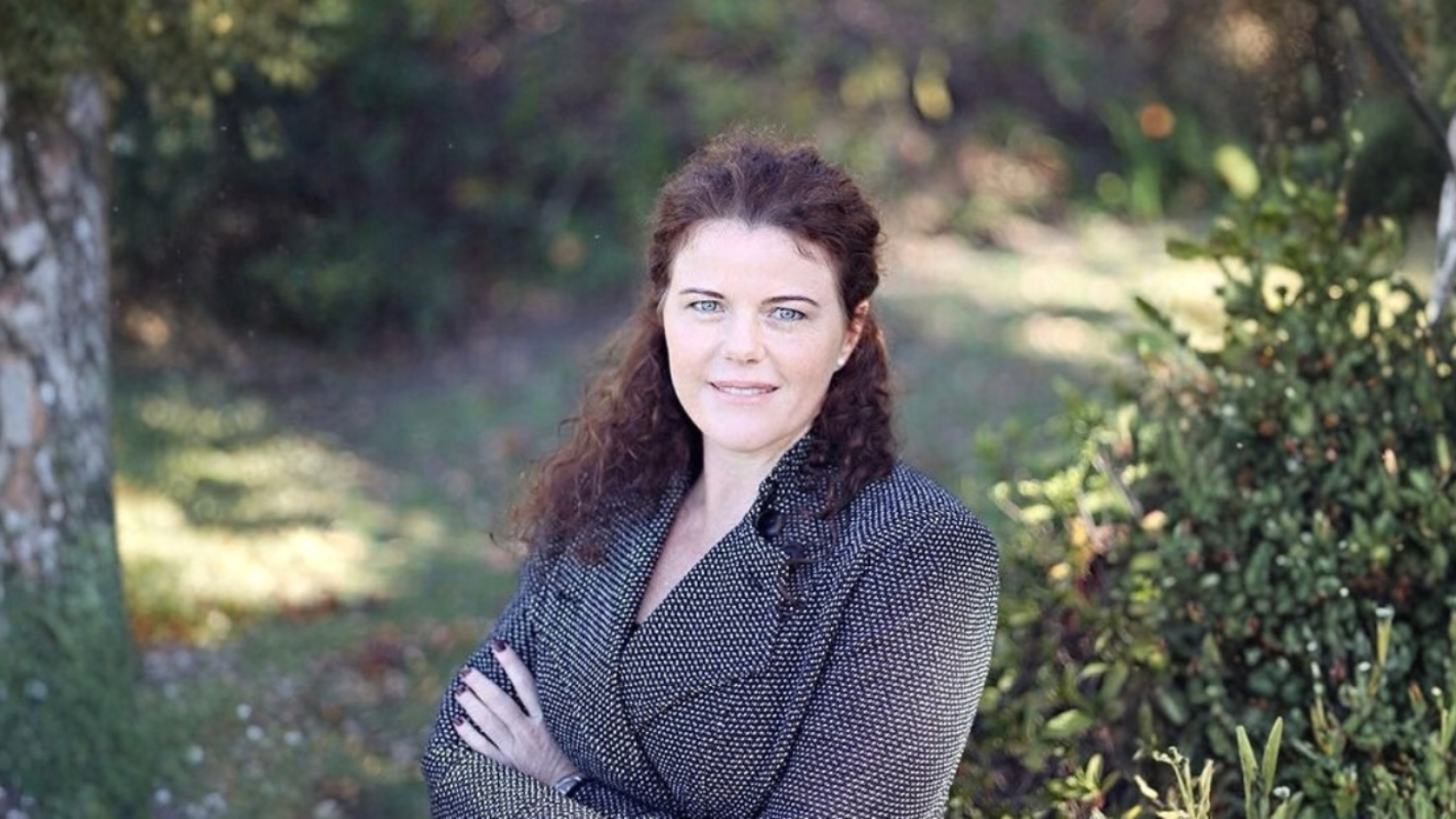
Liandra Kotzé says consumers are not rejecting wine but making different choices, so wine must be easier to understand and enjoy. Innovation should meet consumer needs, while digital stories should authentically show the people, place and craftsmanship behind wine; producers should first understand consumers. She is optimistic about South African wine’s quality and diversity, and the potential of welcoming experiences and collaboration.
Summary written by AI from this article. The full article is under “Deep dive”.
Listen to this article· 3 min
Passage 1 of 3
Read aloud by an AI voice. The words are the article’s own, nothing is summarised or translated.
Following our October Wine Influencer feature, we asked Liandra five quick questions about changing consumer behaviour, storytelling and where she believes South African wine should focus next.
What is the biggest misconception the wine industry has about today’s consumer?
Liandra: We often assume consumers are rejecting wine. I don’t think that’s true.
They’re simply making different choices. They have more options than ever before and they expect brands to fit naturally into their lives. Wine needs to become easier to understand, easier to enjoy and easier to include in different occasions without losing what makes it special.
Everyone talks about innovation. What does meaningful innovation actually look like?
Liandra: Innovation should always solve a real consumer need.
Whether it’s a smaller bottle, a can, a different pack format or a new experience, it has to make sense for the person buying it. If we’re introducing something simply because it’s new, it probably won’t last. Consumer insight should always come before innovation.
How do brands stay authentic while communicating in a digital-first world?
Liandra: Authenticity hasn’t become less important. If anything, it’s become more important.
What’s changed is how people consume information. They don’t necessarily want long brand stories anymore. They want genuine moments that quickly show the people, place and craftsmanship behind a wine. Technology can help us reach the right audience, but it can never replace authentic storytelling.
If every South African wine producer could change one thing tomorrow, what would you encourage them to do?
Liandra: Spend more time understanding the consumer than talking to them.
The more we understand why people buy wine, when they buy it and what role it plays in their lives, the better our decisions become. Good marketing starts with curiosity.
What gives you the most optimism about South African wine?
Liandra: We already have exceptional quality and incredible diversity.
What excites me is the opportunity to tell that story more consistently, attract new consumers and create experiences that make people feel welcome in wine. If producers, distributors, retailers and media continue working together, I believe the future of South African wine is incredibly exciting.

More from
People, community and tourism
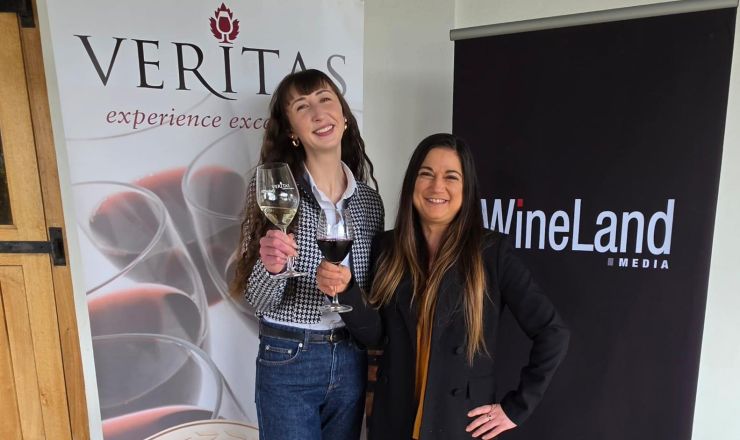
Fresh voices, fresh perspectives
What does the next generation of South African wine drinkers want? It is a question the industry keeps asking. This year’s New SA Wine Writer competition suggests that some of the answers might come from a new generation of storytellers.
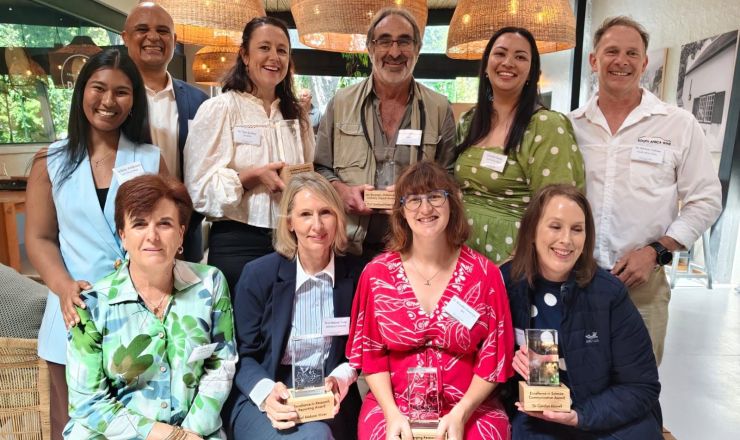
RDI Day honours the people behind South African wine research
South Africa Wine's first RDI Day, held on 7 October 2026 at Diamant Estate in Paarl, put the people who have spent more than 27 years building the industry's research, development and innovation capacity at the centre of the programme.
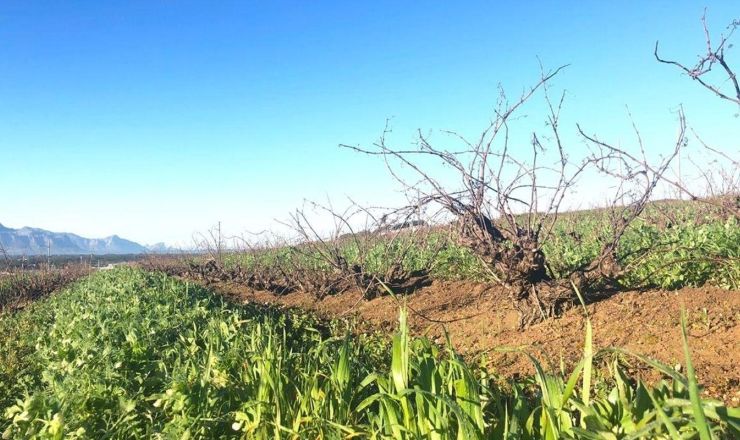
The better half
Jeanine Craven is the other half of the Craven Wines partnership – the better half, if her husband, Mick, is to be believed.