
Let’s talk wine
If there’s one thing the wine industry loves, it’s talking about itself. (And, of course, wine.) But every now and then, we gather in a room and actually say the things that need to be said. That was the vibe at Wine Talk in Johannesburg: open, honest, and just a little bit uncomfortable in the…

· 2 min read
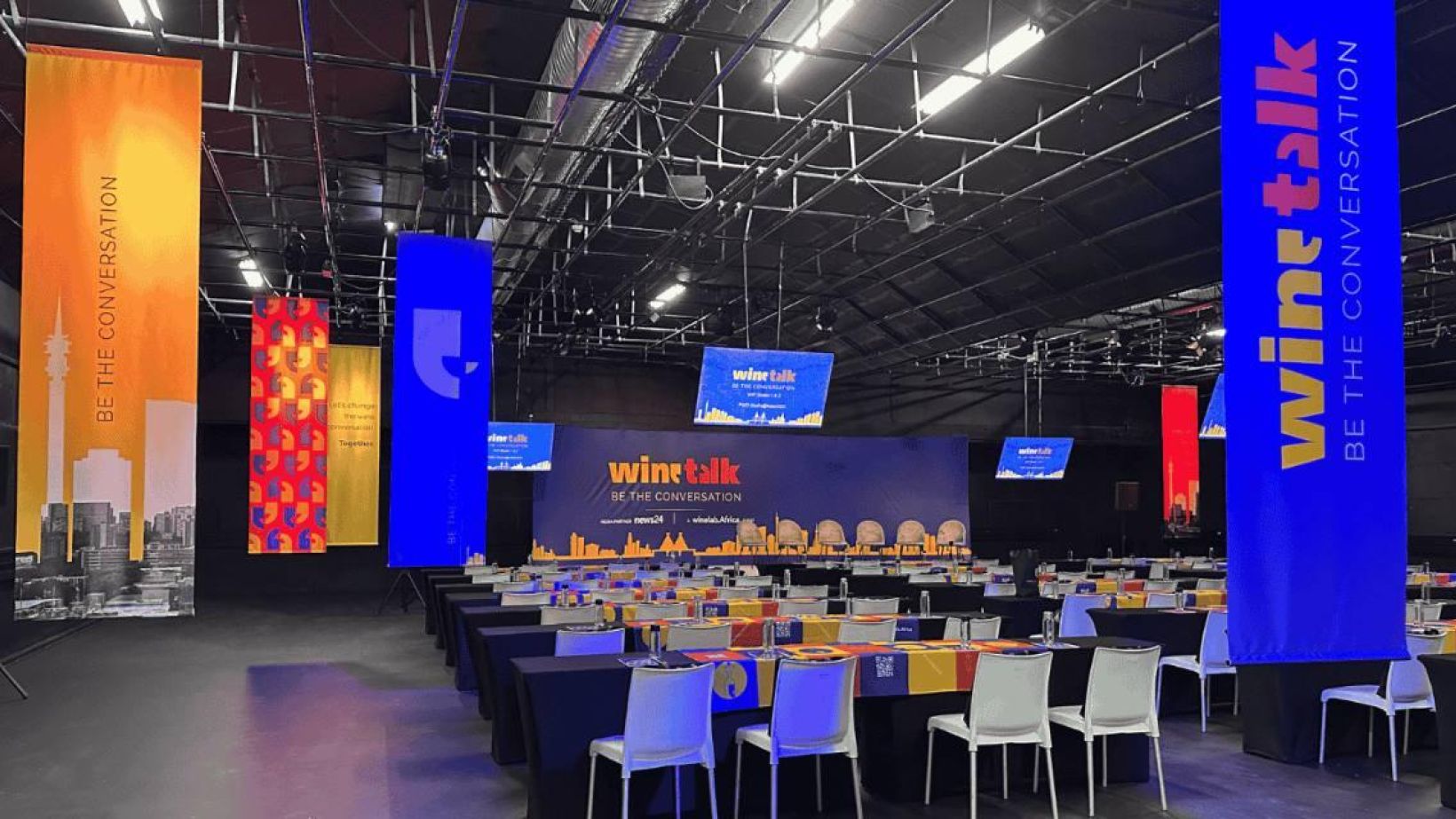
Here are the big lessons we walked away with, served without jargon, oak influence, or unnecessary tannin.
- Break the bubble
Let’s be real: wine still carries an elitist image. If you’re not already “in the know,” it can feel like you’re gatecrashing a secret society. The message? Tear down the gates. Make wine more approachable, more inclusive, and yes, more fun.
And here’s a tough but important one: prioritise representation. Especially women of colour and younger consumers. Because if your tasting room looks like a members-only club from the 1980s, you’re doing it wrong.
- Sell the story, not the soil
Consumers don’t lie awake at night wondering about your canopy management. They care about stories. They care about memory, occasion, and experience.
Wine is not just about terroir; it’s about the table, food, family, music, and culture. If you don’t include those in the conversation, you’re leaving most of the magic out.
- Speak human
Here’s a radical idea: stop speaking Martian to consumers and transform education and engagement.
Simplify. Translate. Make education less about pH levels and more about “this is the wine you’ll want at your next braai.” Train your front-of-house teams to speak human. Speak to the heart, not the head.

- Small but mighty
Small doesn’t mean weak. It means nimble. It means authentic. It means you can move faster and tell stories that bigger brands can’t. So compete differently.
Compete on value, not price. Use digital channels. Collaborate. Own your niche. And stop worrying about whether you belong next to the “big guys.” Different audiences, different purposes. There’s space for everyone, from boxed wine to Bordeaux blends.
- One voice, many echoes
Here’s the kicker: we don’t always tell our story how it deserves to be told.
We’re fragmented, sometimes defensive, and often say, “We’re the best,” instead of letting the world feel it.
The call was clear: let’s find a unified voice. One that’s confident, consistent, and heart-led. When we collaborate, share purpose, and stop pulling in opposite directions, South African wine doesn’t only compete; it shines.
So yes, Wine Talk gave us homework, but it also gave us hope. The industry is asking the right questions. The answers will require courage, collaboration, and maybe a bit less ego.
And that’s a story worth telling, one of breaking barriers, telling all the stories, and speaking human.

More from
People, community and tourism
Hoe om herlewingslandbou te laat leef
'n Twee-dag sessie deur WIETA and Stronger Together South Africa op etiese leierskap vir kelders, plase en handelsmerke by Lourensford en Du Kloof Lodge het insigte oor herlewingsboerdery opgelewer.
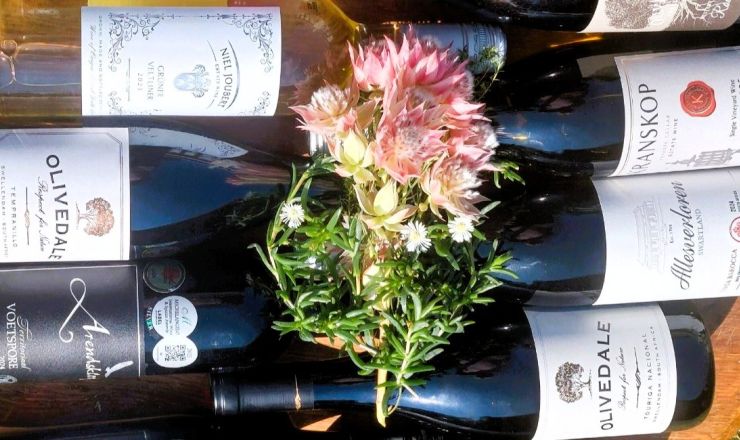
Results of the Niche Varieties Challenge 2026
The Niche Varieties Challenge took place again in 2026 to give innovative niche wines a more visible platform and to highlight the diversity developing beyond South Africa's mainstream cultivars.
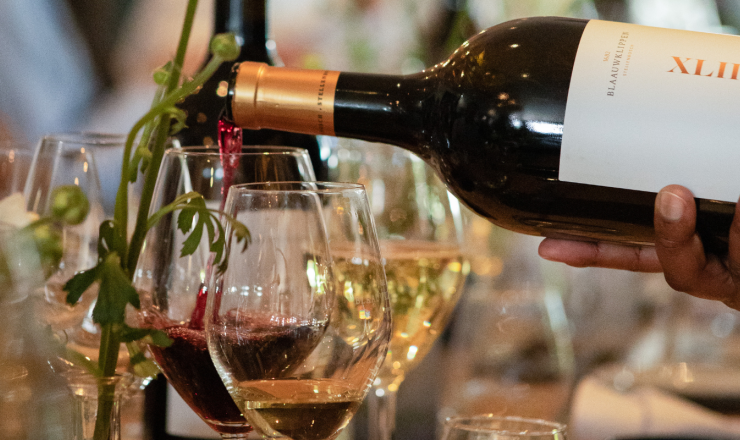
Are wine clubs in South Africa still relevant?
A bottle of wine is rarely just about what is in the glass. Sometimes it is about the people around the table, which may explain why wine clubs have managed to stick around. The Blaauwklippen Blending Competition offers a glimpse into why this old-school tradition still has a place in a changing…