
Load shedding: A surge of impact on SA’s agri sector
Regular load shedding is wreaking havoc in South Africa’s agricultural sector, with farmers bracing themselves for the impact of ongoing interrupted power on production schedules, revenue, sensitive electronic equipment, and crime.
· 3 min read
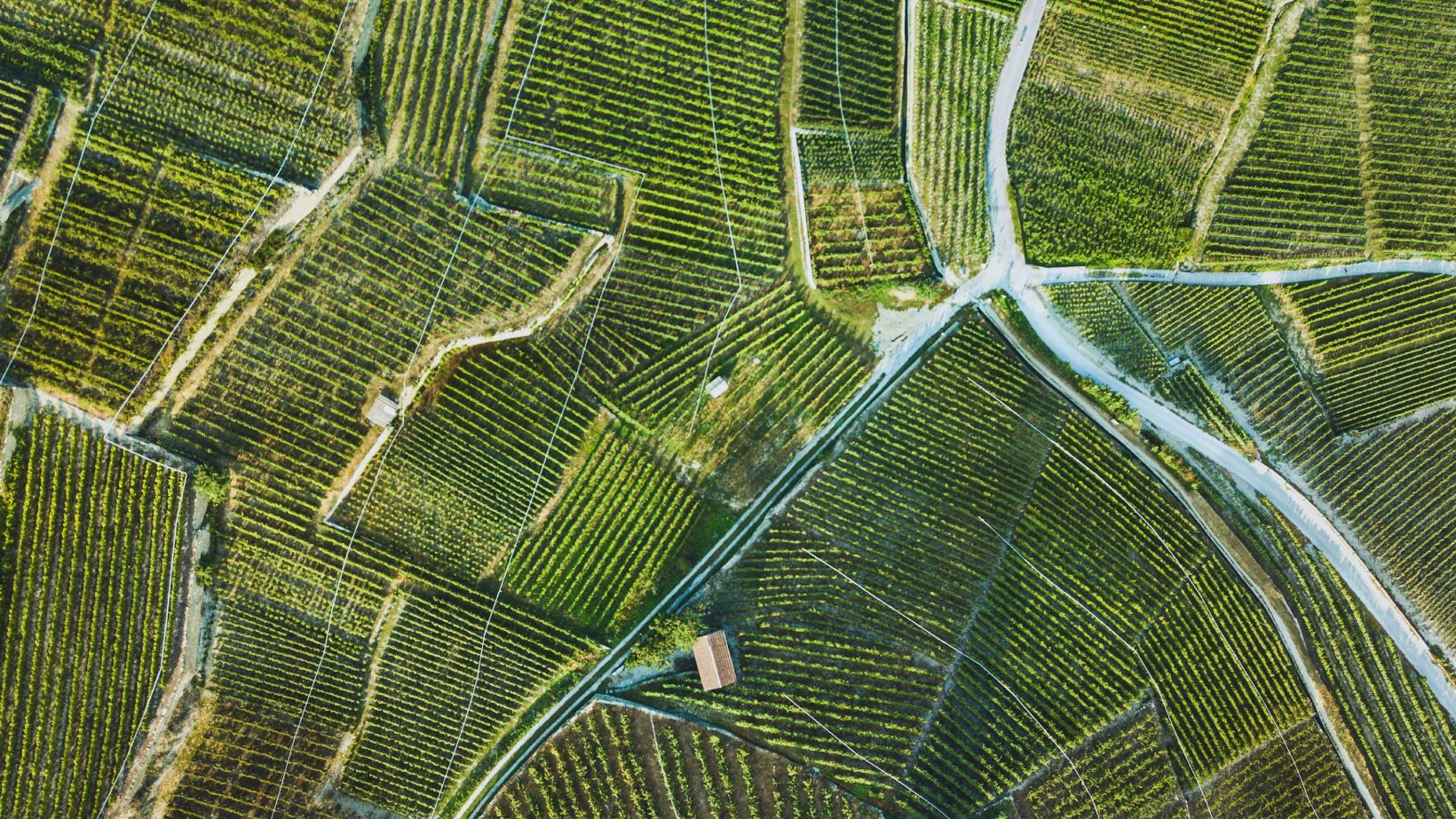
This means many Santam AGRI policyholders are raising questions regarding what their cover includes. Hanlie Kroese, manager at Segment Solutions AGRI, says farmers need to fully understand their indemnity from a policy perspective.
“We strongly advise speaking to your broker or insurer to understand what’s covered when it comes to power surges and other load-shedding related damage. We know this is a tense situation and we are committed to supporting our farmers in whatever ways we can.”
Load shedding can affect irrigation activities especially for farmers who cannot utilise their electric pumps during their access window to water and/or indirectly by the load shedding of key irrigation scheme pump stations. In the latter case, a farmer may have access to electricity, but the irrigation scheme pump stations may be affected by load shedding (or vice versa).
Power surges are also proving a particular problem. These occur when the electricity returns after an extended outage, sending an increased flow of current to a wall socket or and electrical box. The same principle applies with standby power with the likes of a generator. Power surges have the potential to damage any equipment relying on electricity.
In terms of power surges, Kroese adds, “Santam has extended the wording on the fire, buildings-combined & office contents sections to include power surge cover as an insured peril on all Agri policies with a limit of R50 000, with an option to increase (advisable).”
“The electronic section of the policy also includes cover due to power surge, but please note that any item insured under the machinery breakdown section needs to be insured as an item under the fire section of the policy for load-shedding damage relating to a power surge.”
Most of the recent insurance claims lodged by farmers for losses resulting directly from load shedding have been for business interruption following power surges. Business interruption cover entails insurance for gross profits, gross revenue and the additional increase in the cost of working. In recent years, this type of cover has specifically been extended to include loss or damage due to power surges.
Santam is also urging farmers and producers to invest in back-up fixed generators. All such installations must be done by qualified service-provider and comply with municipal bylaws.
Watch: Agriculture sector hit by load shedding
ALSO READ: Decreasing the cooling cost of cellars
The local supply of electricity stumbles from one failure to another. Load shedding has become a reality in South Africa, but unfortunately not even the supplier knows when it will be implemented. The energy bill of cellars has multiplied over recent years and everything must be done to limit its effect.
Cooling fulfils a key role during winemaking. It can be utilised during the settling process for juice clarification, cold fermentation, cold stabilisation or during the storage of wine at low temperature. If cooling during these processes can be decreased it will have a huge influence on the electricity bill of cellars. Although a complete substitute for cooling does not necessarily exist, a holistic approach should exist to at least decrease it.
It is difficult to replace cooling during cold fermentation, but the later storage of wine at lower temperatures can probably be improved by preventing a temperature rise after the completion of alcoholic fermentation. This can be obtained by using specific building material and isolation.

More from
People, community and tourism
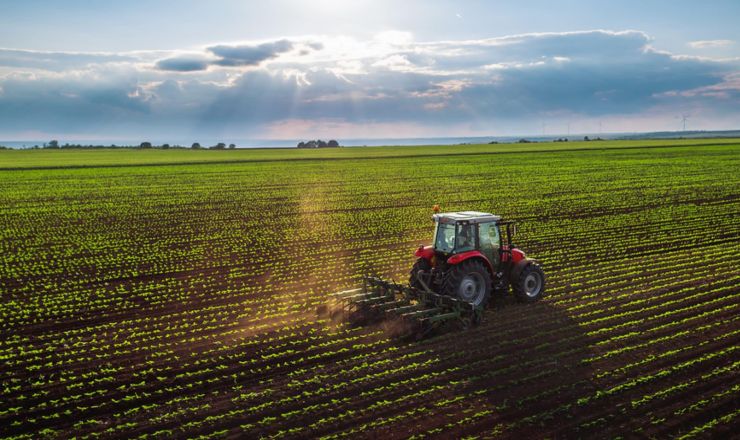
Hoe om herlewingslandbou te laat leef
'n Twee-dag sessie deur WIETA and Stronger Together South Africa op etiese leierskap vir kelders, plase en handelsmerke by Lourensford en Du Kloof Lodge het insigte oor herlewingsboerdery opgelewer.
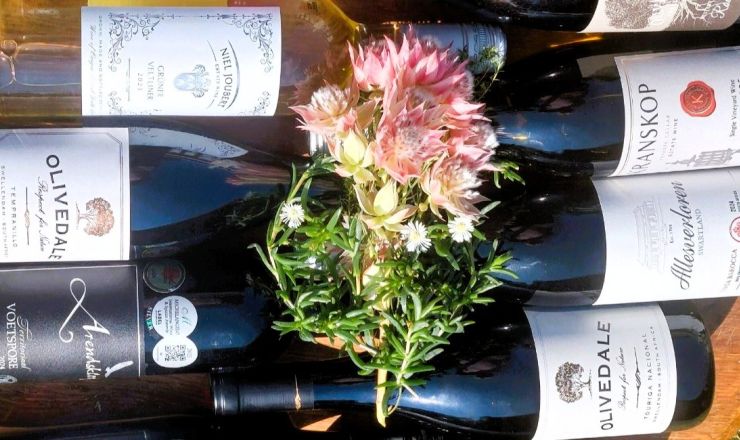
Results of the Niche Varieties Challenge 2026
The Niche Varieties Challenge took place again in 2026 to give innovative niche wines a more visible platform and to highlight the diversity developing beyond South Africa's mainstream cultivars.
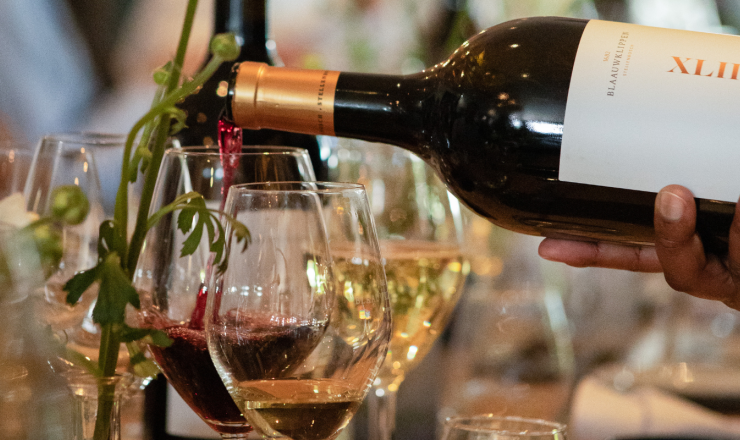
Are wine clubs in South Africa still relevant?
A bottle of wine is rarely just about what is in the glass. Sometimes it is about the people around the table, which may explain why wine clubs have managed to stick around. The Blaauwklippen Blending Competition offers a glimpse into why this old-school tradition still has a place in a changing…