
Seven lessons from 24 years at Groot Constantia
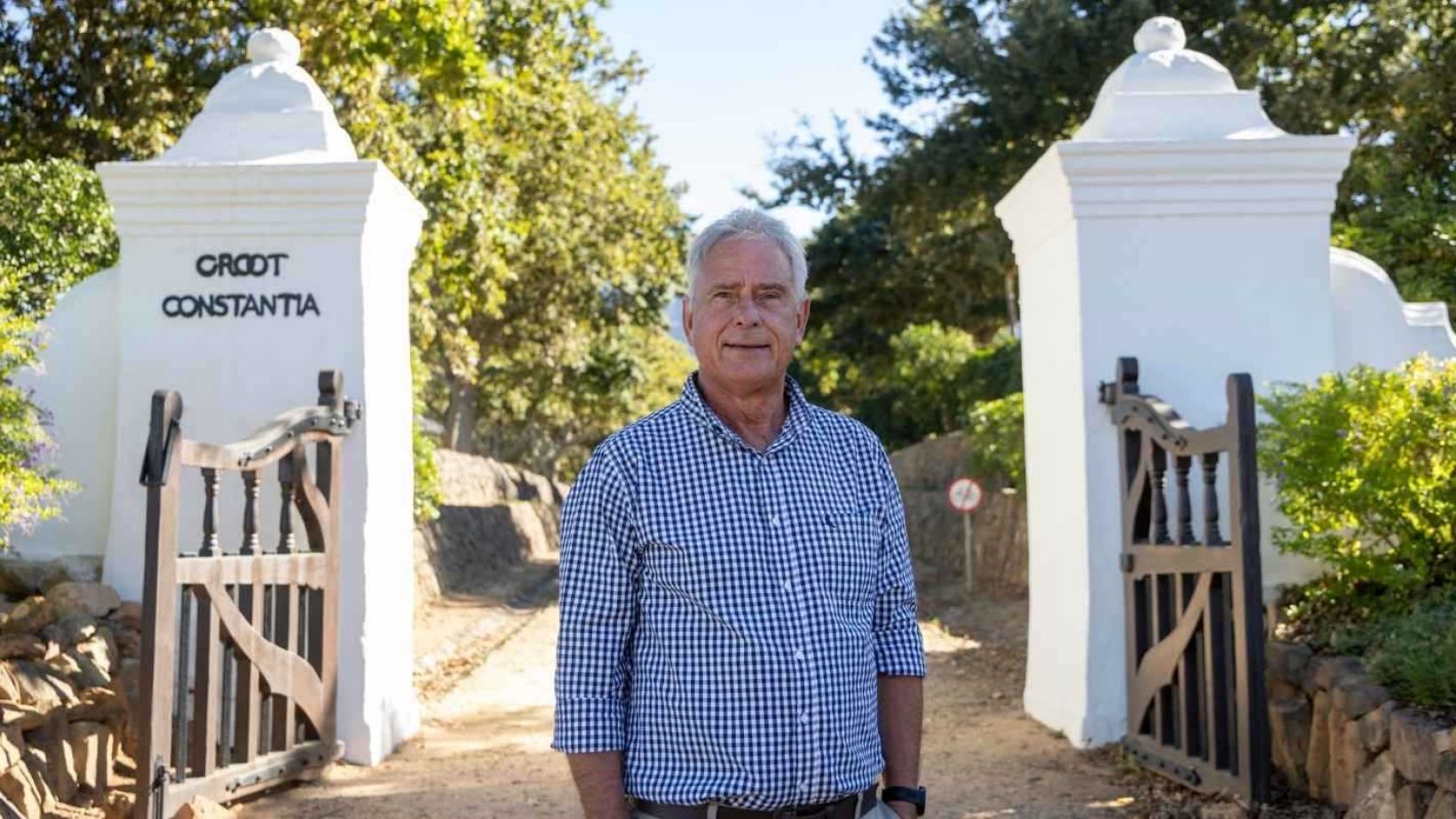
Jean Naudé has spent more than two decades leading South Africa’s oldest wine estate. Along the way, he has learned that great wine brands are not built overnight. From leadership and heritage to wine tourism and resilience, these are the lessons he believes every wine professional should remember.

· 4 min read
Lesson 1 - Leadership starts with a long-term plan
What is the most important leadership lesson you have learnt during your time at Groot Constantia?
“Any wine farm is a capital-intensive, long-term business. Groot Constantia is no exception. You therefore need a long-term plan to direct every action you take, even in the short term. Once the plan is formed, it is important never to divert from it.”
Jean believes execution becomes much easier when people help create the vision.
“Involving staff in developing the plan simplifies execution because you already have their buy-in. Surround yourself with capable people. It makes daily execution much easier.”
He also believes every leader has a responsibility to respect those who came before them.
“Have respect for what predecessors have established over three centuries and build on those foundations. By making drastic changes, you are nullifying the glamour of what was established over centuries.”
Lesson 2 - Great brands are built on strong foundations
What has 24 years in the wine industry taught you about building and protecting a successful wine brand?
“Choose your foundational pillars correctly. Once you have established them and started building on them, they become very difficult to change.”
For Groot Constantia, those pillars have remained remarkably consistent.
“Quality and consistency were established centuries ago. Through the years, heritage became the third pillar anchoring the Groot Constantia brand.”
Those principles continue to define every decision the estate makes today.
“Groot Constantia is a national treasure belonging to the people of South Africa. Utilising and optimising the terroir of Groot Constantia is therefore not an option but an obligation owed to the nation.”
Lesson 3 - Heritage and innovation can coexist
What has Groot Constantia’s heritage taught you about innovation and staying relevant?
“For a business founded in 1685 to survive the Industrial Revolution and all the technological developments that followed, it had to adjust and embrace change.”
But he believes successful innovation is often subtle rather than dramatic.
“Over the centuries, Groot Constantia has never lost its age-old glamour because change was applied conservatively, in an effort not to lose the essence and character of the business.”
His conclusion is simple. “Subtle change is part of Groot Constantia’s survival DNA.”
Lesson 4 - Wine tourism creates lifelong customers
What is the biggest lesson wine tourism has taught you about consumer behaviour?
Consumers have more choices than ever before.
“Wine consumers tend not to be very brand loyal because of the enormous choice available.”
That is why wine tourism matters.
“Wine tourism gives consumers the opportunity to see, feel and immerse themselves in the essence of your brand.”
Jean reminds his sales team of one thing. “Their job is not necessarily about what the visitor buys during that visit. It is about what they will buy for the rest of their lives once they return home.”
He also encourages wine routes to celebrate what makes each producer different. “Be creative and enhance your uniqueness. We cannot all focus on architecture and heritage.”
Lesson 5 - Resilience comes from moving in the right direction
What has the South African wine industry taught you about resilience?
Wine teaches patience.
“You cannot afford mistakes. Once a vineyard is planted and mistakes are made, you may only be able to correct them 20 years later.”
Some decisions require bold action. Others require restraint.
“Sometimes you can afford to take huge steps, but sometimes you can only make a shuffle.”
The important thing is momentum.
“Regardless of the size of the movement, make sure it is taking you in the right direction. A number of small steps in the right direction over time make a huge positive difference.”
Lesson 6 - South Africa must build stronger premium brands
What lesson do you believe future wine industry leaders need to understand most?
Jean believes the industry’s biggest challenge is perception.
“South African wine is still not the preferred choice when global consumers are looking for expensive wines.”
He believes that image was created decades ago and still influences buying behaviour today. “South African wine became known as inexpensive, and that perception is still damaging.”
For the industry to remain sustainable, that has to change. “We must alter this perception. It is not sustainable over the long term if we want a thriving wine industry.”
Lesson 7 - Be patient
If you could leave one piece of advice for the next generation entering the wine industry, what would it be?
Jean’s answer is immediate.
“Be patient.”
Building iconic wine brands takes far longer than most people realise. “It took centuries to build the great brands in this industry. That is the nature of wine. It requires capital, and it requires time.”
For him, success is never measured by a single vintage or year. It is measured by what future generations inherit.

More from
People, community and tourism

Wine Tourism South Africa announces partnership
Wine Tourism South Africa has announced Air France-KLM as the official airline partner to the 2027 Wine Tourism Conference.
Brookdale Estate launches Wine Club
Brookdale Estate has announced the launch of its Wine Club, inviting wine lovers to become part of the estate’s ongoing evolution to discover new and exclusive wines from its Paarl cellar.

From vineyard to spa: Why Pinotage is more than just a wine grape
In our print feature, Heavenly Scent, we explored the spa experience at Healing Earth Wellness at Laborie Estate. But that experience starts long before you step into the treatment room. It starts in the vineyard. So why Pinotage? What is it about this proudly South African grape that has earned a…