
Standard Bank, government & UFS combine forces to bring transformation to local agriculture
· 3 min read
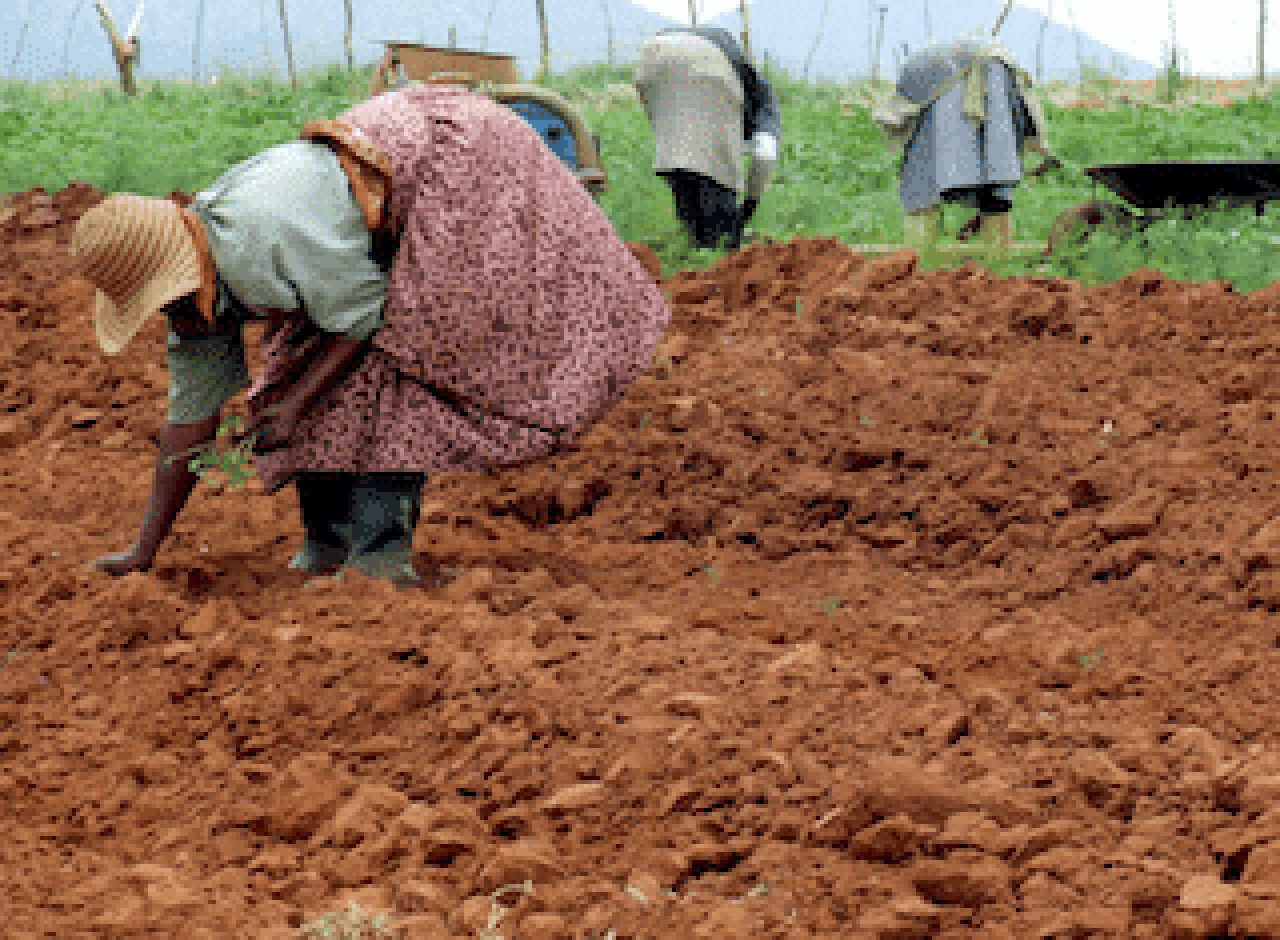
A five-year, multi-pronged programme which brings together government, academia and the private sector’s financial expertise has been launched in the Free State. The programme aims to enhance the delivery of crucial skills to black farmers involved in the production of crops and livestock. The programme, believed to be the first of its type to be introduced in the country is funded by Standard Bank, supported by the faculties of Agriculture and Entrepreneur Development at the University of the Free State and is focused on farmers identified and supported by the Free State’s Department of Agriculture and Rural Development.
In a unique approach to transformation and development, commercial farmers involved in primary and secondary agricultural who receive grants from the Department of Agriculture are being given the opportunity to hone their skills both on and off their farms, says Nico Groenewald, Head of Agribusiness at Standard Bank. “The objective of the programme is to ensure that farmers receiving financial assistance become sustainable to the point where they can source funding for growing their operations from the traditional banking sector”.
“The University of the Free State has designed several modules that address current weaknesses that are obstructing the farmers’ ability to become viable commercial enterprises. The Agribusiness Transformation Programme is aimed at impacting on 60 farmers engaged in primary agriculture and 15 in secondary agriculture - an activity that includes processing outputs from contracted farmers, small-scale milling, the operation of feedlots and similar activities” adds Diale Mokgojwa, Senior Manager for Enterprise Development at Standard Bank
“The project is seen as a launchpad to increased involvement in agriculture around the country. The intention is to fill agriculture’s ‘missing middle’ and enable small-scale farmers to become viable commercial enterprises that have the potential for further growth. Presently, there is a dearth of these medium-sized operations in South African agriculture”, Diale concludes.
The factor making the programme more relevant is that the fact that participants in Free State farming activities are ageing, the numbers of people entering the sector is declining, and that food security relies primarily on production from large commercial farming operations. “The development of this sector and creation of medium-sized enterprises is, therefore, vital to the future of food production in South Africa,” says Groenewald.
Once its success in the Free State has been gauged, it is intended that the programme will be introduced in other provinces. Provinces earmarked are the Northern Cape and Eastern Cape. To date, 25 framers have undergone a selection process supervised by the university. As the programme progresses, they will be offered skills training and the practical support on their farm - a process that will allow what they have learned to be applied and tested in a ‘live’ situation. Specially selected mentors will work with farmers to identify and close the operational gaps existing in their day-to-day activities. These could vary from financial and administrative skills through to crop and livestock production.
“The programme is unique in that it provides ‘end-to-end’ support. The farmer, instead of being given some training and then being left to his own devices, can farm secure in the knowledge that advice is always at hand. He can access the experience required to boost his skills to the points where he becomes a confident, independent operator,” says Groenewald.

More from
People, community and tourism
Hoe om herlewingslandbou te laat leef
'n Twee-dag sessie deur WIETA and Stronger Together South Africa op etiese leierskap vir kelders, plase en handelsmerke by Lourensford en Du Kloof Lodge het insigte oor herlewingsboerdery opgelewer.
Results of the Niche Varieties Challenge 2026
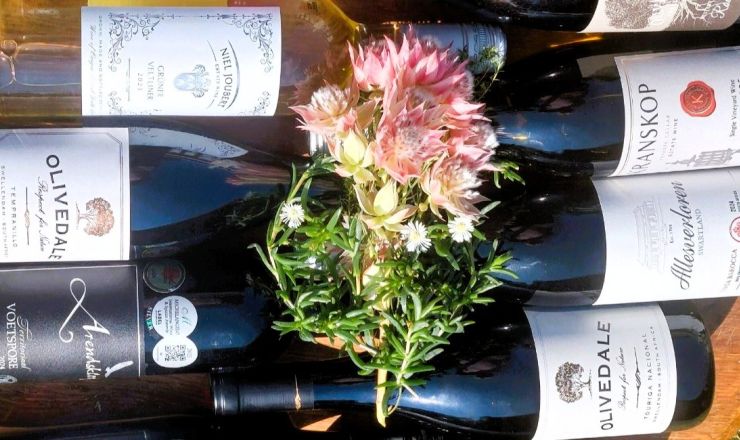
The Niche Varieties Challenge took place again in 2026 to give innovative niche wines a more visible platform and to highlight the diversity developing beyond South Africa's mainstream cultivars.
Are wine clubs in South Africa still relevant?
A bottle of wine is rarely just about what is in the glass. Sometimes it is about the people around the table, which may explain why wine clubs have managed to stick around. The Blaauwklippen Blending Competition offers a glimpse into why this old-school tradition still has a place in a changing…