
Step into the story
At Dunstone Country Estate, wine is no longer something you merely taste. It’s something you feel.

· 6 min read
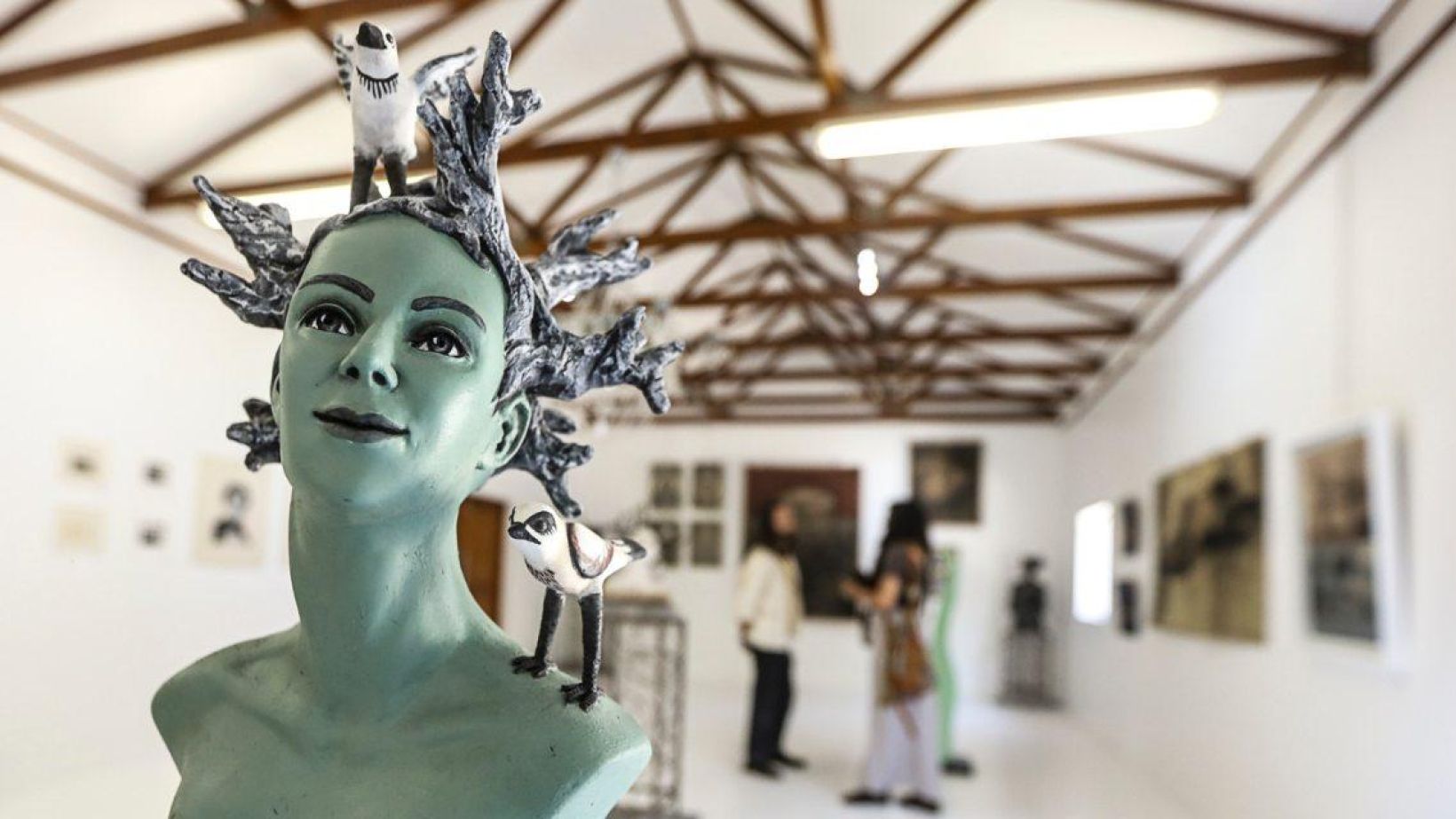
When you walk into Roots Bistro at Dunstone Country Estate, you can’t help but pause to take in the colourful scene. Sunlight reflects off a bronze sculpture, and paintbrush strokes shimmer in the glass of a framed artwork. The soothing strains of jazz mingle with the aromatic aromas of baked pear and cinnamon. A long wooden table stands in what was once a play area for kids, but is now a gallery alive with colour and the low hum of conversation.
When Dirk Vaeye, the French-Flemish owner of Dunstone Country Estate, bought this piece of land near Wellington, his first thought was of vines, barrels and the honest rhythm of farm life. He couldn’t have foreseen the creative journey that would follow or how, years later, his new home would evolve into a full-bodied expression of art, design and human connection. “This new chapter of Dunstone is an evolution,” his partner, Maudie Marie Smit Wehmeyer, says. “It’s also a story of passion, partnership and purpose.”
Dunstone’s latest venture is A.R.T WINE, a concept that fuses art, sustainability and nature into a series of luxury-infused lifestyle events. The initiative represents a fresh direction for the Wellington cellar and a new template for South African experiential wine tourism. Guests don’t just visit Dunstone, they enter its narrative.
For Dirk, the shift grew from curiosity and his friendship with Dirk Deyers of Art@Africa. “I’ve known Dirk, a fellow Belgian, for years,” he says. “On a visit to Cape Town, we began imagining an experience that connected our worlds of wine, sustainability and artistic collaboration. That’s how the Kunye Project was born. Kunye means togetherness in isiXhosa and the artworks it inspired, many crafted from recycled and organic materials, embody that idea. They’re as tactile as the soil itself, each piece rooted in community, ecology and shared creativity.”
The transformation at Dunstone feels organic, not manufactured. “Our story has always been about authenticity, family and a deep respect for nature,” Maudie says. “Integrating art into the Dunstone experience happened naturally, much like the evolution of the farm itself.”
At Roots Bistro, art has literally taken a seat at the table. The restaurant now doubles as a gallery, where guests are surrounded by sculptures and paintings. “Having a long table in the gallery changes the entire experience,” Maudie says. “It becomes dining immersed in art, culture and luxury.”
The idea sprang from the women who inspired Roots in the first place, farm mothers and grandmothers whose kitchens were home to acts of creativity long before the word “culinary” became fashionable. The food echoes that lineage: it’s seasonal, slow and honest.
“Both Dirk and I come from farming families,” Maudie says. “The pairing menu is our story told through ingredients and slow food with soul.” Around the farm, their creative energy spills outward. Dunstone’s A.R.T WINE Exhibition showcases artists who mirror Dirk and Maudie’s values of emotion, craftsmanship and respect for nature. It includes the feminine energy of Nanette Ranger, the environmental conscience of Anthea Delmotte, the sculptural grace of Charles Goddard, the vibrant playfulness of Burger the Artist and the rising talent of Yolisa Ngwexana, who performed at The RAW Reveal launch of the Dunstone Art Walk.
Music completes the canvas. Local acts such as Loren Erasmus and Radio KC add rhythm and soul, while Dunstone’s collaboration with the Frank Pietersen Music Centre provides young Wellington musicians with a stage at luxury events. “It’s about community,” Dirk says. “We want local talent to share in the spotlight.”
Fashion has also found a foothold on the farm. The partnership with Easy Tyger Fashion brought wearable art to life, proving that elegance need not be extravagant. Dirk, who usually sports a tailored suit teamed with his signature Panama hat, laughs at the suggestion that he’s become a style icon. “Fashion, like art, is self-expression,” he says. “Authenticity is the new luxury.”
For all its creativity, Dunstone remains firmly grounded in Wellington soil. Every experience, every plate, note and brushstroke, flows back to the land. “Wellington is our home,” Maudie says. “Supporting local wines, artisans and producers is at the heart of everything we do.”
As chairman of Go Wellington, Dirk is revitalising the collaborative legacy left by David Sonnenberg, the former owner of Diemersfontein, by building a sustainable tourism network that uplifts small businesses across the Bovlei Valley. “When visitors come here, we want them to feel part of a community, not just a destination,” he says. “Wine connects people. It’s our common language.”
This philosophy is mirrored in Dunstone’s growing calendar of events. For example, The Roots Vintage & Wine Market, held last November, celebrated Maudie’s love for vintage jewellery, antiques and organic pastries. The weekend opened with an invitation-only media preview, followed by a public market day where visitors could pre-book picnic baskets and concluded with a relaxed braai at the Marie J Beach Bar in the guava orchard.
In December, Jazz in the Winelands transformed the farm into an open-air stage for female jazz artists and the Frank Petersen ensemble. Paired with a five-course menu at Roots Bistro, the evening was the quintessential Cape Winelands blend of soul, style and starlight.
Beyond the music and markets, the farm’s Marie J Cap Classique continues to sparkle, literally and figuratively. “It’s a tribute to my mom and the generations of women who came before us,” Maudie says. “Marie J is heritage in a bottle, and full of love, resilience and celebration. There’s always a reason to sparkle.”
This year, the Dunstone calendar is packed with art-inspired retreats, wellness collaborations and community-driven initiatives. “We’re creating a sanctuary of creativity, connection and conscious luxury,” Maudie says. “Experiential wine tourism is not about doing more, it’s about feeling more.”
Dirk nods in agreement. “For us, success isn’t measured in visitor numbers but in emotional resonance. If someone leaves Dunstone inspired and moved to think differently about art, wine or themselves, then we’ve achieved what we set out to do.”
Dunstone’s evolution mirrors a broader shift across the Cape Winelands, where wine farms are reimagining hospitality as an art form. What sets Dunstone apart is its balance: luxury without pretence, innovation without sacrificing authenticity. It’s a model where sustainability, community and creativity coexist naturally, much like the vines that flourish outside the bistro window.
As dusk settles, the farm hums with quiet purpose. Guests linger under the fairy lights in the courtyard, their glasses catching the last glow of day. The scent of lavender drifts across from the garden. Somewhere inside, there’s the sound of laughter. “We’re not just serving wine, we’re serving connection,” Maudie says. And in Wellington, that connection tastes like home.
To explore more articles in our January issue, Future Now, purchase our digital or print magazine here.

More from
People, community and tourism
Hoe om herlewingslandbou te laat leef
'n Twee-dag sessie deur WIETA and Stronger Together South Africa op etiese leierskap vir kelders, plase en handelsmerke by Lourensford en Du Kloof Lodge het insigte oor herlewingsboerdery opgelewer.
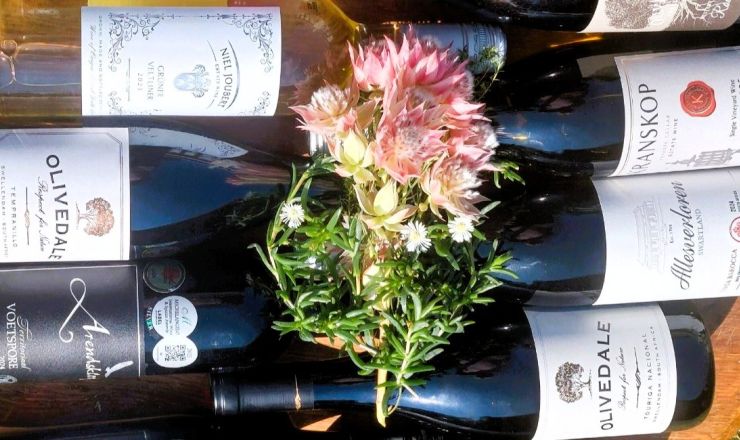
Results of the Niche Varieties Challenge 2026
The Niche Varieties Challenge took place again in 2026 to give innovative niche wines a more visible platform and to highlight the diversity developing beyond South Africa's mainstream cultivars.
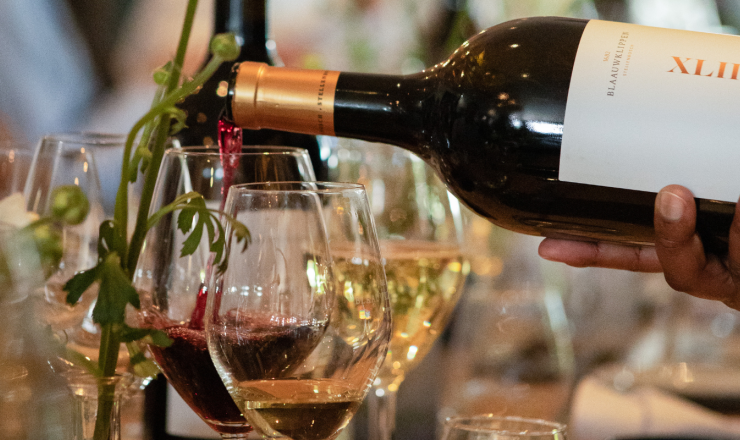
Are wine clubs in South Africa still relevant?
A bottle of wine is rarely just about what is in the glass. Sometimes it is about the people around the table, which may explain why wine clubs have managed to stick around. The Blaauwklippen Blending Competition offers a glimpse into why this old-school tradition still has a place in a changing…