
The better half

· 3 min read
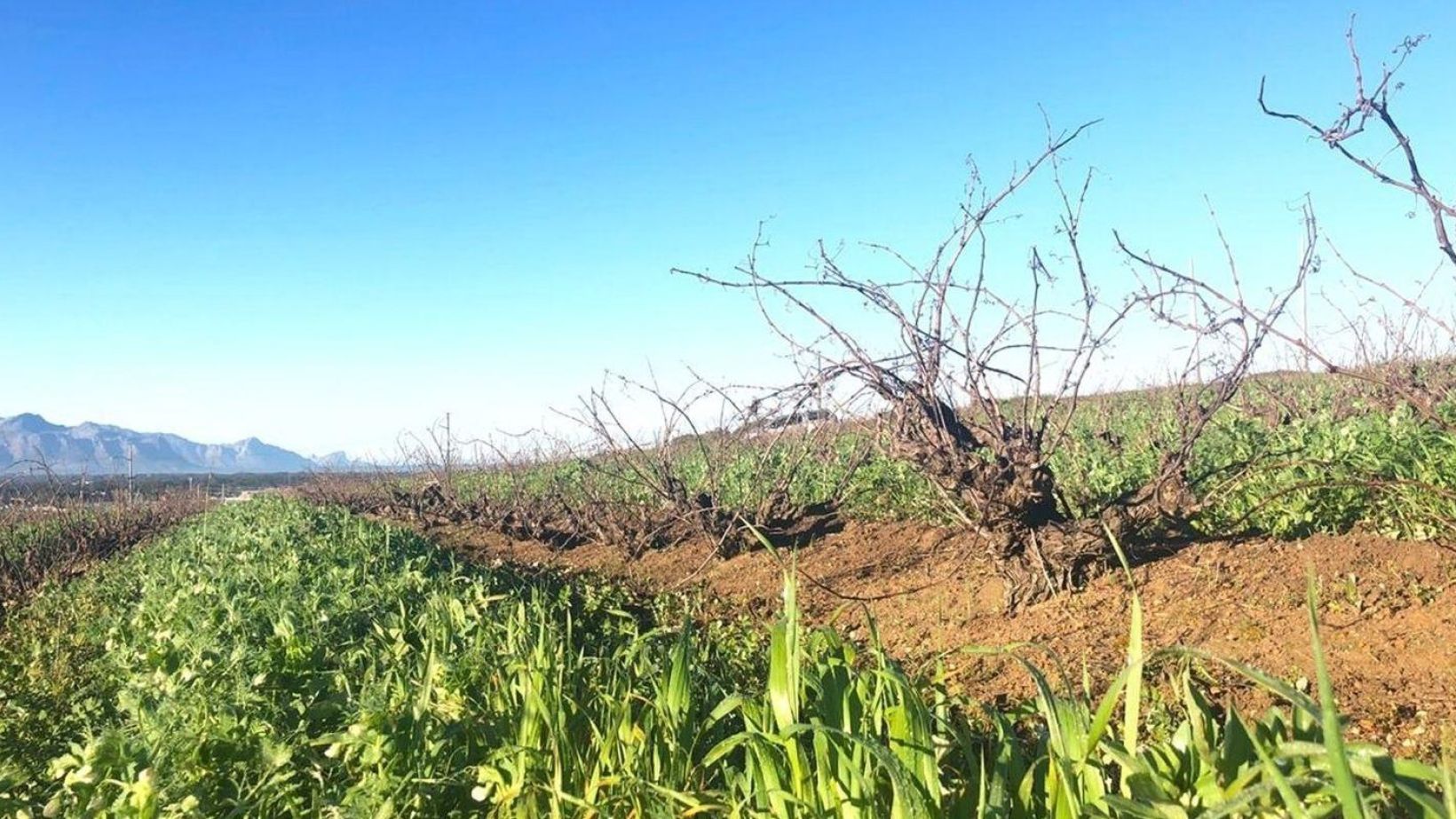
Jeanine Craven leads vineyard work at Craven Wines, monitoring fruit and picking dates, while running the business and raising two children as Mick manages the cellar. Her experience in South Africa, Italy and California shaped a gentle, terroir-conscious approach to the partnership’s single-vineyard, single-variety Stellenbosch wines. She relishes Pinot Gris’s early arrival and Turkish-delight aromas, and would now choose Grenache Blanc.
Summary written by AI from this article. The full article is under “Deep dive”.
Listen to this article· 4 min
Passage 1 of 4
Read aloud by an AI voice. The words are the article’s own, nothing is summarised or translated.
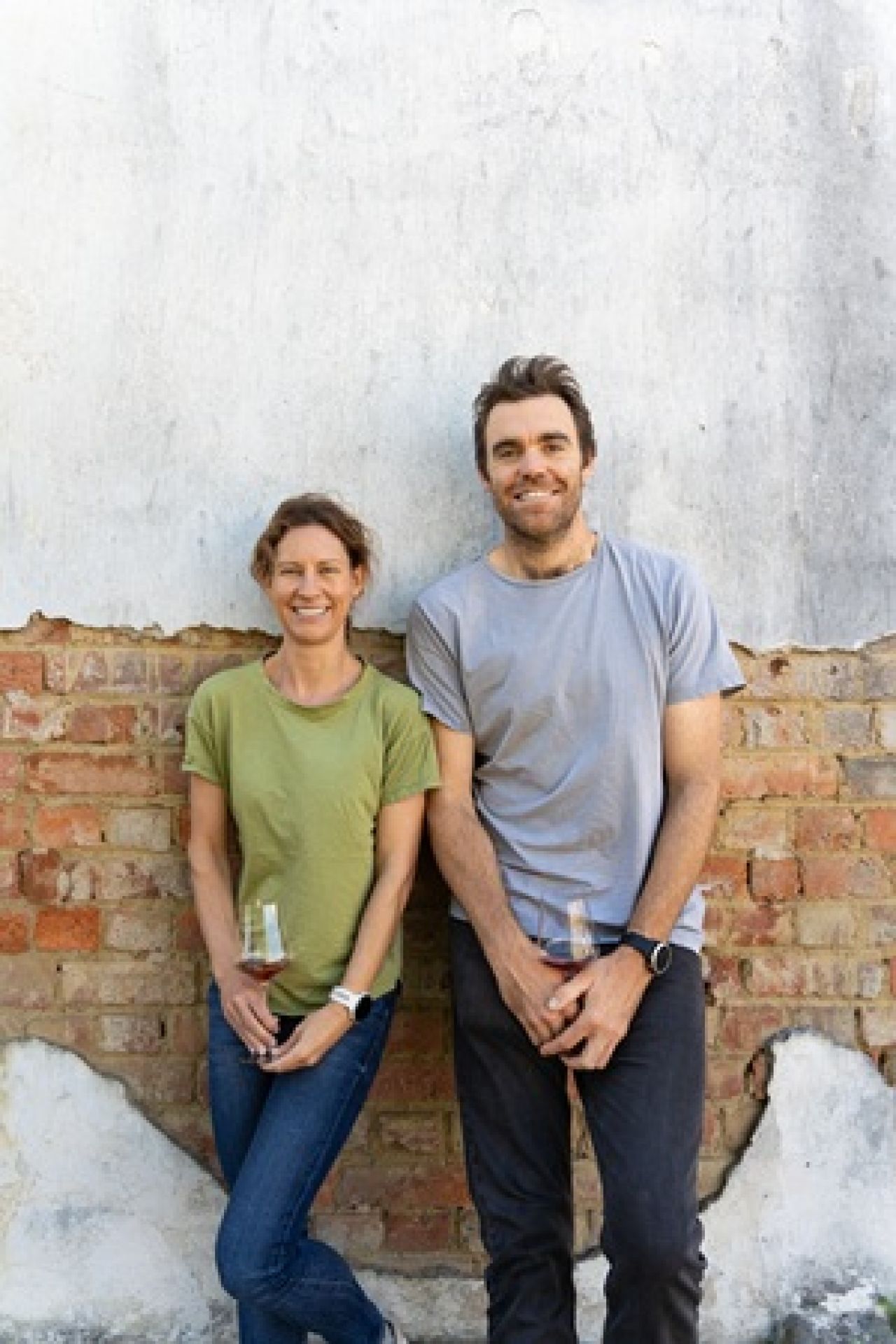
Jeanine Craven is the other half of the Craven Wines partnership – the better half, if her husband, Mick, is to be believed.
Within their joint venture, Jeanine is responsible for most of the viticultural work, spending her days in the vineyards to personally monitor fruit quality and determine precise picking dates. While Mick takes care of the cellar, Jeanine runs the business while helping raise their two children.
Her deep roots in the region and her technical expertise are central to the brand’s focus on single-vineyard, single-variety expressions of Stellenbosch terroir.
What led up to the harvest in California, where you met Mick?
I studied BSc Viticulture and Oenology at Stellenbosch University, completing a harvest at Meerlust during my studies, followed by Zorgvliet & Raats Family Wines. I then worked in the Chianti Classico region of Italy before making my way to California, where I met the Australian DREAMBOAT (haha) by chance… We were at the same induction seminar at the Flamingo Hotel.
How have your past experiences influenced your approach to Craven Wines?
Working in other countries showed me that wines can have their own unique regional identity and showcase the terroir on which they are grown, if handled with a gentle approach that respects the fruit, climate, and terroir – not picking grapes too ripe and not following recipe-winemaking with lots of additives to change the identity.
What is the appeal of single-vineyard, single-variety wines for you?
I think there is something very special about wines that have a sense of place and tell a story of a vintage.
What makes your Stellenbosch location special in this regard?
There are so many beautiful sites in Stellenbosch, and so much variety because of the influence of the sea, mountains and range of soil types.
It is also where I grew up and where my family farmed for many generations.
What are some of the pleasures (and pains) of working with Pinot Gris?
The greatest pleasure is that it is one of the first grapes in our winery (it used to always be first, but now sometimes we get a little Pinot Noir in before it). There is always a high level of excitement when it arrives! When it is fermenting, the cellar is filled with gorgeous aromas of Turkish delight. And the vineyard is an absolute joy to be in; the colour of the grape varies during different vintages.
The pain? Not everyone agrees that we should “be allowed” to make this skin contact wine. We have had some serious battles in the past with the Wine and Spirit Board to get it approved. There was one year in particular when I thought it was going to be a no-go. We had to get letters from importers and journalists to support our case. It would have been detrimental to our family business had it not been overturned.
Since the cellar has gradually transitioned to concrete, have you made any corresponding changes in the vineyard?
No, not really. We work with amazing growers and have been working together to improve the soil health for years now. The concrete has just fine-tuned how we make the wines.
If you could add any variety to your line-up, what would it be?
If you’d asked me a few years ago, it was Grenache Noir (which we now have in our line-up). Now I would say Grenache Blanc.

More from
People, community and tourism
The many lives of Pinotage
From the glass to the spa, South Africa’s signature grape is turning up in places few people would expect.
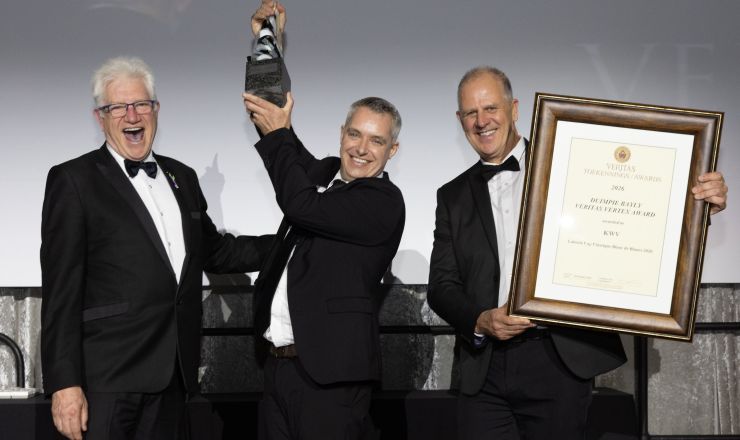
KWV laat die vonkelwyn praat
Drie jaar agtereenvolgens die hoogste eer, 12 dubbelgoue medaljes en ’n aand waarop Suid-Afrikaanse wyn behoorlik kon feesvier.

Meet the researcher: Bryan Kariuki Mundia
Wine fermentation is a complex microbial process, with different yeast species interacting with one another throughout fermentation. But what happens when one species is removed from the community?