
The people behind the wines
People rarely remember every wine they ever tasted, but they vividly recall the conversation with the winemaker – the story behind a beloved family brand, the enthusiasm as they describe their soils and vineyards, or the sadness as they recount past losses. The South African Wine Train encourages…

· 5 min read
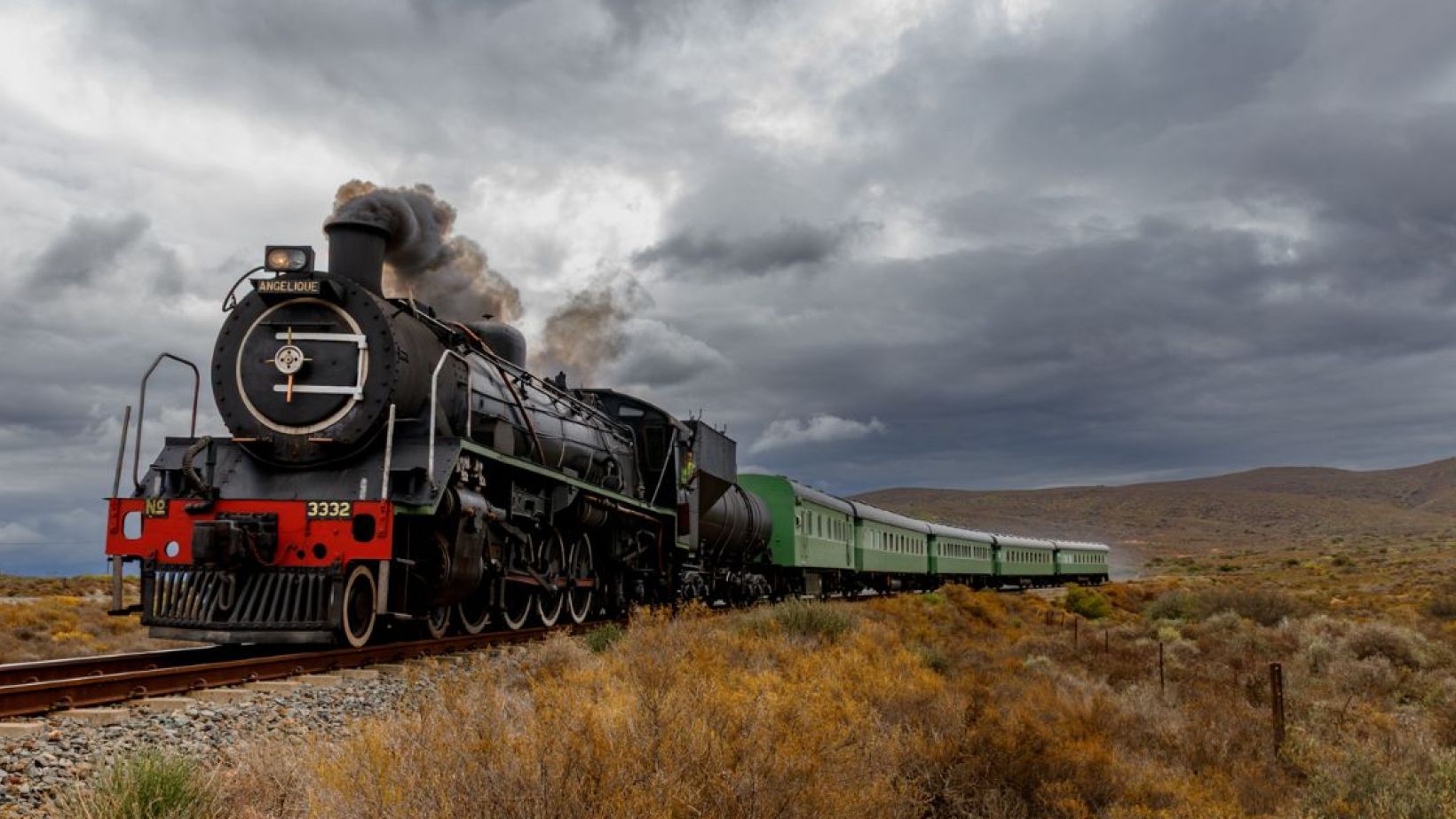
South Africa’s Wine Train, operated by New Cape Central Railway (NCCR), is built around memorable moments. It’s not just an experience for the public to enjoy; the winemakers benefit as well. “To me, the train represents more than just a scenic route,” says Ben Snyman, head winemaker for Rhino Run, a conservation-driven wine brand that was created to raise awareness and funds for rhino protection. “It is a unique way to connect people with our wines together with our stories.”
Prieur du Plessis, senior winemaker at McGregor Winery echoes the sentiment. “Wine is about stories, landscapes and people, not just what’s in the glass,” he says.
More than winemakers
Winemakers are farmers, scientists, entrepreneurs, storytellers, and caretakers of family legacies. Every bottle of wine they make reflects years of experience, difficult decisions, and a deep connection to the land.
“A winemaker wears many hats,” Prieur says. “On any given day, I’m part farmer, part scientist, part problem solver and part manager.” As winemaker at Landskroon in Paarl, Fanie Geyser also serves as property manager, viticulturist, marketer, logistics coordinator, and planner.
Every winemaker has a personal story that drives them, and a support network to help cope with the demands of the job.
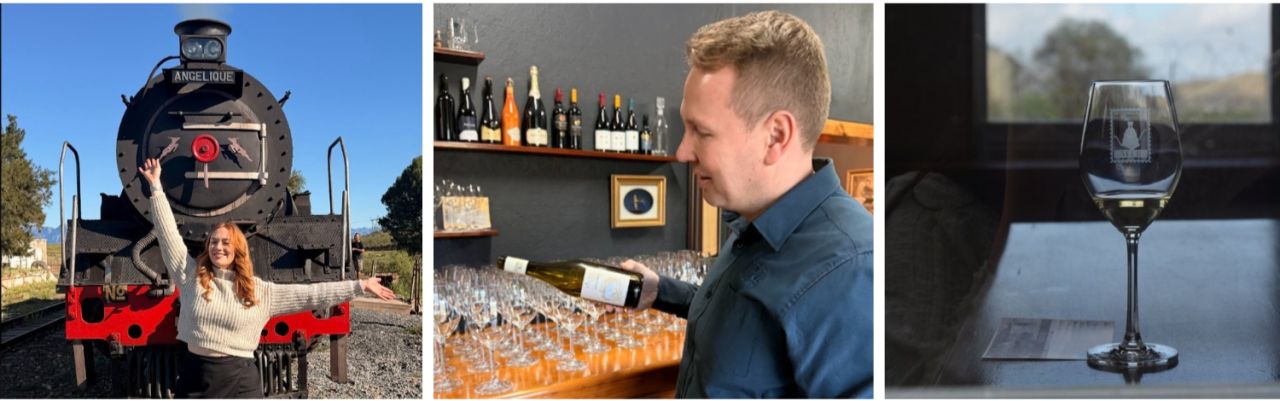
Shaped by community
Winemaking may be the art of seamlessly blending nature and culture into a glass of fine wine, but it’s impossible to separate this function from the surrounding community.
Nowhere is this more true than the Robertson Wine Valley. The region thrives on a distinctive blend of commercial producers, family-owned wineries and next-gen brands. It’s a combination that keeps the region vibrant and resilient. “The established wineries bring history, knowledge and tradition, while newer brands introduce fresh ideas and innovation,” Prieur observes.
This community spirit was on full display when Robertson was devastated by floods last year. Farmers and wineries shared equipment, cleared roads, and stepped in to protect neighbours’ belongings. Other relief efforts included organising auctions to raise money for those who suffered losses and providing housing for displaced families. “The flood reminded us how strong and resilient our community is,” Ben says. “Competitors became partners. All came together to help, rebuild and recover.”
A shared passion
Winemakers are also husbands, fathers, brothers, sons, and friends. Every winemaker brings a different philosophy and a different journey into wine. Some are self-taught “autodidacts” who left professional careers to pursue their dream, while others are long-time students of wine driven by the intriguing combination of science and agriculture.
They always have to maintain the fine balance between man and nature, between luxury and necessity, and between action and inaction. According to Ben, great winemaking doesn’t pursue change for the sake of change. “It’s about listening, learning, and paying attention to every detail, making thoughtful decisions and ultimately producing wine that people enjoy and remember,” he says.
It’s about producing wines that reflect a sense of place that’s not only physical but often also deeply personal and emotional. Visitors on board South Africa’s Wine Train will hear stories from winemakers in and around Robertson, as well as from brands represented outside the valley. The line-up will soon include other regions, such as Rawsonville, Franschhoek, Stellenbosch and Swartland.
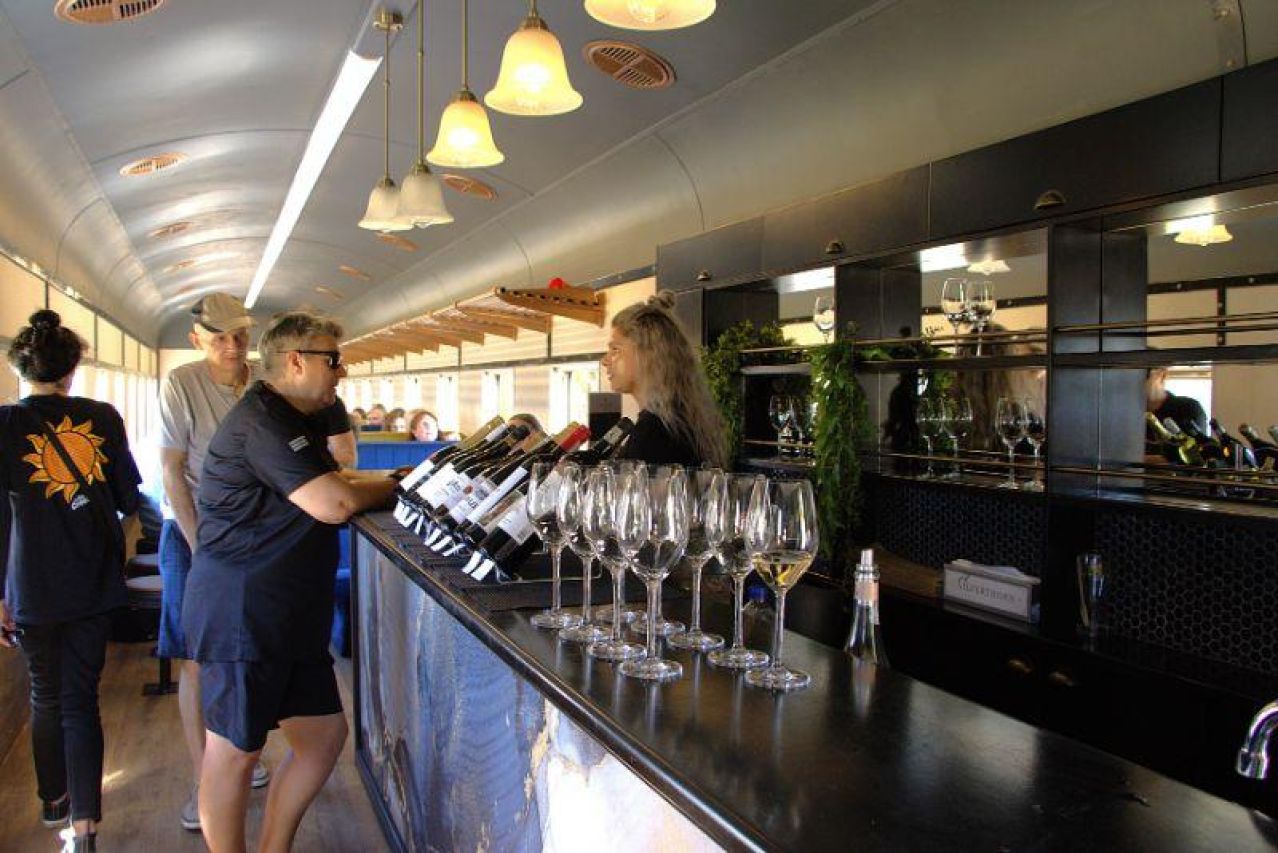
Conversations matter
The most memorable wine experiences rarely happen during the tasting itself; they happen in conversation. These personal encounters transform wine from a mere product into a personal experience.
At Tanagra, for instance, tastings are never a standardised procedure, but rather a personal encounter. Hearing why someone became a winemaker – whether inspired by carefree days in the mountains or a dilapidated vineyard that needed their attention –provides a context that a tasting note cannot capture.
Like the story of Tertius de Villiers, an accountant who transformed a neglected Chardonnay vineyard into the boutique wine brand, Prévoir. “What began as an abandoned vineyard soon became the place where the dream to become a winemaker came to life. Seeing the name on that first vintage was a moment of immense pride and the beginning of a new chapter,” he recalls. “It was a reminder that you should never give up on a dream and in life, because with perseverance, faith, and determination, even the most unlikely visions can become reality.”
These conversations allow visitors to connect the wine with the story, passion, and character behind it – and the Wine Train offers a way to string these stories together as part of a journey that continues long after its passengers have disembarked.
The journey continues
At the heart of every bottle is a person. And at the heart of the Wine Train journey is a group of winemakers who have dedicated their lives to telling their stories through wine.
This means visitors won’t simply discover new wines; they’ll discover the histories, personalities, and sense of achievement that have helped establish all of South Africa’s wine regions – the Robertson Valley among them.
And hopefully, they will leave with a deeper appreciation for the people, the climate and the passion that drives this industry as surely as steam drives a train engine. As Tertius puts it, “while great grapes make great wine, it’s the stories behind them that truly capture people’s hearts”.

More from
People, community and tourism
From vineyard to spa: Why Pinotage is more than just a wine grape
In our print feature, Heavenly Scent, we explored the spa experience at Healing Earth Wellness at Laborie Estate. But that experience starts long before you step into the treatment room. It starts in the vineyard. So why Pinotage? What is it about this proudly South African grape that has earned a…
Vyf vrae met Hendrien de Munck
Wynmaak lyk van buite na ’n romantiese beroep, maar agter elke bottel skuil ure se harde werk, besluite en toewyding. Hendrien de Munck, wynmaker van Maia Wines, deel haar perspektief op die realiteit van wynmaak, kreatiwiteit in die kelder en waarom sy glo daar is nog groot potensiaal vir…
Five questions with Liandra Kotzé
“Consumers haven’t stopped loving wine. They’ve changed how they choose it.” Wine marketers spend a great deal of time asking how to sell more wine. According to Vinimark Brand Portfolio Director Liandra Kotzé, the better question is whether we’re listening closely enough to the people we’re…