
The podium is only half the story
Tim Atkin MW’s 2026 South Africa Special Report recognises some of the country’s leading winemakers, growers and producers. But beyond the podium sits a bigger story about place, the 2025 vintage and the economics of sustaining South Africa’s quality gains.

· 5 min read
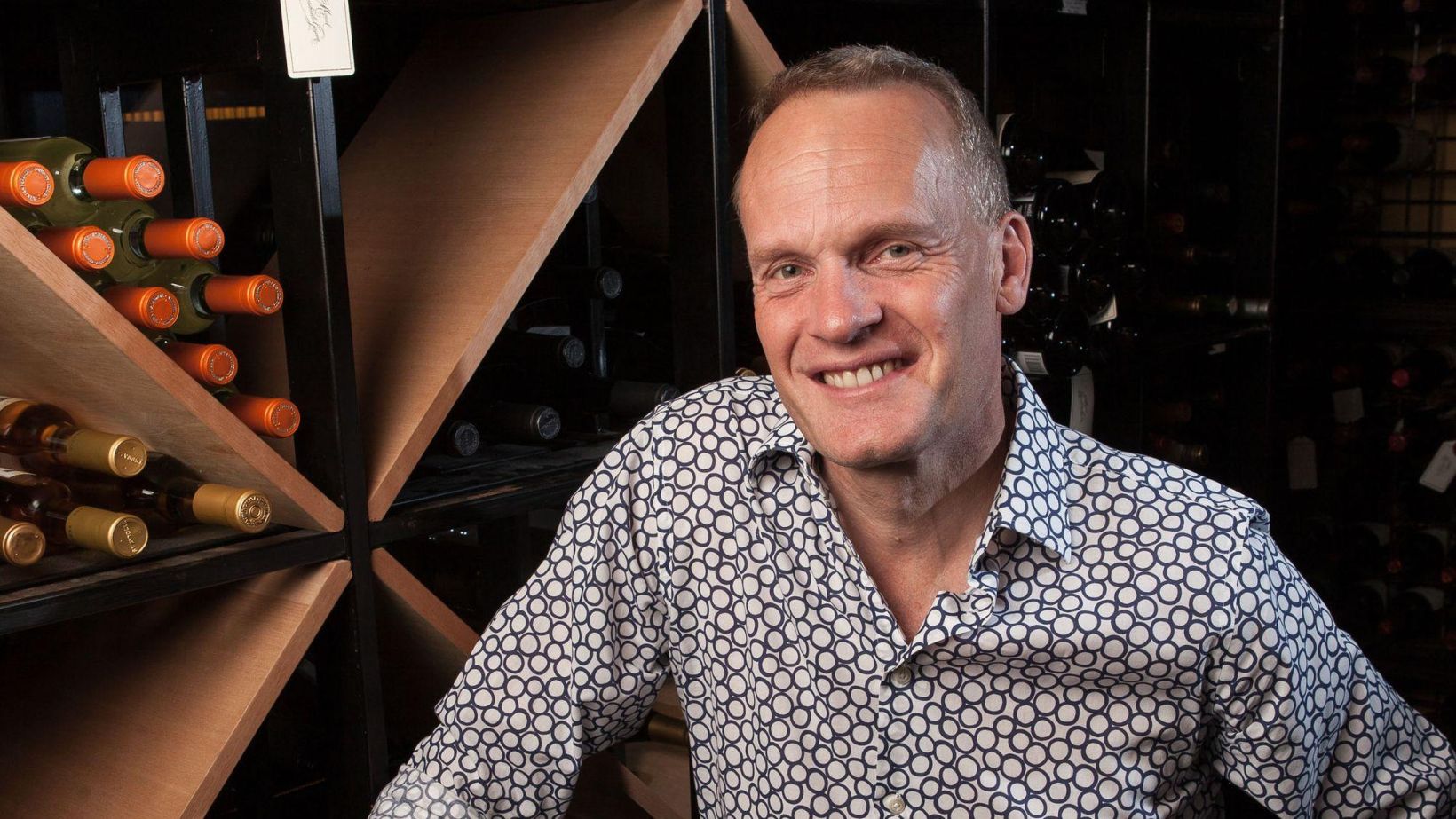
When Tim Atkin MW’s South Africa Special Report lands, most of us know where to look first. The scores, the Wines of the Year and of course, the podium. And there is nothing wrong with that. Tim has followed South African wine since 1990, and this is the 14th edition of his dedicated report.
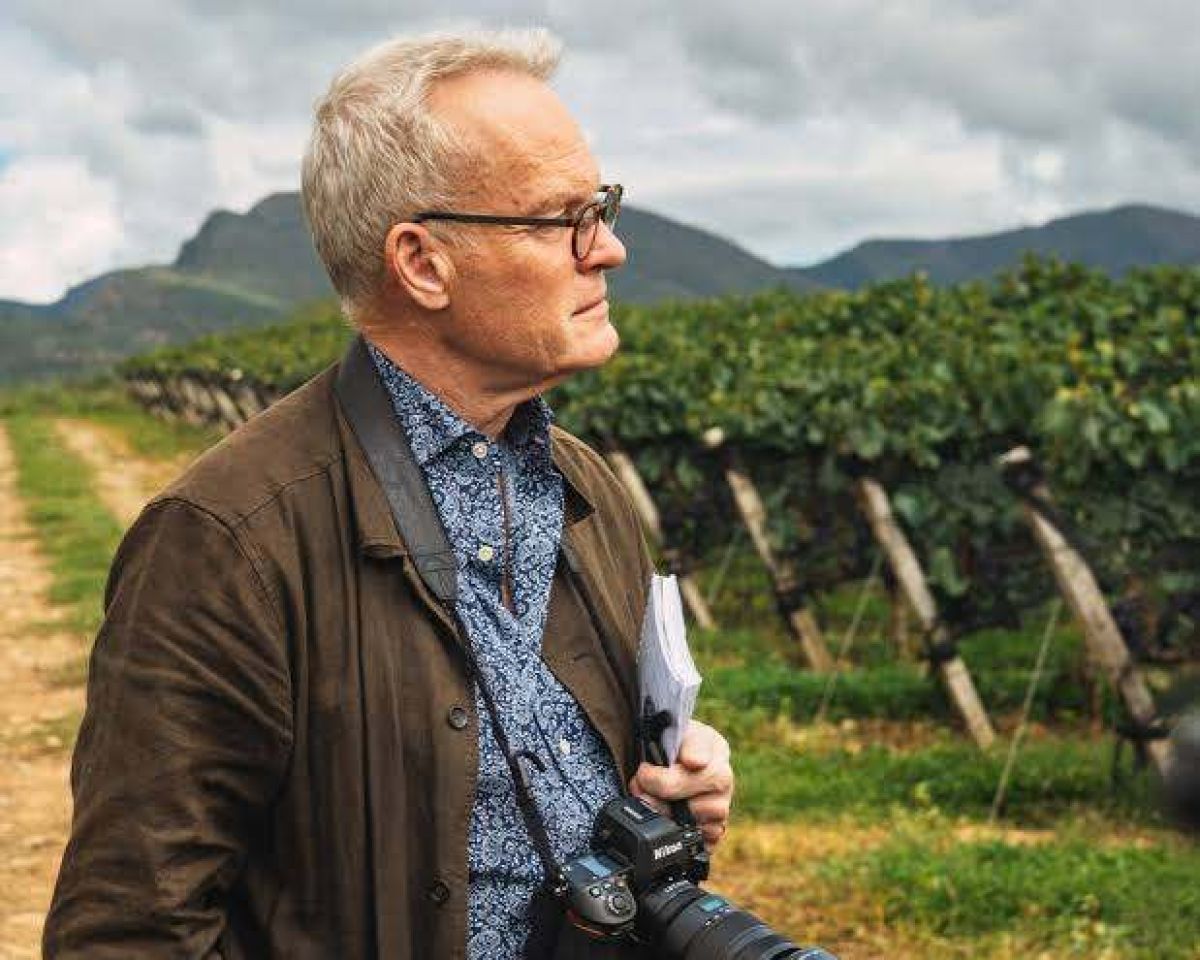
The 2026 results, however, are a bigger story that is increasingly about where quality comes from: the vineyard, the grower, the soil, the site and the decisions made before the grapes reach the cellar.
Who made the 2026 podium?
- Winemaking Legend of the Year: Pieter Ferreira
- Winemaker of the Year: Hannes Storm, Storm Wines
- Young Winemaker of the Year: Jolandie Fouché, Wolf & Woman Wines
- Rising Star of the Year: Stefan Johannes, Zwartwater
- Growers of the Year: Chris Steyn and Cató Rabie, Eendrag Farm
- Winery of the Year: Lismore Estate Vineyards
- Producer Cellar of the Year: Daschbosch
- Wine Tourism Award: Boschendal
This is a telling mix: experience, a new generation, tourism, a producer cellar and, importantly, growers alongside winemakers.
Tim spends considerable time in this year’s report moving the conversation back into the vineyard. His point is simple: access to superior grapes ultimately determines a wine brand’s potential. Great wine does not begin at the cellar door. Place is getting more precise, and Tim sees terroir increasingly defining South Africa’s best wines.
The industry is becoming more specific about soils, individual sites, altitude, aspect and which varieties belong where. Regions such as Stellenbosch and the Swartland are no longer treated as single, uniform places. The conversation is increasingly about sub-regions and the differences between vineyards only a few kilometres apart. Which is important for an industry trying to build more value around origin. The stronger we become at explaining why one place is different from another, the stronger the argument for why the wines from those places should command value.
The Wines of the Year
Atkin’s Overall Wines of the Year include:
- White: 2025 Alheit Vineyards Huilkrans Chenin Blanc, Citrusdal Mountain
- Red: 2024 Sadie Family Columella, Swartland
- Rosé: 2026 Doolhof Xclusiv Rosé, Limietberg, and 2025 Terblanche Family Vineyards Elmie Pinotage Rosé, Stellenbosch
- Sparkling: 2019 Graham Beck Cuvée Clive and 2017 Le Lude Madáme Brut Nature Millésimé
- Sweet: NV Mullineux Olerasay Straw Wine #6, Swartland
- Fortified: 1996 Boplaas Cape Vintage Reserve, Calitzdorp
One small list shows one of South Africa’s great advantages: very different wine styles from very different places.
Value and discovery
The Value Wines of the Year are:
- White: 2025 Kaapzicht Granite Ridge OVP Chenin Blanc
- Red: 2024 De Morgenzon DMZ Syrah
- Rosé: 2025 Jordan Dry Rosé
- Sparkling: 2020 KWV Laborie Blanc de Blancs
- Sweet: 2026 Van Loveren VRL Special Late Harvest Gewürztraminer
- Fortified: NV KWV Classic Collection Cape Tawny
This category is also important, because premiumisation cannot simply mean making everything expensive. A good-value bottle for the consumer still needs to create sustainable value for the people who grow, make, and sell it.
The Discovery Wines of the Year also point to the growing diversity of South Africa’s wine map, with wines from Voor Paardeberg, Piekenierskloof, Elgin, Stellenbosch and Elandskloof among those recognised.
The discoveries
Tim’s Discovery Wines of the Year are always worth watching, because they point to wines, producers and places gaining attention. This year’s selection includes Catherine Marshall Between Two Worlds 2024 from Voor Paardeberg; Electric Mud Old Bush Vines Grenache 2025 from Piekenierskloof and Iona Beeskamp Single Vineyard Pinot Noir 2024 from Elgin; Pink Valley Rosé Reserve 2025 from Stellenbosch; Domaine des Dieux Claudia Brut RD 2012 from Elgin and Krone RD 2016 from Elandskloof; and The Fledge & Co Cape White Fortified NV. It is another small but telling snapshot of just how much South Africa’s wine map continues to expand.
Then there is 2025
If one vintage dominates the report, it is 2025. For Tim, this is one of the finest Cape vintages of his lifetime. The Wines of the Year lists reinforce that view, with 2025 appearing repeatedly across Chenin Blanc, Chardonnay, Pinot Noir, Syrah and other categories.
Chenin Blanc also remains central to the South African story, but the quality narrative is becoming broader too, across varieties, regions and increasingly specific sites.
The uncomfortable part
Some of the most useful sections in the report have little to do with scores. Tim writes about soil health, regenerative farming, climate data, old vines and better site selection. He also keeps returning to economics.
The Old Vine Project now has 130 members and 350 certified heritage wines, but some old vineyards are still being removed because their yields do not make financial sense. At the same time, South Africa’s vineyard area has fallen from 102 146 ha in 2006 to 86 525 ha, while Tim links the contraction partly to drought, climate pressure and low viticultural profitability.
That leaves us with two truths. South Africa is producing remarkable wine. And producing wine profitably remains difficult for many of the people on whom that quality depends.
The real measure
In the introduction, Tim reflects on a conversation with Cató Rabie about Eendrag Farm and the responsibility of being a custodian of land that has passed through generations. He links it to a broader idea of leaving the land, its people and the business stronger than you found them – a useful lens through which to read the entire 2026 report.
We must most certainly celebrate Hannes Storm, Jolandie Fouché, Pieter Ferreira, Stefan Johannes, Chris Steyn and Cató Rabie. Celebrate Lismore, Daschbosch and Boschendal. And we must celebrate the wines too.
But the longer-term measure of progress will not only be how many South African wines appear on podiums. It will also be a question of whether the growers, vineyards, and businesses behind them can keep producing them. If place is becoming the source of South Africa’s value, keeping those places viable becomes everybody’s business.

More from
People, community and tourism
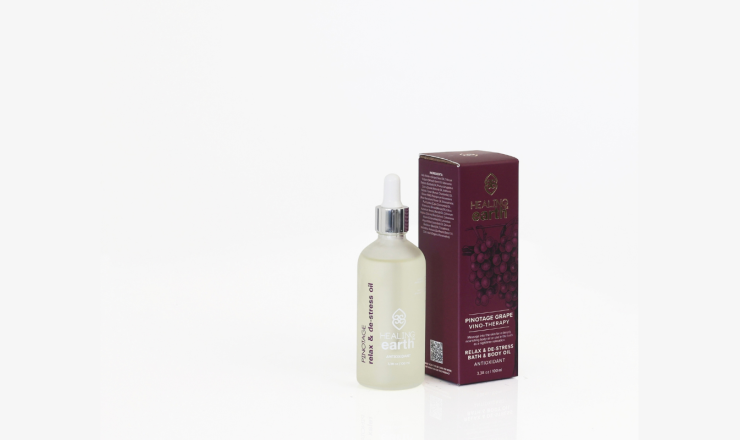
From vineyard to spa: Why Pinotage is more than just a wine grape
In our print feature, Heavenly Scent, we explored the spa experience at Healing Earth Wellness at Laborie Estate. But that experience starts long before you step into the treatment room. It starts in the vineyard. So why Pinotage? What is it about this proudly South African grape that has earned a…
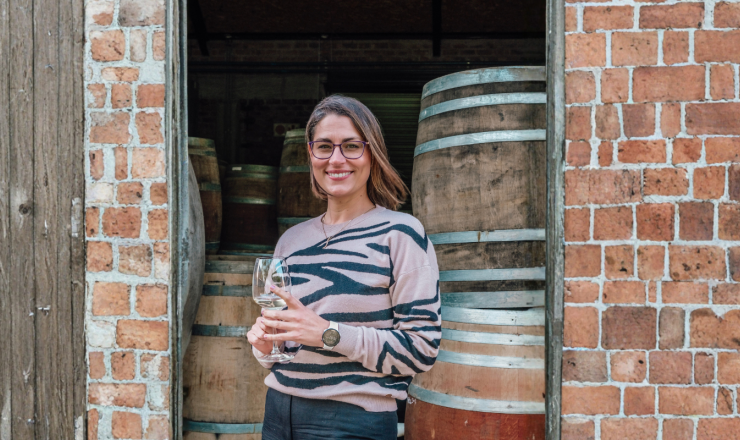
Vyf vrae met Hendrien de Munck
Wynmaak lyk van buite na ’n romantiese beroep, maar agter elke bottel skuil ure se harde werk, besluite en toewyding. Hendrien de Munck, wynmaker van Maia Wines, deel haar perspektief op die realiteit van wynmaak, kreatiwiteit in die kelder en waarom sy glo daar is nog groot potensiaal vir…
Five questions with Liandra Kotzé
“Consumers haven’t stopped loving wine. They’ve changed how they choose it.” Wine marketers spend a great deal of time asking how to sell more wine. According to Vinimark Brand Portfolio Director Liandra Kotzé, the better question is whether we’re listening closely enough to the people we’re…